


Enjoyer of Technology | Lover of Communities of Practice | Drinker of Coffee Thoughts can be found here by-people-for-people.beehiiv.com And also here threethingsaday.leaflet.pub
Enjoyer of Technology | Lover of Communities of Practice | Drinker of Coffee Thoughts can be found here by-people-for-people.beehiiv.com And also here threethingsaday.leaflet.pub

Should You Use AI for a Task? Here’s a Simple Way to Decide - Schneier on Security
This essay originally appeared in The Guardian. I teach public policy at the Harvard Kennedy School and the Munk School at the University of Toronto. And it will come as no surprise to you that my students regularly use AI to complete their writing assignments. Doing so is a waste of their tuition money. But if their entire career is going to include AI writing assistants, why shouldn’t they embrace their future? The best way I’ve found to explain the dilemma comes from the AI researcher Daniel Meissler: it’s the difference between work and the gym...
The Interview Question Bank for Engineering Managers
Organised by theme, and every question comes with a short thinking prompt

A model for nesting connected groups with communities of practice
In the new edition of my book, Building Successful Communities of Practice, I share insights into community size and interactions. I've been using this theory with clients to create nested layers that include communities of practice that serve as a model for their organisation.

AI-assisted engineers are burning out, is this fine?—Martian Chronicles, Evil Martians’ team blog
AI-assisted code generation is not free. It comes with a hidden cost: burnout. Are we dangerously ignorant to this problem? And how can we cope with it? In this post, we discuss this question.
The Engineering Leadership Report 2026
Our survey of 600 engineering leaders exploring how the role is evolving, where the challenges lie, and what the future holds for the job.

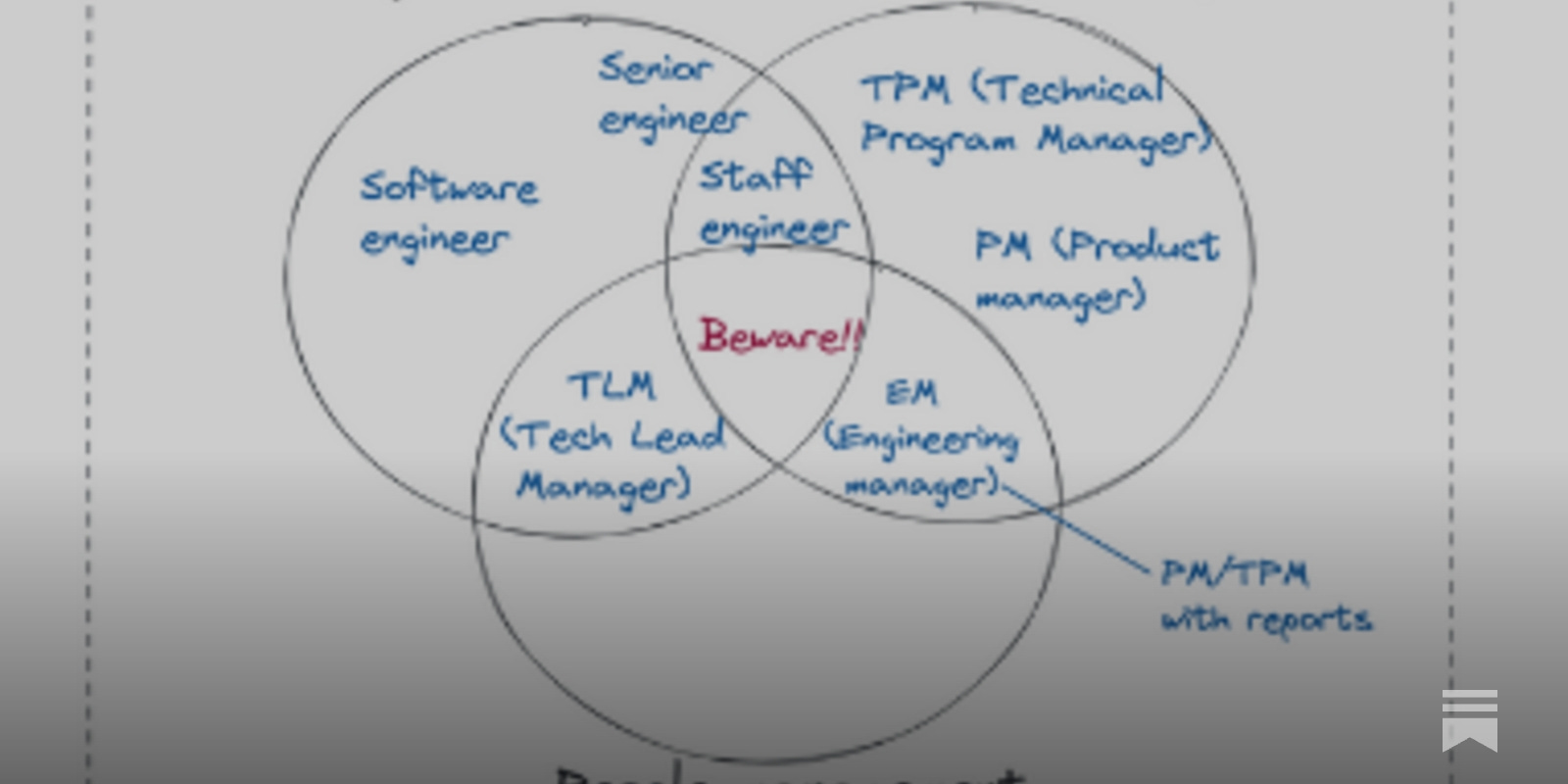
Engineering Leadership Skill Set Overlaps
How Staff Engineer, Engineering Manager (EM), Product Manager (PM), Tech Lead Manager (TLM) and Technical Program Manager (TPM) positions overlap in Big Tech and at high-growth startups – and their di
Engineering managers have a new job description
Why engineering managers are expected to be hands-on again and how AI tools are making it possible to stay technically sharp while still leading.

Why you need a "WTF Notebook"
There's a very specific reputation I want to have on a team: "Nat helps me solve my problems. Nat get things I care about done."

Communities of Practice in Long‐Term Care—Exploring Frameworks, Barriers and Enablers: A Systematic Review
ABSTRACT Objectives Communities of Practice (CoPs) offer staff an opportunity to learn with and from one another, and to explore and advance practice. This study aimed to identify the frameworks that underpin the development, operation and evaluation of CoPs, and barriers and enablers to implementing this social learning approach in long term care (LTC). Methods This systematic review comprehensively searched four databases (MEDLINE, CINAHL, PsycInfo and Embase) from inception to August 2025, identifying studies focused on supporting LTC staff implementing evidence‐based practice, best practice or quality improvement. Inclusion screening, data extraction and quality assessment using the Quality Assessment with Diverse Studies tool (QuADS) were completed independently. Findings were mapped to the Values Creation Framework. Results Fifteen papers represented eight CoP programs ranging from small, standalone groups to large national collaboratives. Frameworks or specific CoP definitions underpinned planning for seven programs. Two programs drew on stakeholder input in development; however, none described formal co‐design. Seven programs were multidisciplinary. Evaluation was qualitative ( n = 8), mixed methods ( n = 4) or quantitative ( n = 3), with limited application of evaluation frameworks. A wide range of enablers and barriers was identified, with structural and cultural challenges affecting sustained CoP engagement and implementation of CoP learning outcomes. Conclusions Despite 20 years of CoP implementation in LTC, there are few comprehensive evaluations to guide practice. Community of Practice participation delivers individual learning and peer support; however, system and organisational barriers affect sustained staff participation and translation. Consistent application of existing frameworks and enhanced CoP reporting will better support future CoP development and implementation in LTC. , Practice Impact Residential aged care organisations and their staff could benefit from the peer support and learning opportunities offered by participation in well‐facilitated and effective Communities of Practice (CoPs). Consistent application of existing planning and evaluation frameworks and enhanced CoP reporting will better support future CoP development and implementation. Policy Impact This systematic review suggests that Communities of Practice (CoPs) with residential aged care staff do deliver individual benefits; however, there are ongoing systemic challenges that influence CoPs' potential for wider impact on practice change. To realise the value of this social learning approach, we need to address these systemic barriers.

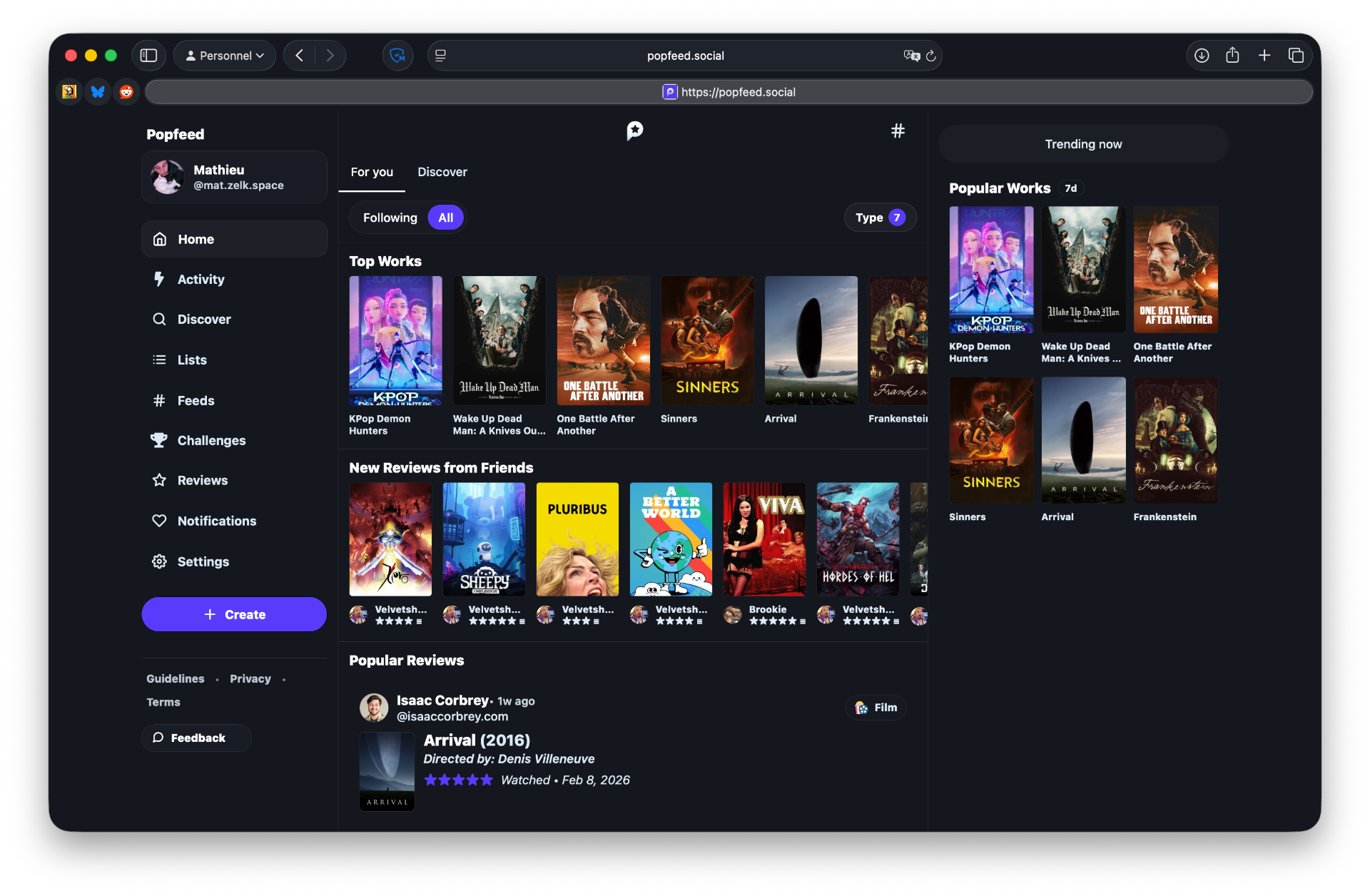
Rethinking Popfeed’s Homepage UX - matlfb.com
Popfeed.social is a new social application, similar to Letterboxd, that allows users to log movies, but also TV shows, music, and video games. Built on the ATPr...

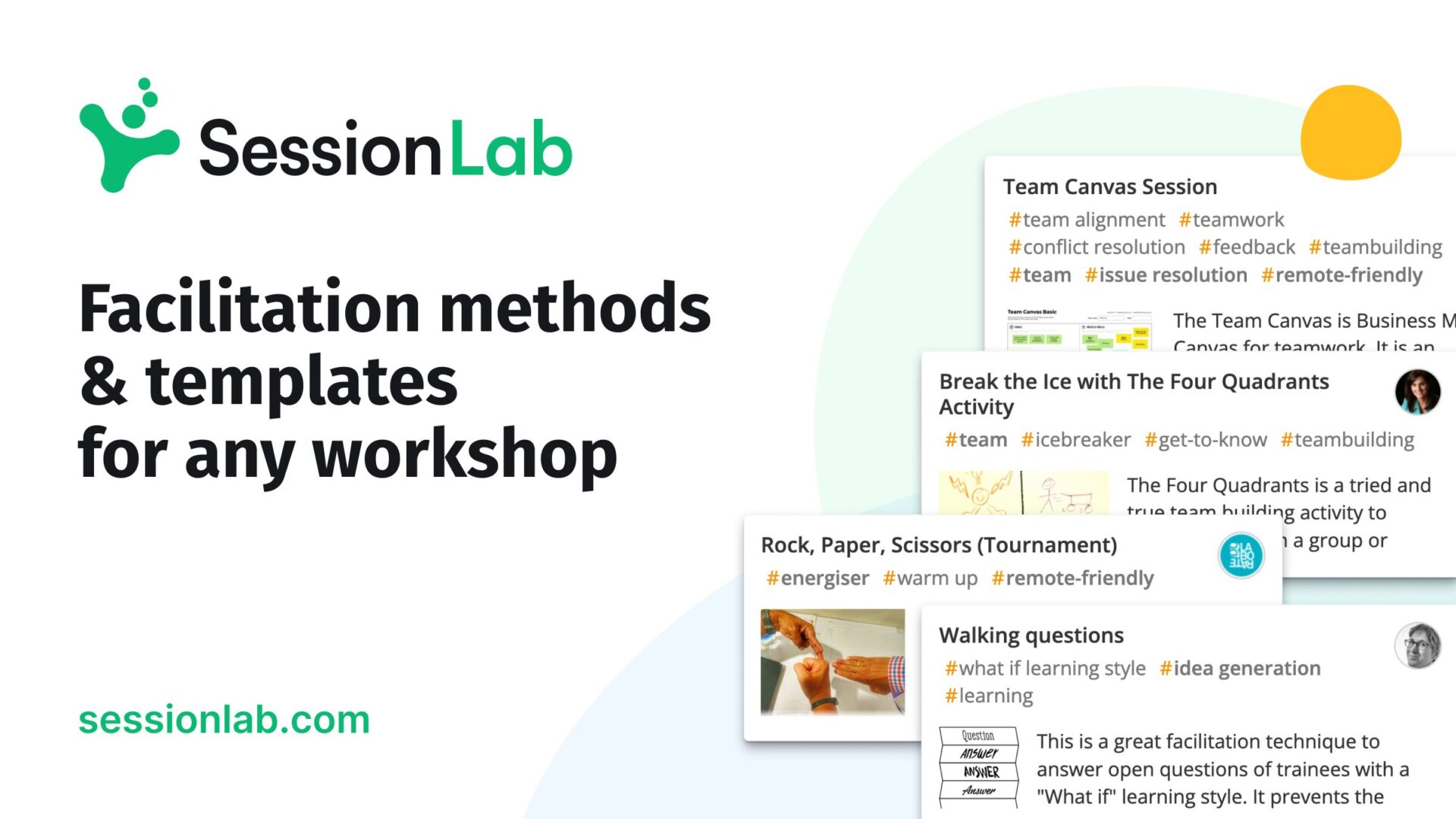
Facilitation Techniques and Workshop Activities | Library
Hundreds of group facilitation activities for workshops, meetings and training sessions. Find the best team building activities, energisers, process facilitation and leadership development...

AI/FutureOfEng

www.brethorsting.com
Domain Expertise Has Always Been the Real Moat

martinfowler.com
The Economic Benefit of Refactoring

addyosmani.com
The New Software Lifecycle
www.simplermachines.com
Why you need a "WTF Notebook"

brittany-ellich.offprint.app
108 PRs in eight days: Accidentally discovering loop engineering | Brittany Ellich | Offprint

tombedor.dev
The Arguments Against Open Source AI are Very Bad | Tom Bedor's Blog