

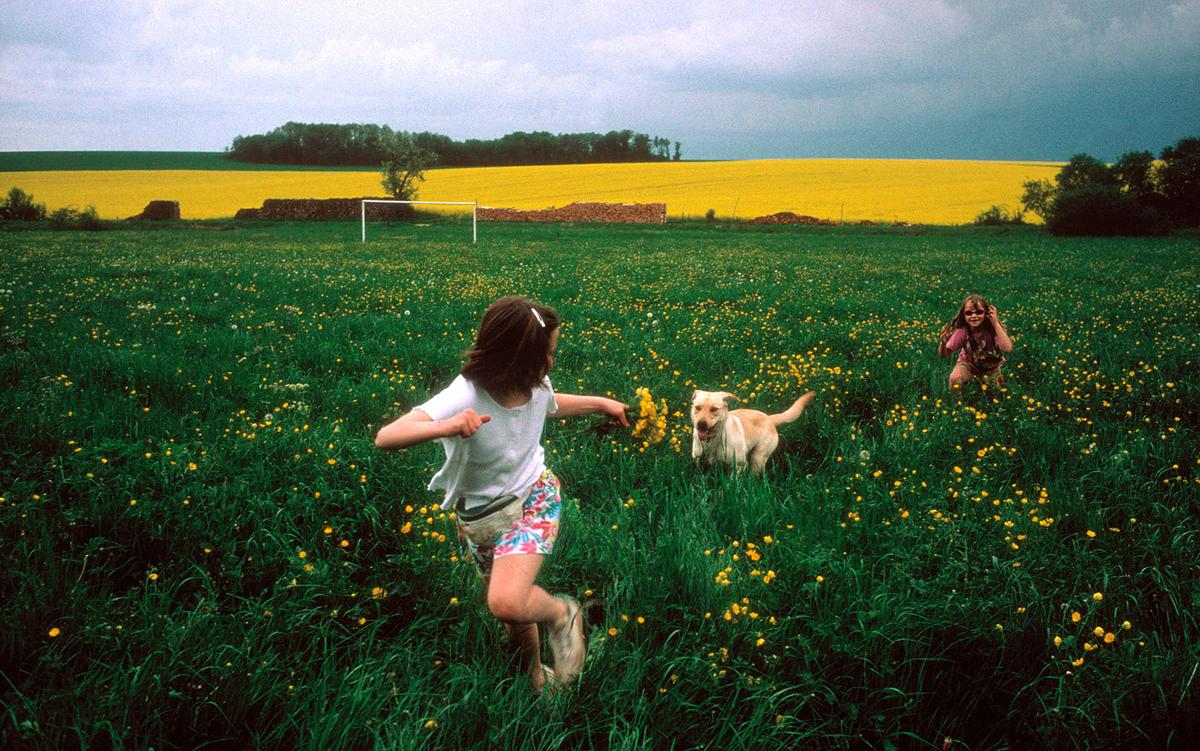
Children today are cossetted and pressured in equal measure. Without the freedom to play they will never grow up
‘We need to reclaim childhood’: UK ministers urged to restore right to play
A steady erosion of outdoor playtime is impairing the development of infants, say experts

Play is doing its work even if we’re not keeping score | Aeon Essays
We are most human when we play freely, imaginatively, pointlessly. Gamification risks atrophying that most precious capacity

Cultivating Visual Literacy: A Play-Based Approach to Drawing Education for Young Children
This paper introduces a novel, play-based method for teaching drawing to young children, emphasising observation, creativity, and the development of visual literacy. The method, refined through years of practical testing with the author's children, moves beyond rote copying and focuses on engaging parents in the learning process. It leverages fun, interactive exercises designed to enhance spatial reasoning, attention to detail, and an appreciation for artistic expression while fostering the understanding of drawing as a natural form of expression alongside language and mathematics, helping children develop a confident, lifelong relationship with visual communication that transcends common perceptions of drawing as an intimidating or exclusively talent-based skill. This paper also presents a literature review on early childhood art education and highlights the importance of drawing as a fundamental cognitive skill.

A Rule is to Break
Simply celebrating childhood: the joy, the wonder of discovery, the spontaneity, and strong emotions Wild Child is free to do as she pleases. <i>A Rule Is To Break: A Child's Guide to Anarchy</i> follows Wild Child as she learns about just being herself and how that translates into kid autonomy. It presents the ideas of challenging societal expectations and tradition and expressing yourself freely in kid-terms that are both funny and thought provoking—it even functions as a guidebook for adults to understand what it is to be a critically thinking, creative individual. Wild Child is <i>the</i> role model for disobedience that is sometimes civil.<br><br> Mostly pictures (that are cute!) and a little text, and looks good, but don't expect much of a lesson in real anarchy! For ages 4 and up!

Crémieux on Twitter / X
Why are the kids scoring poorly today?Uh, high ceilings. This study is making the news, but it is bad🧵 pic.twitter.com/V3sxq5S7Z6— Crémieux (@cremieuxrecueil) July 4, 2024
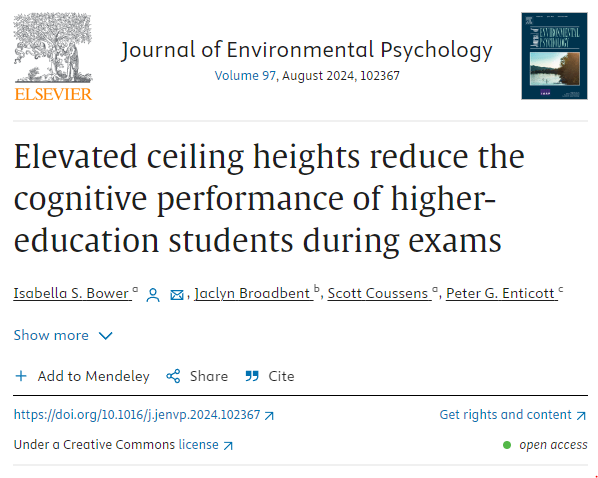
Why should children program - a review of Seymor Paperts Mindstorms
This is an essay about what it means to teach a kid to program, using Seymor Paperts groundbreaking book Mindstorms as a reference.
Erlend Sogge Heggen (@erlend.sh)
1. solitude: single-player game loop 2. bottomlessness: infinite scroll 3. speed: instant delivery/gratification 4. teasing: generally satisfactory, never perfect; “maybe the next one is exactly what I want” ↘️ quoting NPR (@npr.org): Taken together, these four features can create a trancelike state that can keep us stuck on social media apps or video games for hours. Children are particularly vulnerable. n.pr/4mH6i6s
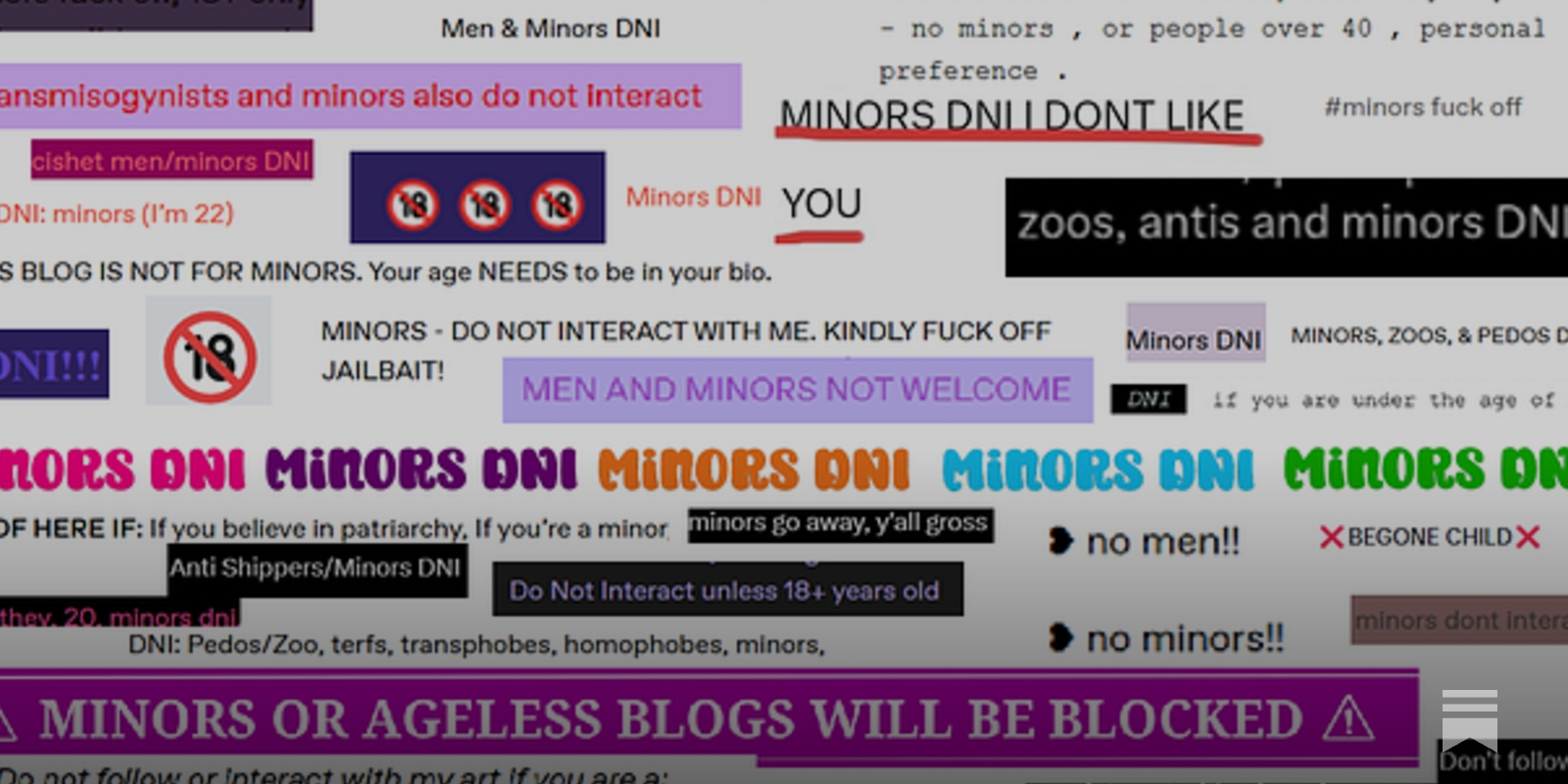
Growing up in the online world: a national consultation
We are consulting on further measures to prepare children for the future in an age of rapid technological change. This includes potential age restrictions on social media and other services such as gaming sites and AI chatbots, restrictions on addictive design features and risky functionalities, and better support for parents and families.


Opinion | My Students Can’t Read
The generational collapse in literacy is measurable, persistent, and likely to get worse.

Adults Lose Skills to AI. Children Never Build Them.
Discussions of cognitive offloading often miss a critical distinction: What AI does to a 45-year-old's brain is categorically different from what it does to a 14-year-old's.

Children’s Sense of Fairness as Equal Respect
One influential view holds that children’s sense of fairness emerges at age 8 and is rooted in the development of an aversion to unequal resource distributions. Here, we suggest two amendments to this view. First, we argue and present evidence that children’s sense of fairness emerges already at age 3 in (and only in) the context of collaborative activities. This is because, in our theoretical view, collaboration creates a sense of equal respect among partners. Second, we argue and present evidence that children’s judgments about what is fair are essentially judgments about the social meaning of the distributive act; for example, children accept unequal distributions if the procedure gave everyone an equal chance (so-called distributive justice). Children thus respond to unequal (and other) distributions not based on material concerns, but rather based on interpersonal concerns: they want equal respect.
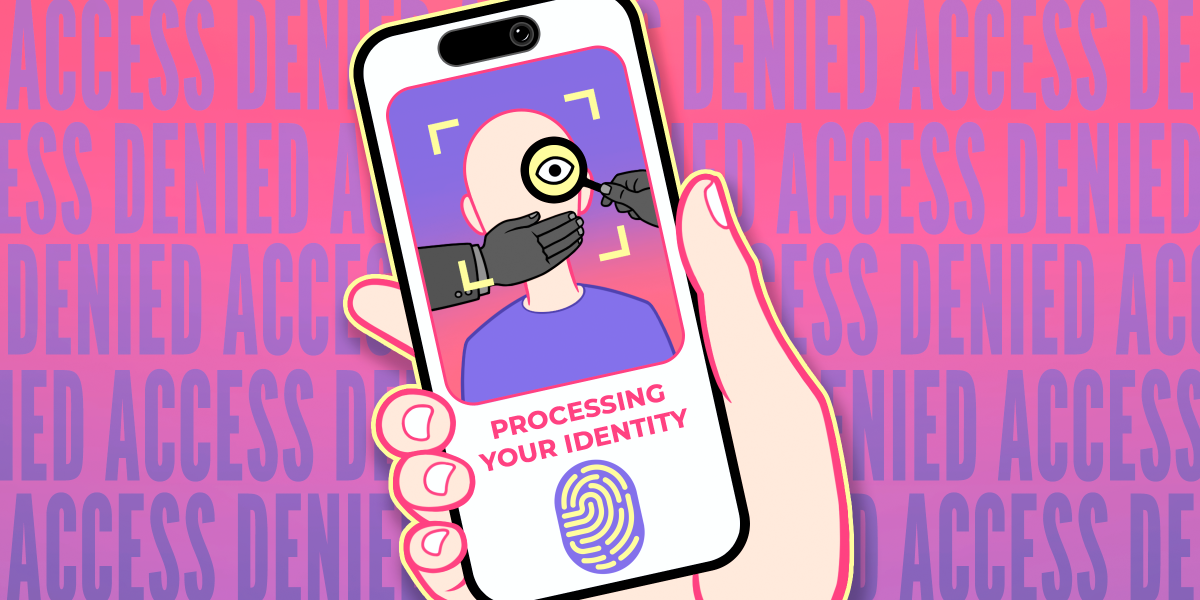
The KIDS Act Would Require Age Checks To Get Online
Buried inside the KIDS Act are provisions that will push online services to verify all users’ ages, require government-directed moderation policies for online speech, and even create new rules about
Derrière le mal-être des adolescentes, la découverte de la domination de genre
Plusieurs rapports sortis ces derniers temps, en particulier celui de la Direction de la recherche, des études, de l’évaluation et des statistiques (Drees) , a…
