

Drinking from the Firehose: Learning Computer Graphics Techniques and Programming
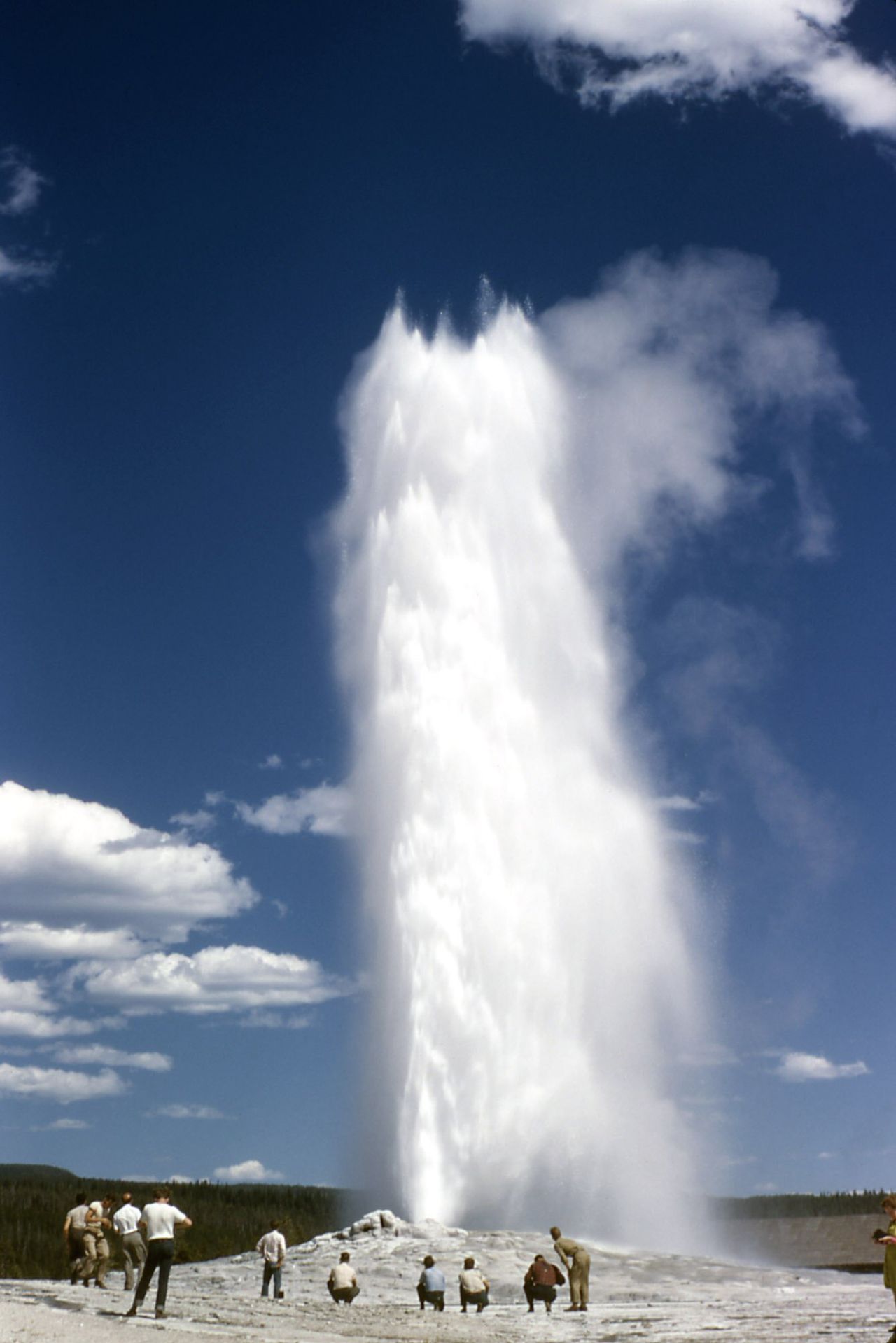
Graphics researchers waiting in the water fountain line at SIGGRAPH Yellowstone. Computer graphics as a field is broad, deep, complex, and intimidating. More than half a century of rapid progress driven by academic research and industry practices underly it. Parts delve pretty far into physics, math, signal processing, systems programming (and more). And performance is always at a premium—so simple, straightforward techniques are often not possible, and high-level programming abstractions not usable.
Kyle Booten
Noöhacking1 is the title of my current research program. I use this term for ways that artists and everyday digital media users build and repurpose algorithmic tools in order to take care of their own minds/spirits, an especially challenging and important task amidst a digital milieu that seems designed to make us alienated, unintelligent, and miserable.
The Slang Shading Language
Empowering real-time graphics developers with advanced language features and machine learning capabilities.
Brilliant | Your Personal Tutor for Math and Coding
Visual, interactive tutoring in math and coding, from 5th grade through college. Master concepts in algebra, calculus, Python, computer science, and more.

Scan's lab
Full stack developer who likes making open source software and exploring the web.

paint: a timeline — Kristen Roos
This timeline is the result of researching the origins of digital paint and draw software, and the tools that were developed to allow for hand manipulation (versus plotter drawn) drawing and painting - the mouse, light pen & drawing tablet. If we look at the software that has become commonplace today (such as adobe photoshop), which allows for painting, animation and photo manipulation in one, we can trace the roots of this software to the University and Corporate Labs that housed large computers with advanced capabilities for their time - MIT Lincoln Labs & Radiation Labs, DARPA & the Augmented Research Centre (ARC), Bell Labs, NYIT’s Computer Graphics Lab, Xerox Palo Alto Research Centre (Xerox PARC), NASA’s Jet Propulsion Labs (JPL). The artistic collaborations that grew out of these labs fueled the advent of Computer Graphics, Computer Art and Video Art from the 1960's to the 1990's.
Creative Code Denver | Meetup
This group is for people interested in exploring code as a creative medium. It's also for helping people find creative collaborators. (AI stuff is off-topic)**"Who should join?"*** Anyone, at any skill level, who's interested in programming in the context of the arts—whether visual, or sonic, or tac

Don't Call Yourself A Programmer, And Other Career Advice | Kalzumeus Software
Mira Melzer
Berlin-based graphic designer specializing in branding, marketing design, and UI/UX.
(iterate think thoughts): Painting with Gaussians
Dmitri's blog about programming, Clojure, and software development

Toni Lijic, Designer
A software designer with a scientific background who loves building random whimsical things, books, art and anything orange.


Programming as Theory Building: Why Senior Developers Are More Valuable Than Ever
Peter Naur's 1985 theory of programming explains why experience matters more in the age of AI-generated code
The Programmer Identity Crisis ❈ Simon Højberg ❈ Principal Frontend Engineer
On AI, Creativity, and Craft

Inigo Quilez :: computer graphics, maths, shaders, fractals, demoscene
Tutorials and articles of Inigo Quilez on computer graphics, fractals, math, art, demoscene, shaders and more.