


Soylent founder Rob Rhinehart shares his thoughts on extreme sustainability.
Sustainability is not enough: we need regenerative cultures
By Daniel C. Wahl

What health variables should you document when embarking on a new Soylent diet?
41K subscribers in the soylent community. Resources, links, experiences, and relevant news dealing with engineered staple foods including but not…
Ecocivilization: making a world that works for all
""One of the greatest thinkers of our age" (The Guardian) presents a new way of living-one modeled on nature's design instead of capitalism's-for fans of Guns, Germs, and Steel and Doughnut Economics It has often been said that it is easier to imagine the end of the world than it is to imagine the end of capitalism-and yet that is what the historical moment urgently calls for. Climate change has reached an emergency state, inequality continues to grow, and, for many, the future has never seemed more bleak. Incremental policy improvements are no longer enough-we need a deep transformation of our current civilization to continue to survive. In Ecocivilization, leading thinker Jeremy Lent reimagines the basis of our civilization, and argues for a new global system of living, one based on life-affirming principles modeled after nature's own design. What enfolds is a robust framework incorporating Lent's own expertise, and the lived experiences of those on the ground already putting ecological civilization's core tenants into practice-justice, mutuality, diversity, and symbiosis. From the global economy to universal housing and income, from infrastructure to agriculture, every major aspect of our society could be redesigned to work together as a coherent whole, setting the conditions for all people to flourish. Ecocivilization shows how this future on a regenerated Earth is not only desirable, but entirely feasible"--

The psychology of Soylent and the prison of first-world food choices
Why are some repulsed by Soylent, but others desperate to receive their orders?
Sustain Episode 293: Daniel Roe and Matias Capeletto of npmx
Daniel and Matias of npmx join host Richard explores community, governance, inclusion, burnout, and sustainability beyond nonstop productivity.
SupermealX, India’s Soylent, May Be Nutritious, but Will It Make the World a Better Place? (Published 2015)
An Indian fitness entrepreneur has made his own version of the meal-replacement potion Soylent. The question is whether India’s poor will want to consume it.

Here’s How You Can Make Meat Way More Sustainable
You can be a carnivore and an environmentalist.

SustainOSS: The Report
On June 19th, 2017, one hundred people gathered in San Francisco to create a cultural shift in how we think about the sustainability of…

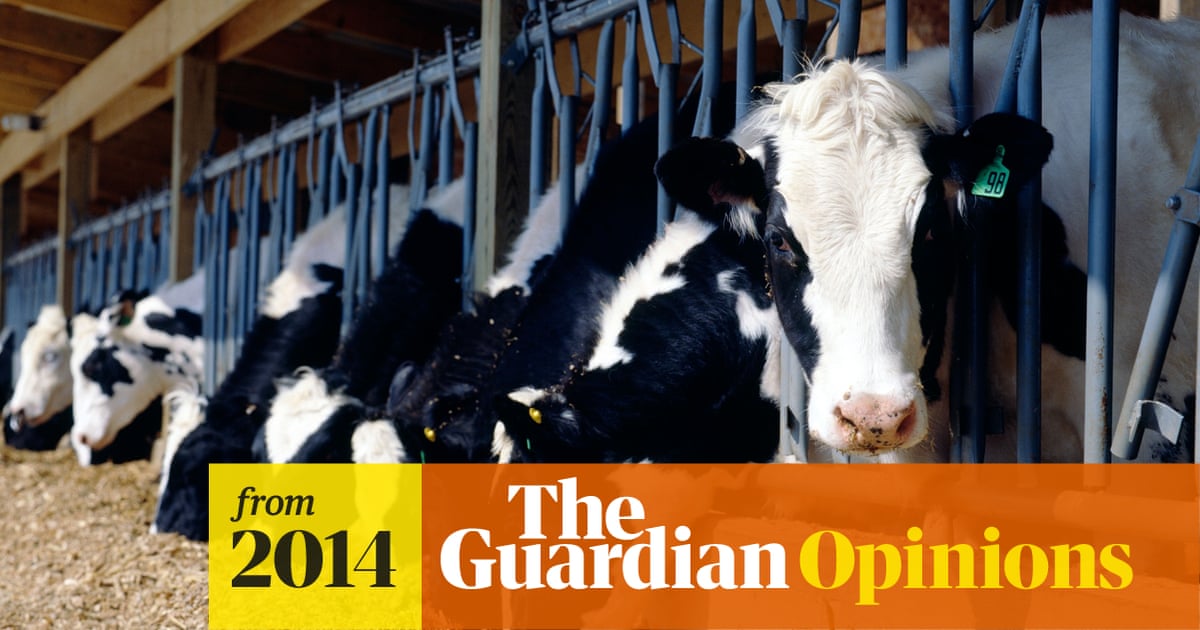
Want to have a real impact on climate change? Time to become a vegetarian | Travis McKnight
Travis McKnight: Millennials who care about the environment should put their money where their mouths are and stop eating meat
We Gathered 100 Open Source Sustainers — Here’s What We Learned
SustainOSS was a one day unconference for open source sustainers. There were no keynotes, expo halls or talks — only discussions about how…

Open source sustainability | TechCrunch
Open source sustainability has been nothing short of an oxymoron. Engineers around the world pour their sweat and frankly, their hearts into these passion

The ‘Shamanification’ of the Tech CEO
From fruit-only diets to dopamine fasting, Silicon Valley founders flaunt self-deprivation like a misguided pursuit of wellness. But there’s more to it.
Sustain
Sustain brings together practitioners, sustainers, funders, researchers and maintainers of the open source ecosystem. We have conversations about the health and sustainability of the open source community. We learn about the ins and outs of what ‘open source’ entails in the real world. Open source means so much more than a license; we're interested in talking about how to make sure that the culture of open source continues, grows, and ultimately, sustains itself. Newsletter
Interesting conversation exploring the future of atproto sustainability!

JP
I want people to be comfortable paying for an atproto account (ie. space on a PDS) It’s the bedrock of everything we’re building; if it’s not funded it’ll get squeezed in ways that are bad for users (hi Gmail) We should normalise having (very cheap) paid-tier PDS accounts on the services we build
open source sustainability


Selective Openness
Cross-License Collaboratives
Nobody pays for open source. We can force them to. | Seldo.com
A Research Lab for Open Source ✸ Software Stewardship Lab
An equitable company - Roomy

Ideas on a Financially Sustainable Atproto | Alex | Offprint