


The bad air quality found in many office buildings may also affect performance, health.
Open offices are as bad as they seem—they reduce face-to-face time by 70%
To encourage unbounded, collective intelligence, offices may need physical boundaries.
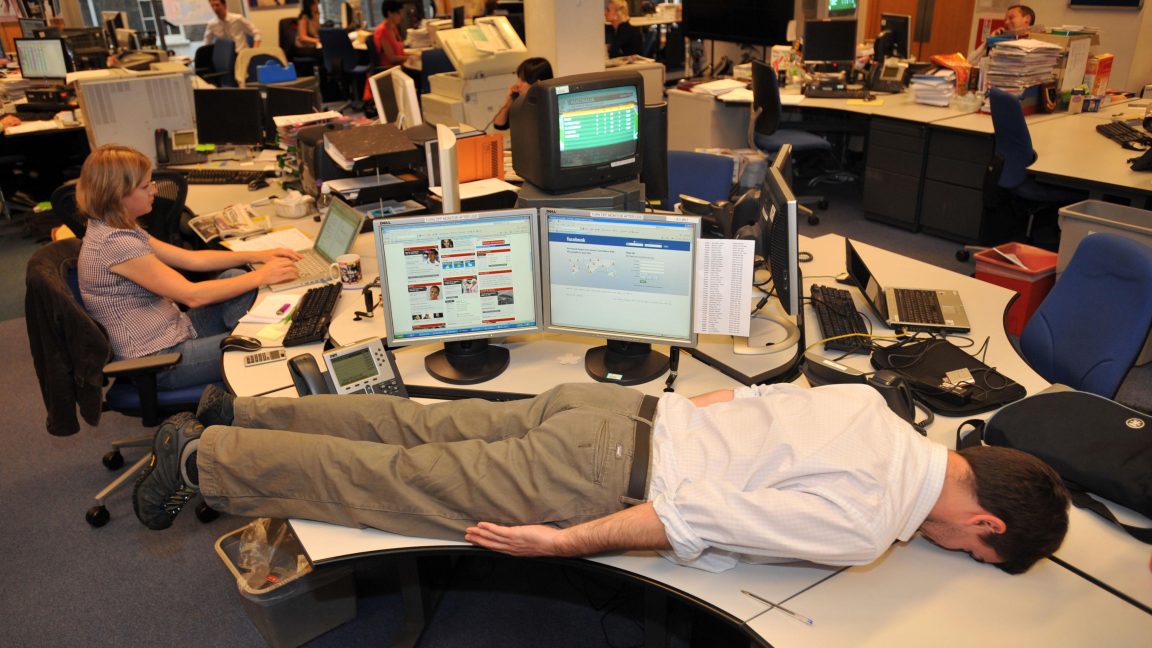
We Need More Research on how CO2 Affects Cognition
A growing body of research indicates there are potentially large health benefits to improving indoor air quality.
What's More Distracting Than A Noisy Co-Worker? Turns Out, Not Much
Open offices are often said to promote teamwork and communication, but the benefits come with a drawback. Office workers are also distracted by coughs, loud conversations and other annoying noises.

Google got it wrong. The open-office trend is destroying the workplace.
Workplaces need more walls, not fewer.

Open-plan offices must be rethought to prevent employees losing focus, finds Haworth
Open-plan offices are "sabotaging" employees' ability to focus at work, while connectivity is leaving them "paralysed", according to research by Haworth

Pollution · Patrick Collison
Air pollution is a very big deal. Its adverse effects on numerous health outcomes and general mortality are widely documented. However, our understanding of its cognitive costs is more recent and those costs are almost certainly still significantly under-emphasized. For example, cognitive effects are not mentioned in most EPA materials.
Sickness absence associated with shared and open-plan offices--a national cross sectional questionnaire survey
OBJECTIVE: The aim of this study was to examine whether shared and open-plan offices are associated with more days of sickness absence than cellular offices. METHODS: The analysis was based on a national survey of Danish inhabitants between 18-59 years of age (response rate 62%), and the study population consisted of the 2403 employees that reported working in offices. The different types of offices were characterized according to self-reported number of occupants in the space. The log-linear Poisson model was used to model the number of self-reported sickness absence days depending on the type of office; the analysis was adjusted for age, gender, socioeconomic status, body mass index, alcohol consumption, smoking habits, and physical activity during leisure time. RESULTS: Sickness absence was significantly related to having a greater number of occupants in the office (P<0.001) when adjusting for confounders. Compared to cellular offices, occupants in 2-person offices had 50% more days of sickness absence [rate ratio (RR) 1.50, 95% confidence interval (95% CI) 1.13-1.98], occupants in 3-6-person offices had 36% more days of sickness absence (RR 1.36, 95% CI 1.08-1.73), and occupants in open-plan offices (>6 persons) had 62% more days of sickness absence (RR 1.62, 95% CI 1.30-2.02). CONCLUSION: Occupants sharing an office and occupants in open-plan offices (>6 occupants) had significantly more days of sickness absence than occupants in cellular offices.
Stanford professor: "The workplace is killing people and nobody cares" - Fast Company
From the disappearance of good health insurance to the psychological effects of long hours, the modern workplace is taking its toll on all of us.

The new word processor wars: A fresh crop of productivity apps are trying to reinvent our workday
Microsoft, more than any other institution on earth, has shaped how we work and how we think about it. If you spend your days in an office (and often if

Air pollution causes ‘huge’ reduction in intelligence, study reveals
Impact of high levels of toxic air ‘is equivalent to having lost a year of education’
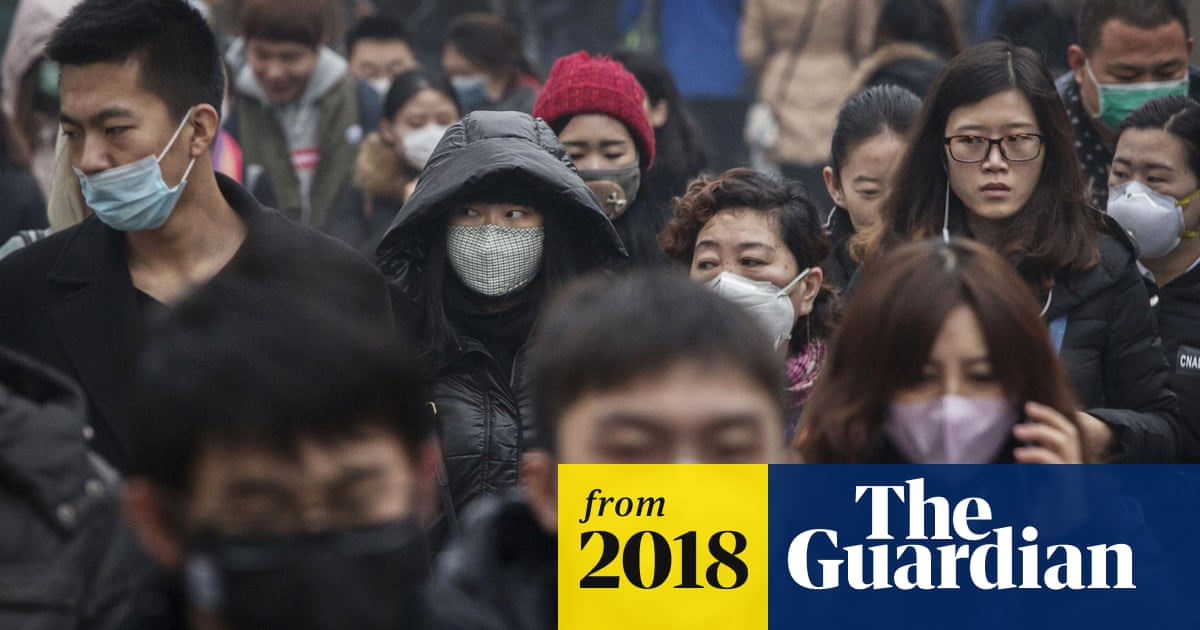
THE AIR OF UNCERTAINTY Experts weigh health risks of twin towers fires & dust
Some people living or working near Ground Zero may have faced serious health risks since Sept. 11, but environmental experts say they don’t know enough to be certain about long-term harm. For months, toxic contamination in the…

As Office Space Shrinks, So Does Privacy for Workers (Published 2015)
The average amount of space per office worker in North America dropped to 176 square feet in 2012, from 225 in 2010, as companies have sought to cut costs.

AI Use at Work Is Causing “Brain Fry,” Researchers Find, Especially Among High Performers
The increased speed and multitasking that AI allows at work is leading to many workers experiencing "brain fry," a new study found.

Potted plants do not improve indoor air quality: a review and analysis of reported VOC removal efficiencies
Potted plants have demonstrated abilities to remove airborne volatile organic compounds (VOC) in small, sealed chambers over timescales of many hours or days. Claims have subsequently been made suggesting that potted plants may reduce indoor VOC concentrations. These potted plant chamber studies reported outcomes using various metrics, often not directly applicable to contextualizing plants’ impacts on indoor VOC loads. To assess potential impacts, 12 published studies of chamber experiments were reviewed, and 196 experimental results were translated into clean air delivery rates (CADR, m3/h), which is an air cleaner metric that can be normalized by volume to parameterize first-order loss indoors. The distribution of single-plant CADR spanned orders of magnitude, with a median of 0.023 m3/h, necessitating the placement of 10–1000 plants/m2 of a building’s floor space for the combined VOC-removing ability by potted plants to achieve the same removal rate that outdoor-to-indoor air exchange already provides in typical buildings (~1 h−1). Future experiments should shift the focus from potted plants’ (in)abilities to passively clean indoor air, and instead investigate VOC uptake mechanisms, alternative biofiltration technologies, biophilic productivity and well-being benefits, or negative impacts of other plant-sourced emissions, which must be assessed by rigorous field work accounting for important indoor processes.

‘Deskilling’: a dangerous side effect of AI use
Workers are increasingly reliant on the new technology
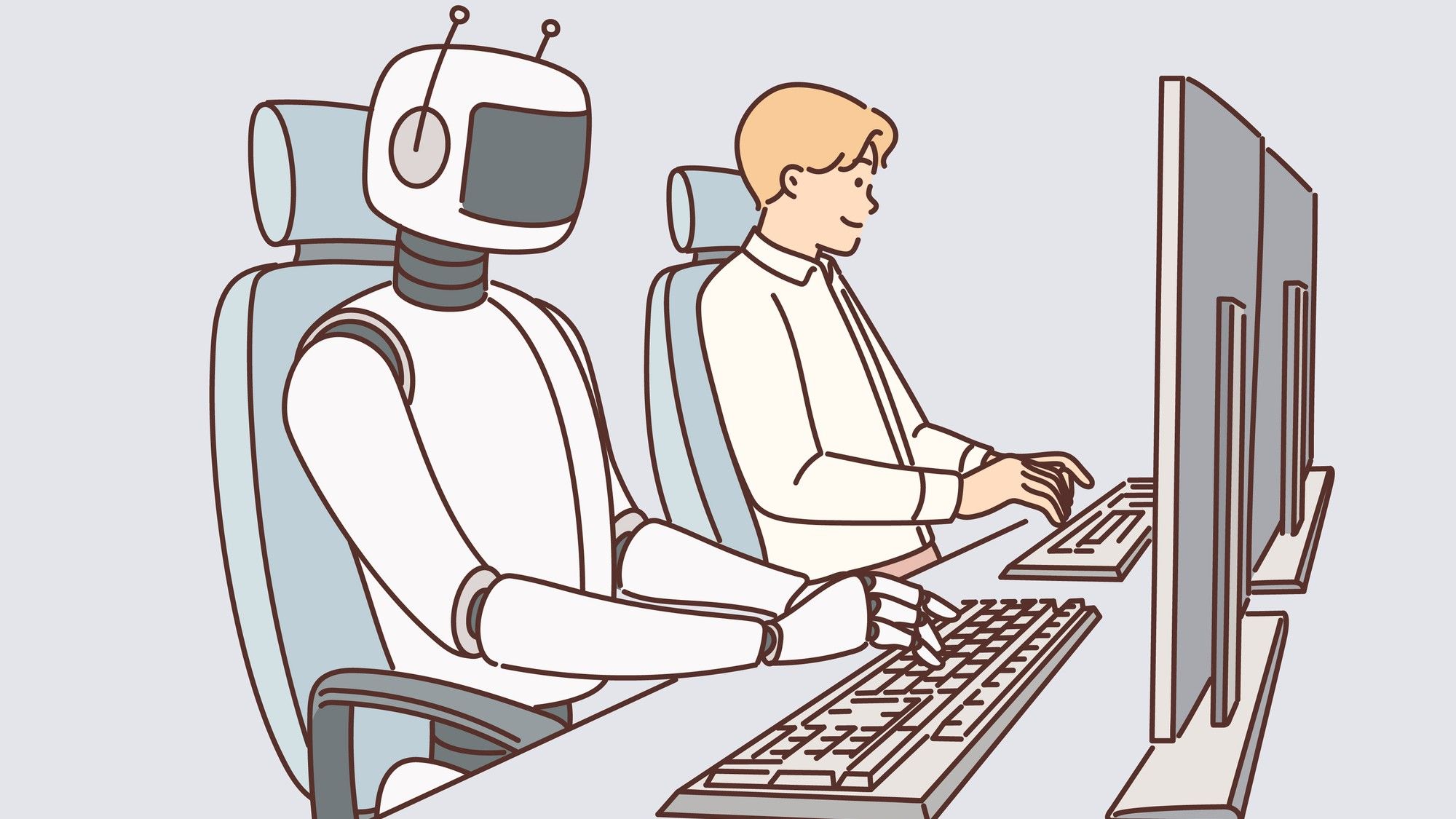
Let’s Take This Open Floor Plan to the Next Level
NOTICE TO EMPLOYEES: Since tearing down all of our walls, offices, and dividers in favor of one large, open room with rows of desks, we’ve received anecdotal...
