Benedict Evans tweeted out this chart yesterday: We sometimes think of the shift to mobile as finished, or almost finished. It isn’t. pic.twitter.com/l5gaiMlaoU — Benedict Evans (@BenedictEvans) March 12, 2016 The first 2.5bn smartphones brought us Instagram, Snapchat, Uber, Whatsapp, Kik, Venmo, Duolingo, and most importantly, drove the big web apps to build world class […]
Presentation: The End of the Beginning — Benedict Evans
Close to three quarters of all the adults on earth now have a smartphone, and most of the rest will get one in the next few years. However, the use of this connectivity is still only just beginning. Ecommerce is still only a small fraction of retail spending, and many other areas that will be transf
Minimum Viable Infrastructure
Minimum Viable Infrastructure Innovation often emerges not solely from brilliant ideas but from the infrastructure readiness that makes those ideas viable. Consider the progression of mobile consumer internet applications over the past two decades: Twitter, Instagram, Snapchat, TikTok. Their lau...

Platform wars: the final score — Benedict Evans
The platform wars and over and Apple and Google both won. So, what's the score, how many smartphones and tablet are out there, and what should we think about next?
Google I/O 2018: What’s new in Android
As Android has grown exponentially over the past ten years, we've also seen our developer community grow dramatically. In countries like China, India, and Brazil, the number of developers using our IDE almost tripled - in just two years. With such growth, we feel an even greater responsibility to invest in our developer experience. Guided by your feedback, we've focused our efforts on making mobile development fast and easy, helping you get more users by making apps radically smaller, and increasing engagement to keep users coming back. We're also pretty excited to see Android Things go to 1.0, creating new opportunities for you to develop - everything from major consumer devices, to cool remote control vehicles!

Google's Nexus Strategy In A Nutshell: Cheap Mobile Internet Everywhere | TechCrunch
Google unveiled a new line of Nexus devices in a range of shapes and sizes, from the Nexus 4 smartphone to the Nexus 10 tablet, and some aspects of the product launch proved confusing. Why build a smartphone with modern specs across the board, and then leave out LTE connectivity? Or why push improved Nexus tablet hardware, when there's a surprising lack of apps designed for those screens?

Shaping the future of mobile with Android
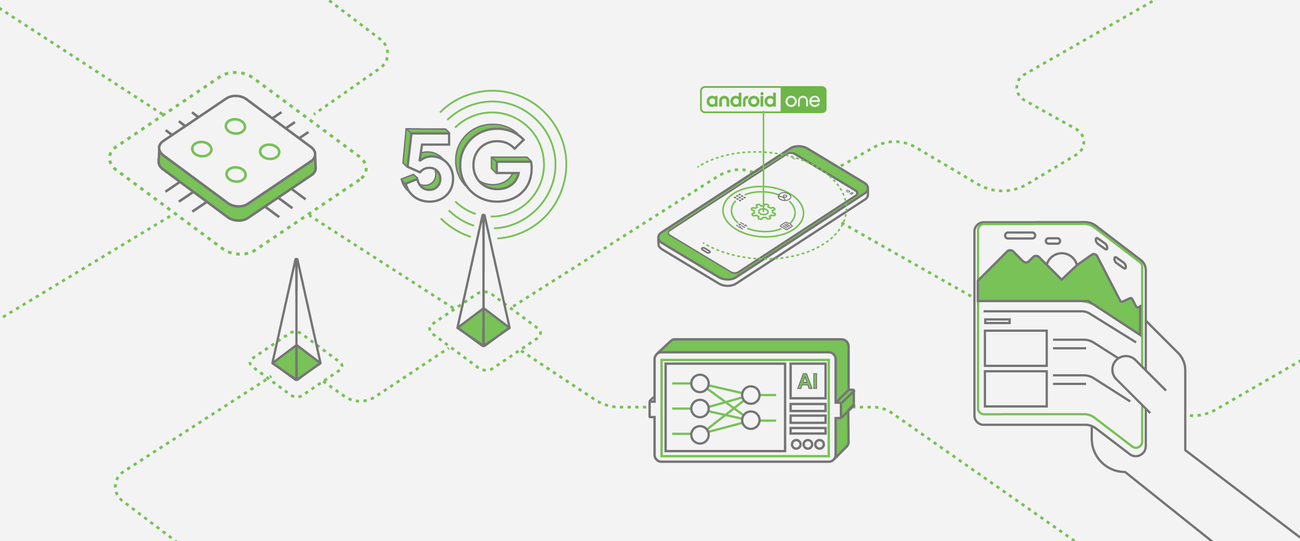
Here’s what's new in the Android ecosystem, coming to you live from MWC19 Barcelona.
Browsers, not apps, are the future of mobile - The Intercom Blog
Proclamations of an all-native mobile app world ignore the fact that browsers and the web are fast becoming the mobile operating system of the future.

Web literacy & mobile for development
Within the decade, fully half the planet will have access to a smartphone. The hardware is undergoing commoditization and network coverage is expanding faster…
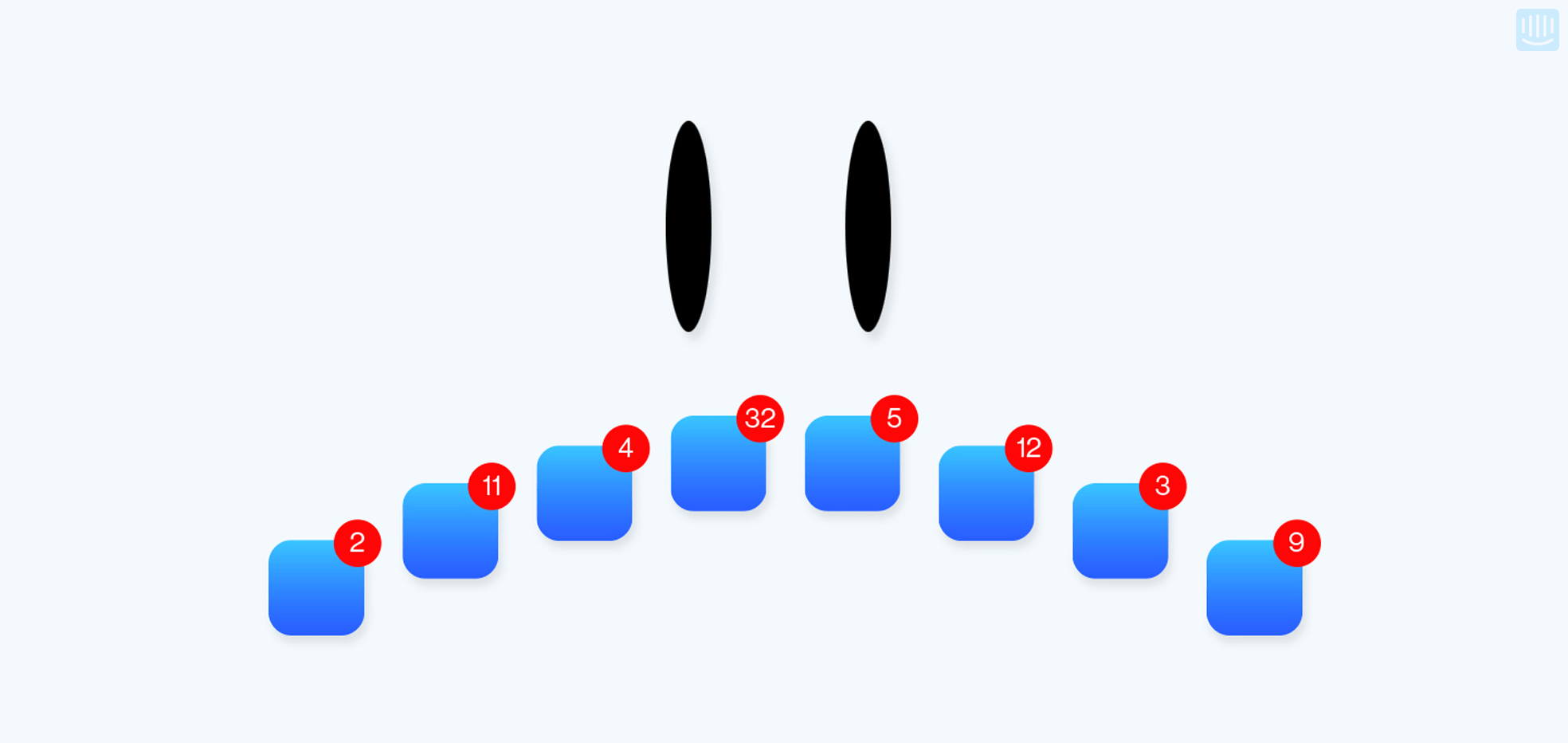
The end of apps as we know them - The Intercom Blog
The end of apps as we know them is near. The future of apps is not going to revolve around the current experience where our primary mobile screen is a bank of app icons that lead to independent destinations. That world is dying, which changes what we need to design and build.
Decentralizing My Smartphone With Single Purpose Devices
Lately, I’ve become nostalgic for the days before smartphones, when the internet was a place we went to deliberately, and not a place that lived on all of ou...

Cracking the Code to Mobile Productivity
Our global journey to rethink, redesign, and align our mobile experiences

Carl Pei Thinks the Phone of the Future Will Only Have One App
Nothing’s CEO speaks to WIRED about how he sees the smartphone market playing out in an era of AI, and where he thinks the competition is going wrong.

Brad Neuberg on Twitter / X
Y Combinator is predicated on startups that require low capitalization since most of the technology they depend on is already mostly developed. This was true pre-2015 where startups depended on commodity open source software, the smartphone capitalized by Apple and others, cloud…— Brad Neuberg (@bradneuberg) September 16, 2024
Why I switched to Android after 7 years of iOS
Monday of last week I was all excited. I had just gotten the green light to start prototyping a new Progressive Web App for a client I've been working with.
Google's Project Ara: Reinventing the smartphone with building blocks