Nothing To Hide explains why you should care about surveillance even though you have nothing to hide. But it missed the point that most con...
Why 'I Have Nothing to Hide' Is the Wrong Way to Think About Surveillance
Many don’t understand why they should be concerned about surveillance if they have nothing to hide. It’s even less clear in the world of 'oblique' surveillance, given that apologists will always frame our use of information-gathering services like a mobile phone plan or Gmail as a choice. if everyone’s every action were being monitored, and everyone technically violates some obscure law at some time, then punishment becomes purely selective.

Why Privacy Matters Even if You Have ‘Nothing to Hide’
What’s the problem with ubiquitous surveillance? Don’t think Orwell; think Kafka.

Why Privacy Matters Even if You Have ‘Nothing to Hide’
What’s the problem with ubiquitous surveillance? Don’t think Orwell; think Kafka.
Why privacy is important, and having "nothing to hide" is irrelevant
The governments of Australia, Germany, the UK and the US are destroying your privacy. Some people don't see the problem...
Why privacy is important, and having "nothing to hide" is irrelevant
The governments of Australia, Germany, the UK and the US are destroying your privacy. Some people don't see the problem...
Why Privacy Matters Even if You Have 'Nothing to Hide' | Hacker News
1. The "if you have nothing to hide..." line is predicated on the viewer having final say about whether something is right/wrong, thus subordinating the subject to the viewer. This is repulsive to the notion of liberty as protected by the American "4th Amendment" right of freedom from governmental inspection without an adjudicated warrant. To wit: it's not that I have something to hide, it's that someone else is going to be obnoxious if they see it.

NSA Surveillance Debate: Cindy Cohn vs Ronald Sievert | Learn Liberty
Should You Be Afraid of the NSA? - Learn Liberty
Opinion | Surveillance: A Threat to Democracy (Published 2013)
Security can be achieved by less-intrusive or sweeping means, without trampling on democratic freedoms and basic rights.

Privacy under attack: the NSA files revealed new threats to democracy
We now know the apparatus of repression has been attached to the democratic state, but our struggle for privacy is far from hopeless. By Eben Moglen
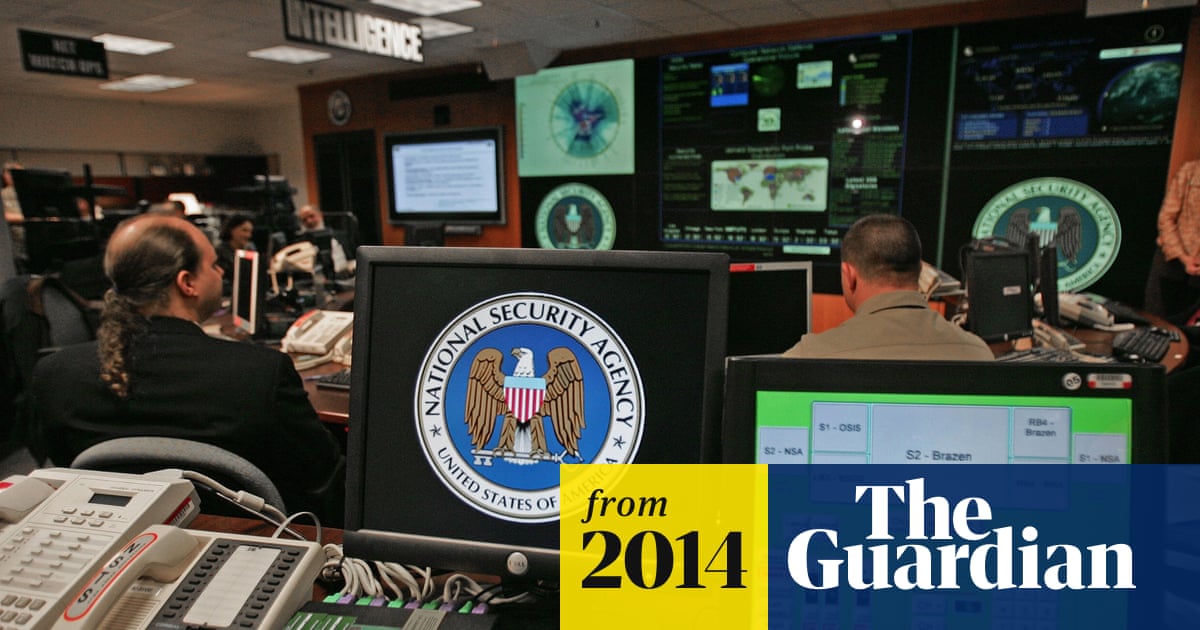
A Surveillance Net Blankets China’s Cities, Giving Police Vast Powers (Published 2019)
The authorities can scan your phones, track your face and find out when you leave your home. One of the world’s biggest spying networks is aimed at regular people, and nobody can stop it.

Why Are People More Scared of Facebook Violating Their Privacy than Washington?
Why doesn't domestic surveillance stir more outrage?

The Dangers of Surveillance in the Age of Populism
The dangers of surveillance might seem hypothetical—but history shows us we have a lot to fear.

The Internet is a surveillance state | CNN
Bruce Schneier says our surveillance state is efficient beyond the wildest dreams of George Orwell, and consumers are given little chance to opt out

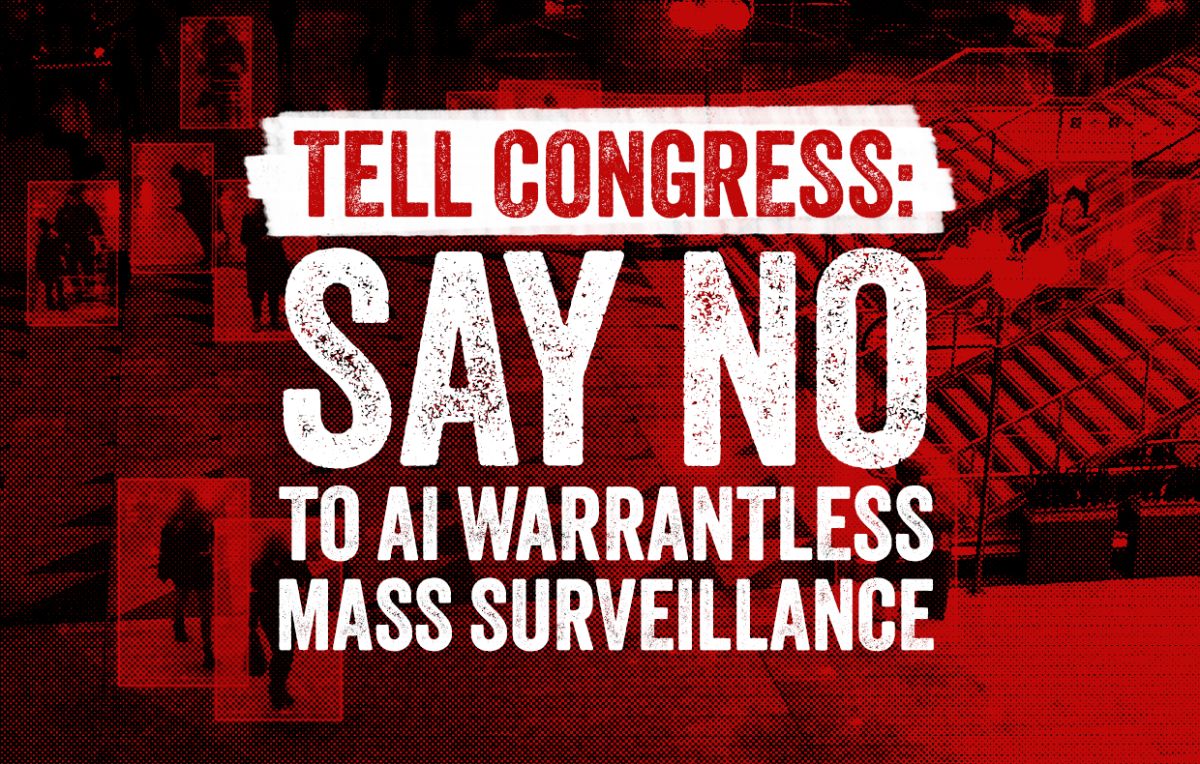
Tell Congress to Say No to Warrantless AI Mass Surveillance
The War on Terror-era legislation that authorized decades of civil liberties-eroding mass surveillance expired June 12. . Congress has a choice to make before they reauthorize this bill: will they greenlight warrantless mass surveillance of American citizens, or uphold the Constitution and prevent more of Trump's authoritarian powergrabs? Section 702 of the Foreign Intelligence Surveillance Act (FISA) was passed in 2008 as a counterterrorist measure, but has a long history of abuse from the federal government, especially when it comes to surveillance. Congress has a choice to make: Will they greenlight warrantless mass surveillance, or hold the line and reject any effort to move forward without serious privacy guardrails. FISA as it is currently written: Allows warrantless backdoor surveillance of people in and out of the country Offers little to no protections against the administration targeting critics, activists, religious minorities, or communities of color Actively chills our freedoms of speech and association Two years ago, this reauthorization legislation sailed through Congress with bipartisan support. That can’t happen again. Democratic leadership and members must hold the line for our civil liberties. And any Democrat or Republican voting for unfettered spying on US citizens should hear from their constituents. Let your Members of Congress know you expect them to reject reauthorization unless it includes significant reforms to protect our civil liberties against this authoritarian regime.