


In a new meta-analysis of ten studies, probiotics are proving useful in decreasing symptoms of anxiety.
The Probiotic Breakthrough for Anxiety Relief: How Gut Bacteria Influence Mental Health
Researchers have discovered that naturally occurring gut microbes produce indoles—compounds that play a key role in regulating anxiety-related brain activity. This finding paves the way for next-generation therapies that use probiotic microbes to support mental health and potentially reduce anxiety symptoms.
Gut bacteria may have impact on mental health, study says
Research opens door to possible treatments for depression based on probiotics
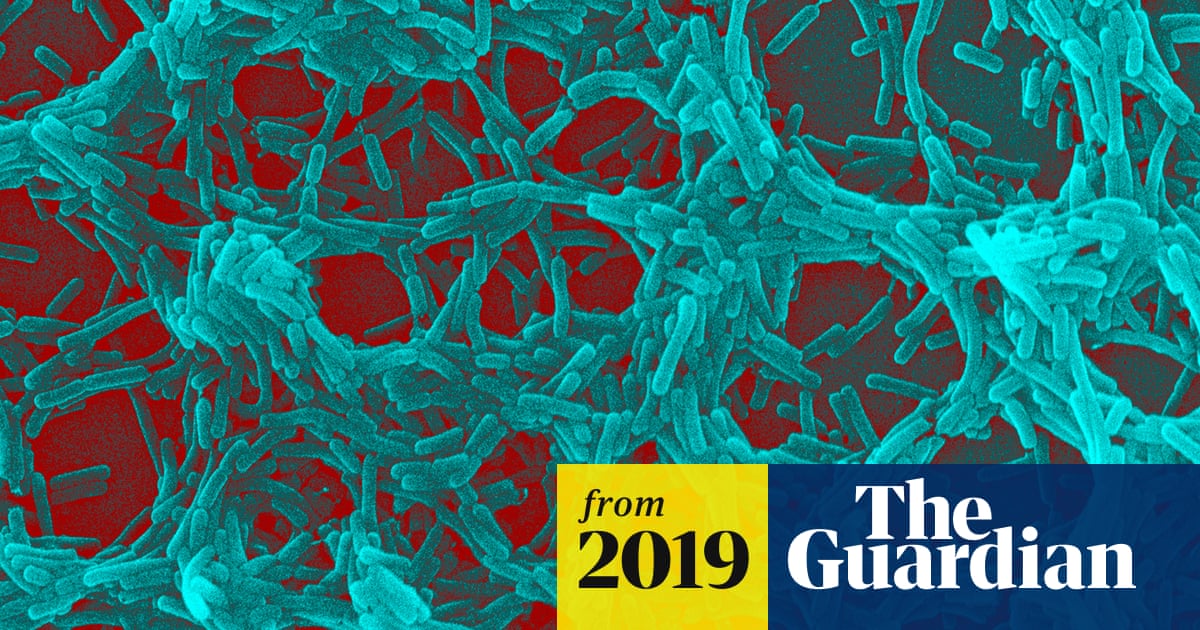
Mental Health May Depend on Creatures in the Gut
The microbiome may yield a new class of psychobiotics for the treatment of anxiety, depression and other mood disorders
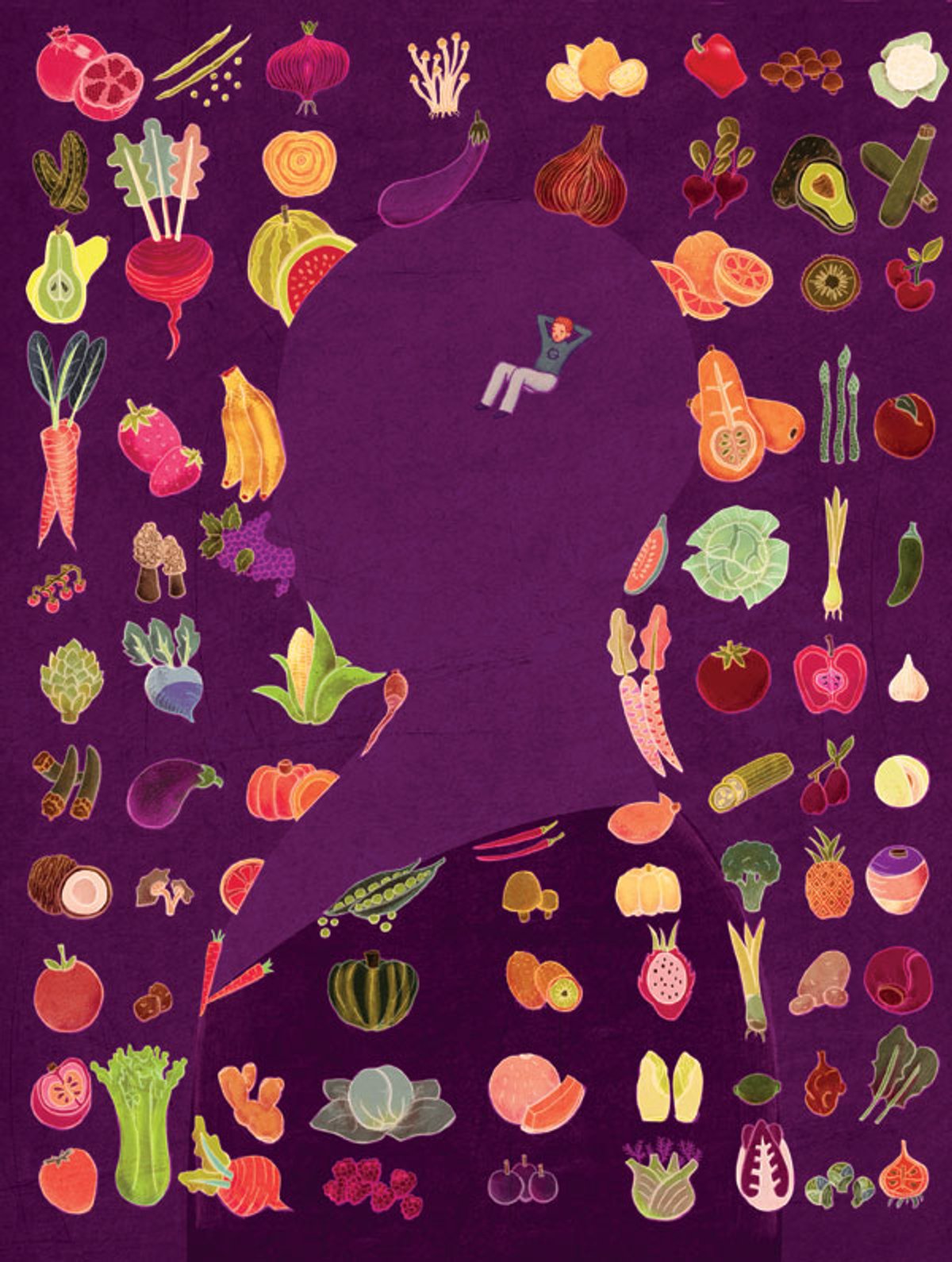
Gut bacteria linked to behavior: That anxiety may be in your gut, not in your head
Working with healthy adult mice, researchers showed that disrupting the normal bacterial content of the gut with antibiotics produced changes in behavior. Working with healthy adult mice, the researchers showed that disrupting the normal bacterial content of the gut with antibiotics produced changes in behavior; the mice became less cautious or anxious. When oral antibiotics were discontinued, bacteria in the gut returned to normal.

Psychobiotics: Bacteria to Brighten your Mood | Qualia
Uncover the power of psychobiotics—bacteria that boost mood and mental well-being. Explore the emerging field of gut-brain connection."

People less focused on recurrent bad feelings when taking probiotics
People focus less on bad feelings and experiences from the past (i.e. rumination) after four weeks of probiotics administration.
Study Finds Probiotics 'Not As Beneficial For Gut Health As Previously Thought' - Slashdot
An anonymous reader quotes a report from The Guardian: The gut microbiome is the sum total of all the micro-organisms living in a person's gut, and has been shown to play a huge role in human health. New research has found probiotics -- usually taken as supplements or in foods such as yoghurt, kimch...

Gut Bacteria Signature Shows Link to Depression
The first population-level study on the link between gut bacteria and mental health identifies specific gut bacteria linked to depression and provides evidence that a wide range of gut bacteria can produce neuroactive compounds. Jeroen Raes (VIB-KU Leuven) and his team published these results today in the scientific journal Nature Microbiology.<br /><br />

Transplanting Gut Bacteria Alters Depression-related Behavior, Brain Inflammation in Animals
Knowledge of stress biology may eventually bring bacterial treatments for psychiatric disorders.

How Gut Health and Depression Could Be Connected
Research suggests that our gut microbiota influences mental health. Many factors impact our microbiome, which can dictate everything from how often we get sick to mood swings.
Microbiome study could change the way doctors diagnose depression
Researchers discover distinct gut bacteria prevalent in people with clinical depression compared to healthy people.
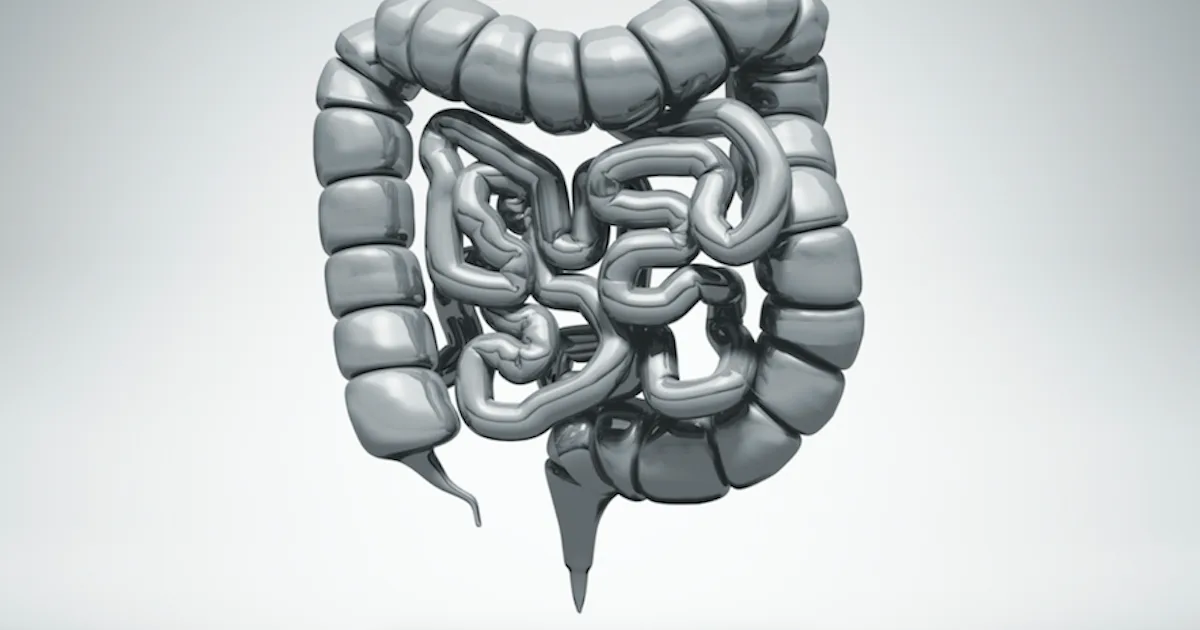
How Microbiomes Affect Fear | Quanta Magazine
New studies help to explain how microbes in the gut can shape a host’s fear responses.
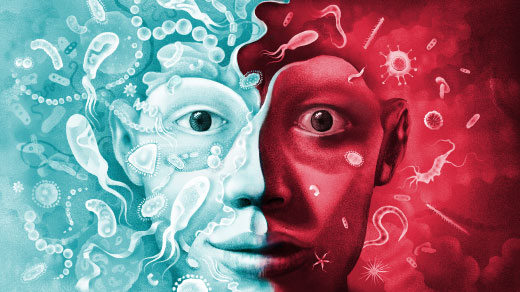
Psychobiotics & the Gut-Brain Connection | Qualia
Explore the fascinating world of psychobiotics and the gut-brain connection. Uncover the influence of gut health on mental well-being and cognition.

Genetic Contribution to Anxiety Is Partially Mediated by Gut Microbiome - Neuroscience News
Researchers identified specific genetic variants and families of gut microbes associated with anxiety-like behavior, including host genes that influence anxiety indirectly.

Gut bacteria spotted eating brain chemicals for the first time | New Scientist
The discovery of gut bacteria that need the calming chemical GABA to survive could explain why bacteria seem to influence our mood

The link between our food, gut microbiome and depression
A new study takes an important step forward in understanding the link between the gut bacteria, what we eat and how we feel
