


“The privilege of creating and issuing money is not only the supreme prerogative of government, but it is the government’s greatest creative opportunity.” Abraham Lincoln (1865) 8.1 Where does mo…
Liquid democracy uses blockchain to fix politics, and now you can vote for it | TechCrunch
Abraham Lincoln famously said that “government of the people, by the people, for the people, shall not perish from the earth,” but looking around these

The State and Revolution — Chapter 5
The State and Revolution: Chapter 5: The Economic Basis of the Withering Away of the State
Changing the Metaphor of Money
Following on from my previous article on metaphors and paradigm shifts, I thought I would write about one particular monumental shift in paradigm, which was central to the development of VISA’…


Making the Choice Between Money and Meaning
Reducing the friction between work that has meaning and work that pays well.

Is Dollar Dominance Good for the U.S.?
Thoughts on the U.S.'s so-called exorbitant privilege.

Permissionless innovation: The fuzzy idea that rules our lives
People sometimes ask me, “What is the most important concept in political economy?” The answer is easy, but subtle …

Digital Gold: Bitcoin and the Inside Story of the Misfits and Millionaires Trying to Reinvent Money ― A Bitcoin History

Systems: How the Ultra-Wealthy Think About Money - Anil Dash
A blog about making culture. Since 1999.

What is Money, Anyway?
Editor’s Note: This topic is now comprehensively covered in my book, Broken Money. Money is a surprisingly complex subject. People spend their lives seeking money, and in some ways it seems so straightforward, and yet what humanity has defined as money has changed significantly over the centuries. How could something so simple and so universal, […]

On the immaturity of tokenized value capture mechanisms
Pursuing value in an age of borderless-ness, experimental monetary policies, costless forks and unlimited innovation.

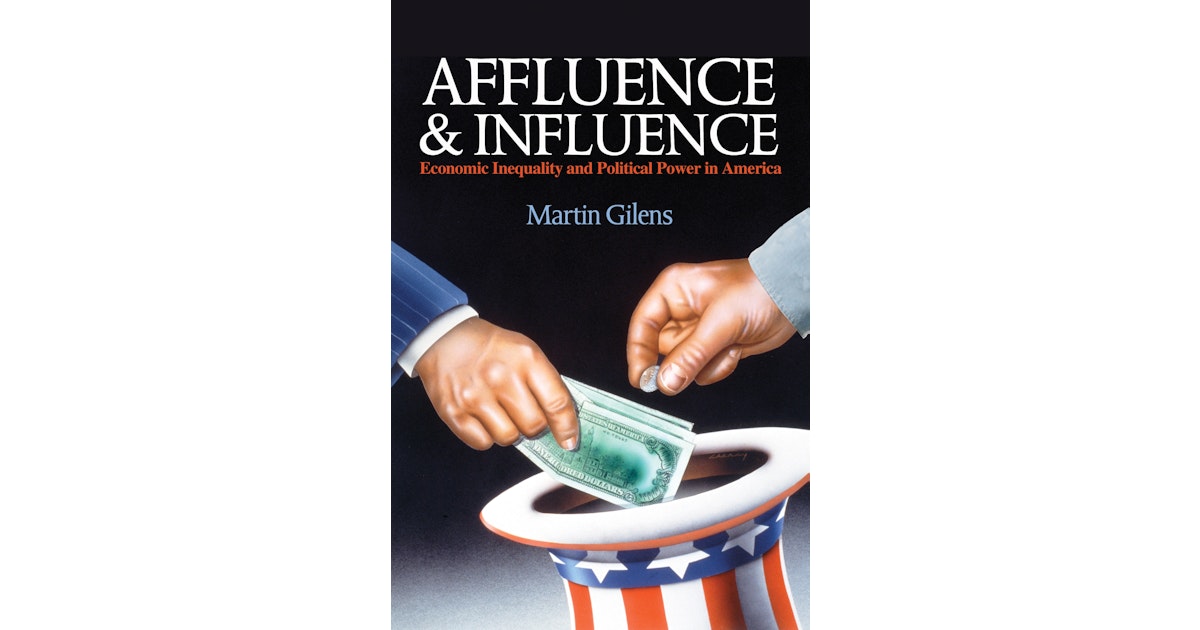
Affluence and Influence
Why policymaking in the United States privileges the rich over the poor
Who Pays For Your Rewards? Redistribution in the Credit Card Market
The Federal Reserve Board of Governors in Washington DC.
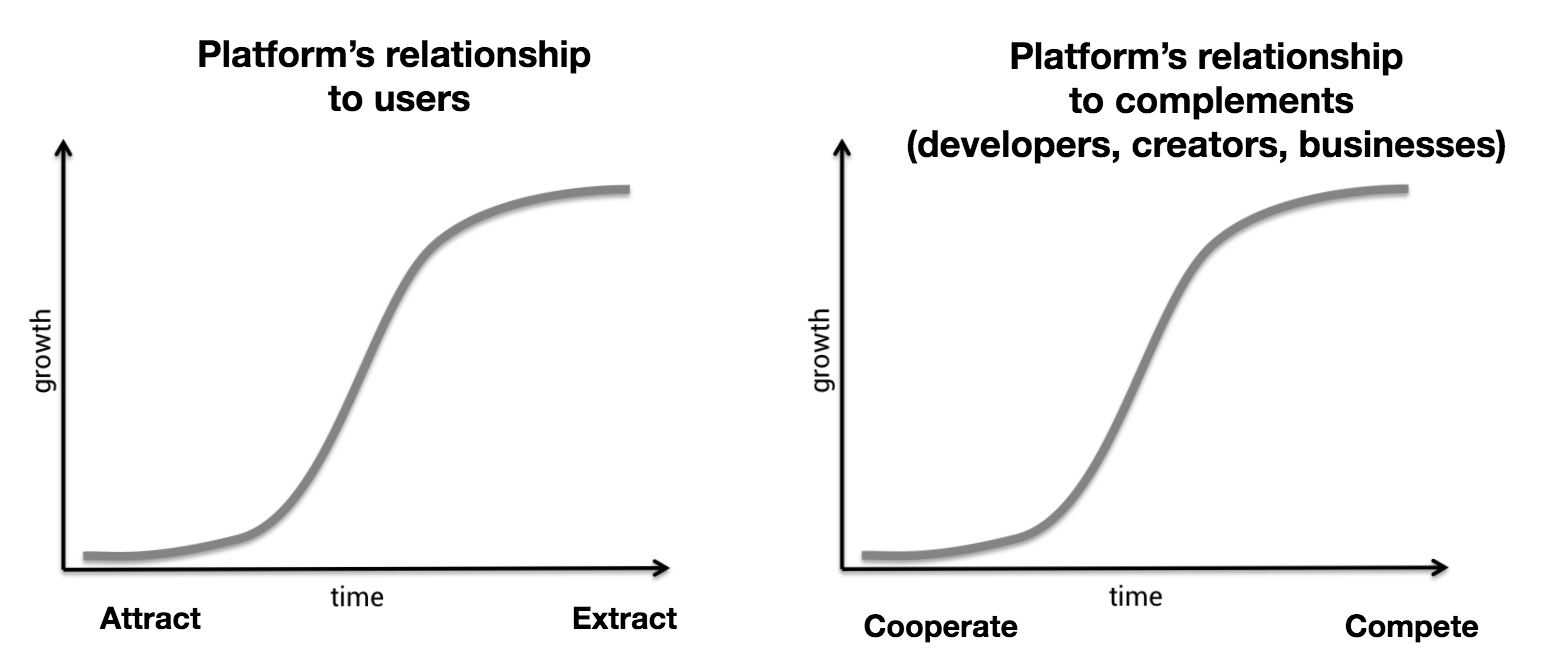
Why Decentralization Matters - AVC
As you can see, I am not writing this presidents day weekend. I explained why on friday. Instead I’ve been posting things that I found worth sharing with all of you. Today, I want to share a blog post written by my friend Chris Dixon about decentralization. This is a portion of the post that […]
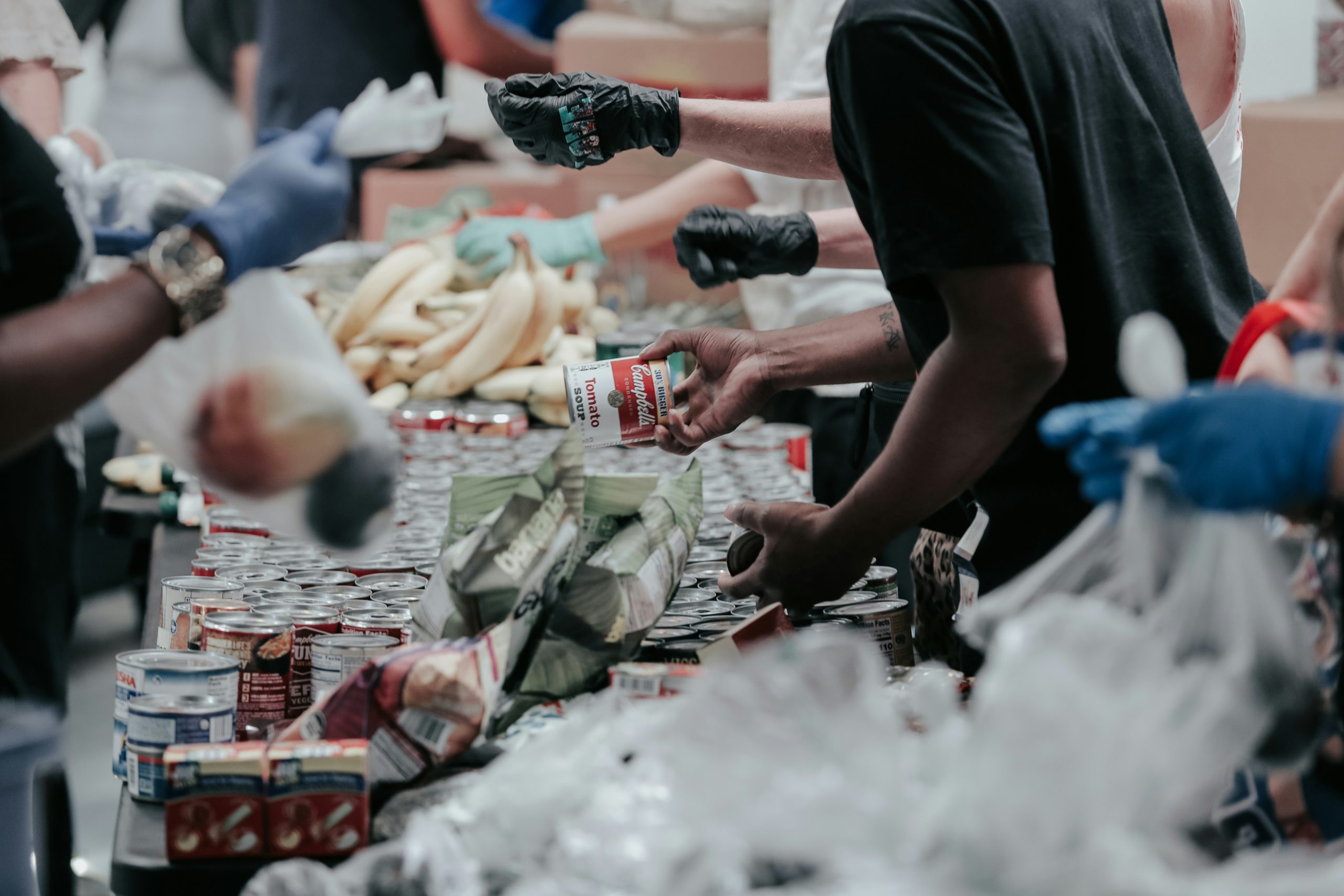
Money for mutual resilience: Introducing Blacksky Cash
Mutual aid has always been about more than money. But money, shared intentionally, can be a powerful expression of solidarity. This is us building toward that future.
Community Wealth Building — Urban Affairs Review
Scholars of urban politics have long debated the issue of what cities can and should do to promote the economic well-being of their residents. As the of election Zohran Mamdani illustrates, urban residents are increasingly demanding that city governments do more to address the increasingly exorbitant costs of housing, childcare, and transportation. One obvious solution is to raise taxes on the private holders of wealth. By the same token, his election has prompted handwringing on the right about the “inevitable” flight of capital out of New York City. Scholarship that runs the gamut from the public choice school associated with the “city limits” perspective (Peterson 1981) through to Marxian accounts (Logan and Molotch 1987) all recognize that the private ownership of wealth and the mobility of capital puts cities in a bind, especially in a context of highly circumscribed levels of federal urban spending. Though several scholars (Logan and Swanstrom 1990; Kantor and Savitch 1993; Schragger 2016) have demonstrated that cities have greater latitude to promote egalitarian public policies than these perspective allow, few would argue that the deep structural problems of economic and social inequality can be fully resolved by tax-and-spend liberalism (Imbroscio 2010).