

We’re already seeing people being disappeared. I think we’ll see more of that, and people fighting back, and a possible escalation of violence between civilian factions, and between civilians and the government. I think things will get kinetic soon. I think it’s important to be deliberate in how we approach the incoming conflict, to not be swept up in it. So I’ve been having conversations with friends and neighbors about what this might look like, and how we want to approach things. This blog post is inspired by those conversations, but I’m not going to name everyone here because that would be bad opsec. These are friends with direct experience with conflict, and/or are deeply researched about it.
Thanks @sunnydeveloper for this wonderful article on Conflict resolution(http://t.co/bWyuD4xb4v) That made me understand many things. :)
Thanks @sunnydeveloper for this wonderful article on Conflict resolution(http://t.co/bWyuD4xb4v) That made me understand many things. :)— Akshay Tiwari (@ATandTea) June 2, 2015
De-escalation 101
Conflict Systems
The zine contends that many recent sites of community building, especially online, have lacked the tools and norms for the practice of conflict. Many reasonable expectations that go by names like due process, justice, accountability, or mediation are unavailable or not even considered in emerging communities. The platforms that communities rely on treat conflict as a corporate liability, not a chance to strengthen relationships.
The Context Wars: Notes from a Gathering of the Rebel Alliance
What side are you on?

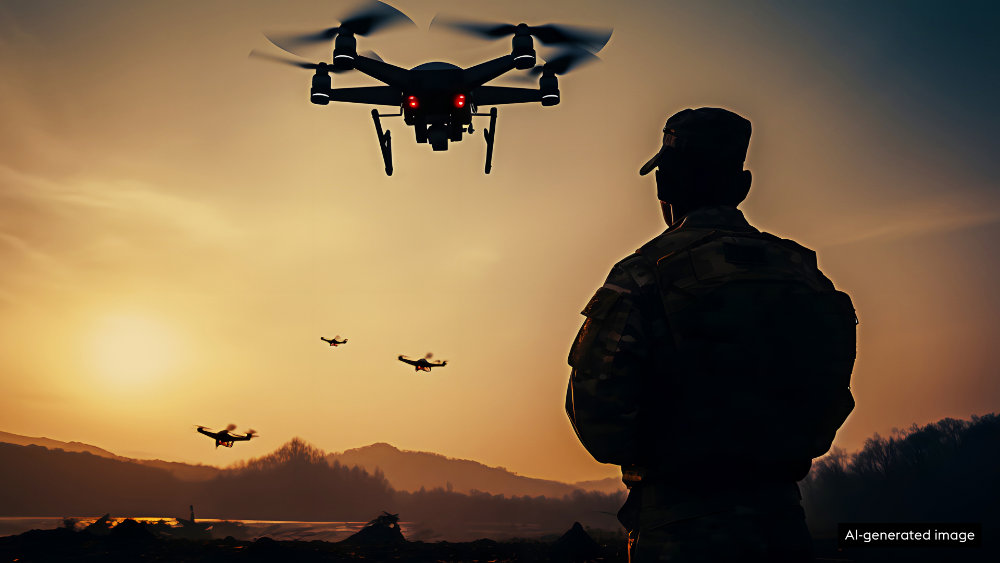
The shifting battlefield: technology, tactics, and the risk of blurring lines in warfare - Humanitarian Law & Policy Blog
The accelerating integration of emerging technologies into armed conflict is transforming not only the tools of war, but its tactics, geography, participants and impact. Technological developments – from commercial drones to artificial intelligence, electronic warfare to the military use of civilian infrastructure – risk undermining boundaries between military and civilian domains. These changes challenge long-held...
Above the law: Drones, aerial vision and the law of armed conflict – a socio-technical approach
Shiri Krebs is Professor of Law and ARC DECRA Fellow, Deakin University, Geel
Opportunities to Improve Military Policies and Practices to Reduce Civilian Harm From Explosive Weapons in Urban Conflict
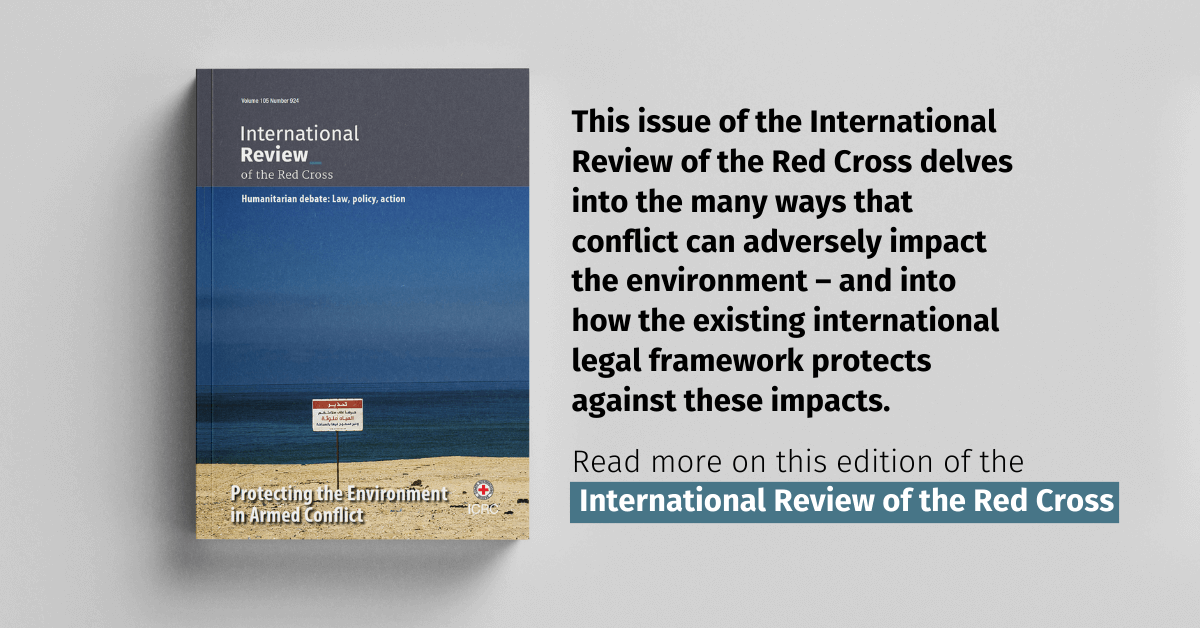
This research paper seeks to contribute to further thinking and dialogue among States and their militaries that conduct operations in urbanized environments on what more can be done to reduce civilian harm by proposing practical measures in the form of options for consideration. UNIDIR seeks to enhance knowledge on ways to reduce risks and mitigate harm to civilians from the effects of explosive weapons in urbanized environments. This research frames the issue of explosive weapons in the broader context of protection of civilians in urban conflict and focuses on multilateral operations. The research takes a comprehensive approach to civilian protection from a ‘risk reduction’ perspective—that is, seeking to understand where the risks and uncertainties lie in the entire ‘civilian protection life cycle’, recognizing that civilian harm is the cumulative effect of numerous risks and decisions made from formulating mandates, planning, execution, assessment and response to lessons learned and institutional learning. Particular focus is placed on the targeting and weaponeering processes. Citation: Roger Lane, Larry Lewis and Himayu Shiotani (2019) "Opportunities to Improve Military Policies and Practices to Reduce Civilian Harm From Explosive Weapons in Urban Conflict", UNIDIR, Geneva, Switzerland. https://doi.org/10.37559/CAAP/19/PACAV/11 TRANSLATIONS To read the report in French, click here.
It's Safer in the Front
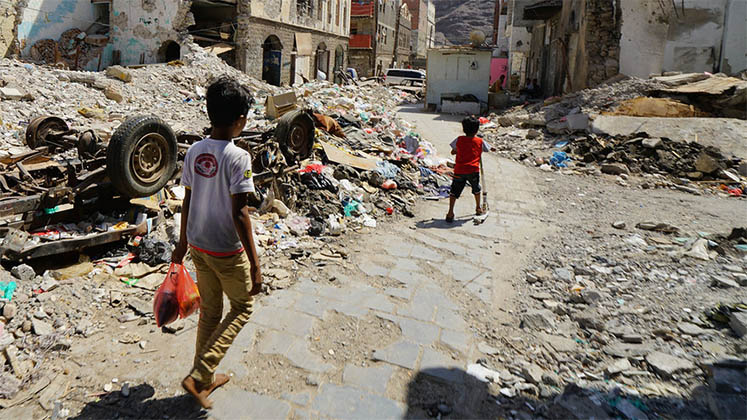
Faced with intensifying repression and state violence, there is an understandable inclination to seek safety by avoiding confrontation. But this is not always the most effective strategy.

Unpacking the Israel-Hamas Conflict
With the latest re-escalation of the Israel-Hamas conflict, it's important to understand the broader context of the conflict.
Using Collective Dialogues and AI to Find Common Ground Between Israeli and Palestinian Peacebuilders
A growing body of work has shown that AI-assisted methods -- leveraging large language models, social choice methods, and collective dialogues -- can help navigate polarization and surface common ground in controlled lab settings. But what can these approaches contribute in real-world contexts? We present a case study applying these techniques to find common ground between Israeli and Palestinian peacebuilders in the period following October 7th, 2023. From April to July 2024 an iterative deliberative process combining LLMs, bridging-based ranking, and collective dialogues was conducted in partnership with the Alliance for Middle East Peace. Around 138 civil society peacebuilders participated including Israeli Jews, Palestinian citizens of Israel, and Palestinians from the West Bank and Gaza. The process resulted in a set of collective statements, including demands to world leaders, with at least 84% agreement from participants on each side. In this paper, we document the process, results, challenges, and important open questions.


Workshop: Creating Shared Goals with Emergent Strategy
Join us for the first of our Direct Democracy workshop series 📅 Creating Shared Group Goals · February 18, 2022 12:00 AM → February 18, 2022 1:30 AM (UTC) Starting in February, the Brigade Network will be convening a series of six public, monthly workshops on community organizing and how to create distributed leadership, deliberation, and clear decisionmaking processes. This workshop is free and open to the public. Its lessons will be specific to Brigade organizing, but applicable to people who...


Binding Chaos: Mass Collaboration on a Global Scale
The world is long overdue for a completely new system of governance. If there was ever a need for political representation or a paternalistic and opaque authority, it has been removed by technology. Every political system we have tried has proven incapable of protecting human rights and dignity. Every political system we have tried has devolved into oligarchy. To effect the change we require immediately, to give individuals control and responsibility, to bring regional systems under regional governance, allow global collaboration and protect the heritage of future generations, we need a new political model.