


The story of why it is important to make sure that it is easy to switch from one service to another.
The $70B Open Source Software Paradox
It’s no news that over the last 10-15 years, particularly noticeable in the last 5 years, the enterprise software industry has gradually transformed from complex, expensive, closed-source (proprietary) software stacks to extensible/configurable,...

The Case for ‘Developer Experience’
How are developers supposed to manage and coordinate fast-moving, heterogeneous systems including maintenance & operations — and free themselves to build?

A critical juncture for public cloud providers
As more enterprises leave the cloud or express real concern with rising prices, vendors must adapt to retain enterprise customers.

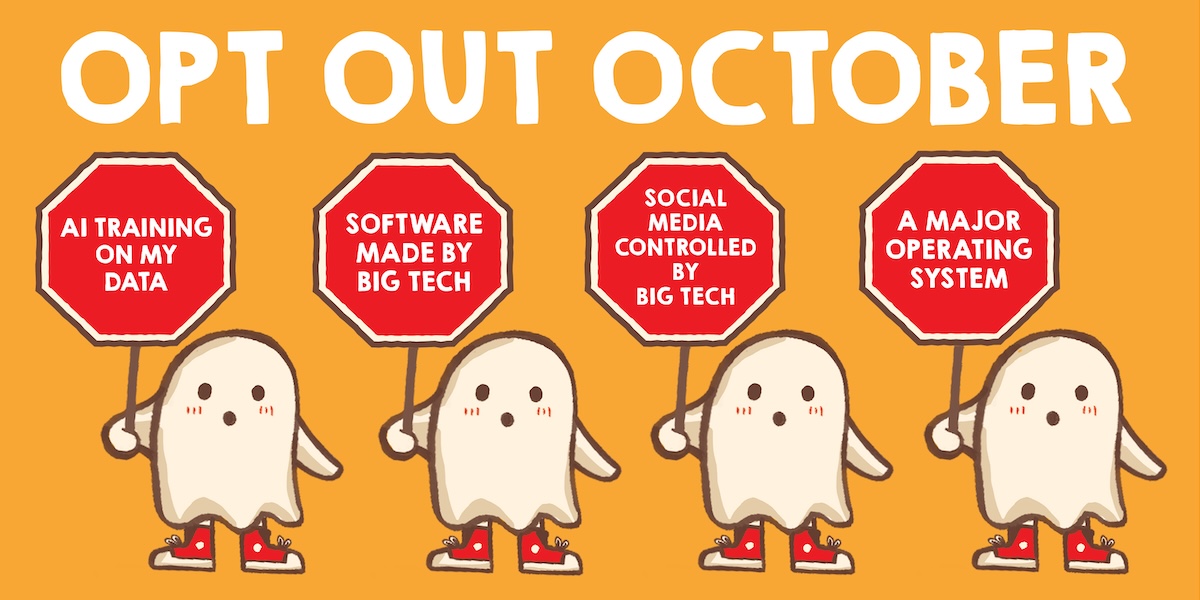
How to Opt Out of Software Made by Big Tech
Big tech companies make the devices we use and the operating systems that come on them. They also make the bulk of the default software that comes packed into those operating systems. But spend even
Red Hat chief calls for open source missionary work
Time for customers to swap code

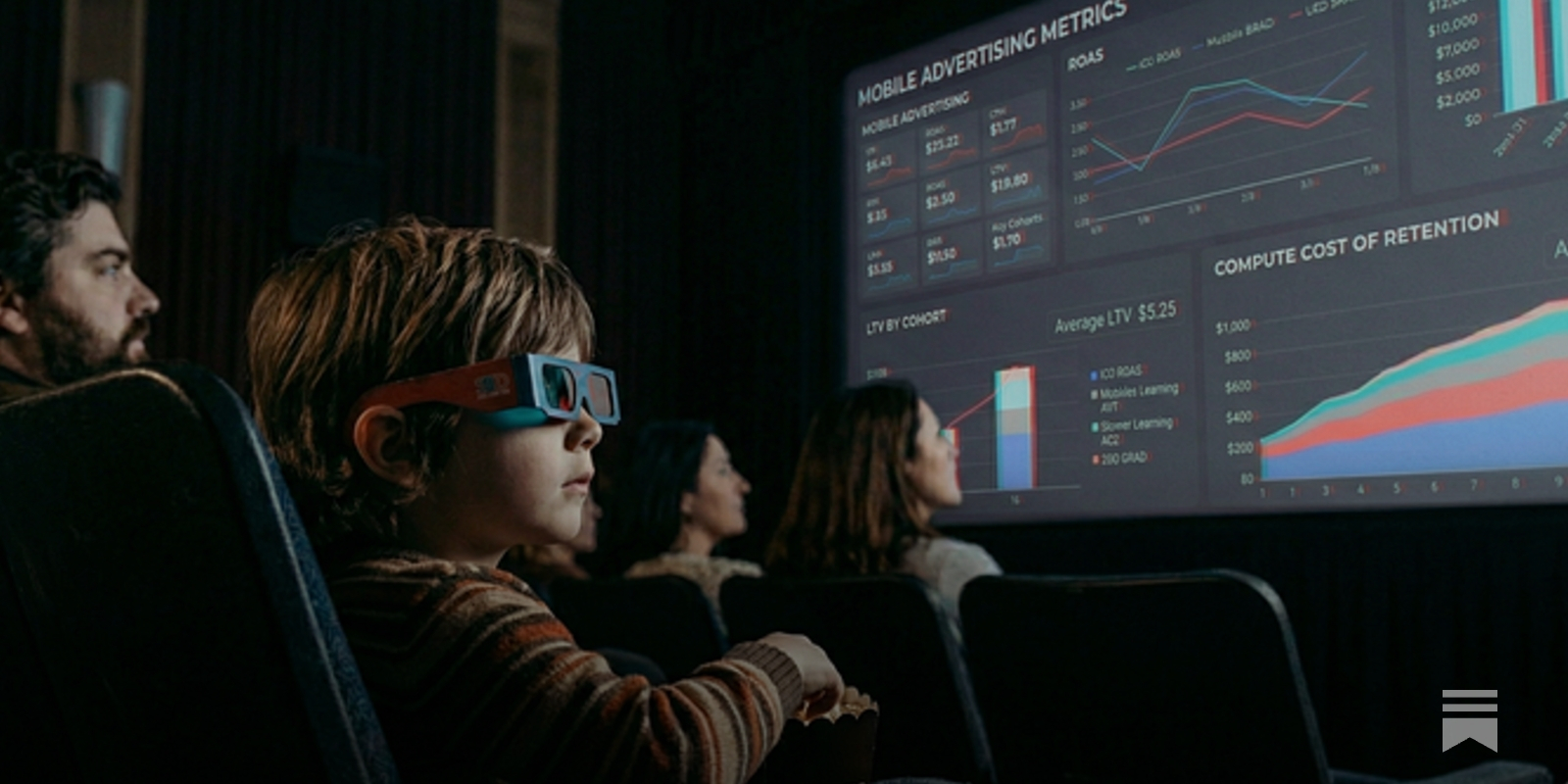
Three-Dimensional Unit Economics: The Compute Cost of Retention
Why AI-native apps need a new financial framework. And a new metric to run it.
The next wave in software is open adoption software | TechCrunch
There’s a big shift happening in how enterprises buy and deploy software. In the last few years, open technology -- software that is open to change and free to adopt -- has gone from the exception to the rule for most enterprises. We’ve seen the IT stack redrawn atop powerful open-source projects, with developers opting for an “open-first” approach to building solutions.

The Economics of Software Teams: Why Most Engineering Organizations Are Flying Blind
A breakdown of what software development teams actually cost, what they need to generate to be financially viable, and why most organizations have no visibility into either number.

psf (@psf@oldbytes.space)
In their article ["Malleable Software"](https://www.inkandswitch.com/essay/malleable-software), Ink & Switch list various ways that modern software applications fail to serve the user: - Software is too rigid: users can’t tailor it to suit their workflow, except by entering the role of programmers. - Software applications are overspecialized "avocado slicers", not general tools like "knives", so their lack of tailorability is keenly felt. - Software doesn’t provide a reasonable learning curve from beginner to expert; in other words, time spent learning an application doesn’t unlock tailorability, instead the end user must learn an unrelated skill like a markup/scripting language or even the tool’s implementation language. - Software applications are increasingly siloed, so sharing data between apps, let alone orchestrating cross-app workflows, is overly difficult. These are real problems. From what I can tell, Ink & Switch are software researchers, and view the problems from a highly technical perspective, focusing on novel infrastructure that enables end-user programmability. They pose questions such as "how do we ease users into programming?" and "instead of shipping a dead, static binary, can we ship a living image containing programming tools allowing it to be modified in arbitrary ways while still running?" These ideas are technologically exquisite, but they fail to provide a gentle learning curve. (cont'd) 🧵
The Tyranny of the Marginal User
why consumer software gets worse, not better, over time

In Thrall to Scarcity
As I’ve talked about in this space in the past, I’ve been coming to some conclusions about free software (open source, or whatever you want to call it): the economics of it, like anythi…

Code Is Cheap Now. Software Isn’t.
The barrier to entry for building software has collapsed. The barrier to building something that matters hasn’t moved an inch.
Pricing
Flexible pricing tiers for developers: Free tier with 50 credits, Pro at $20/month, Pro+ at $40/month, and Power at $200/month.
Differ - Adaptive Software
Build software that adapts to each user — without forks or feature flags. One codebase, infinite variants.


