

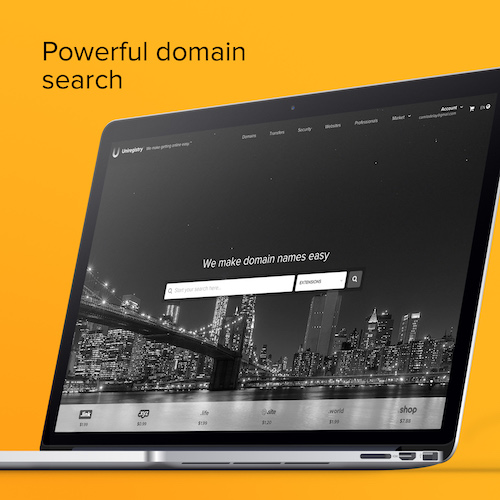
Today we’re excited to announce an important sponsorship partner in our Ethical Advertising campaign: Uniregistry. Our goal with our ethical advertising program is to provide important funding for open source, and show that it can be done ethically – without tracking our users and only offering a...
Using Ads to Sustain Open Source
Why someone who loves Privacy Badger, uses a non-tracking browser, and never cared for ads, is advocating their ethical use for open…
Ads and Ad blockers
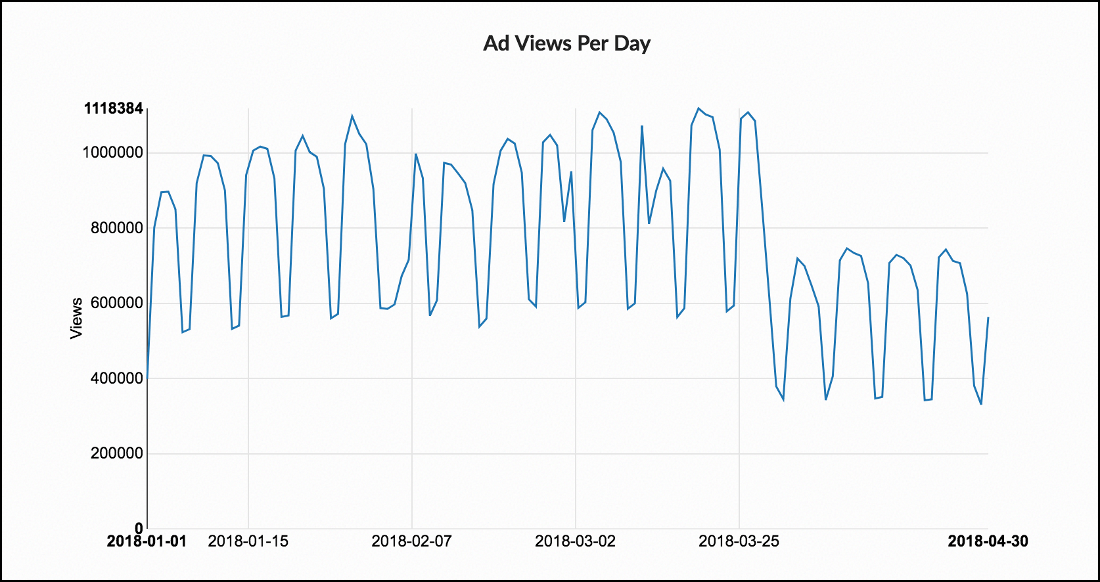
Last time, we shared how ethical advertising works to keep Read the Docs sustainable without creepy ad targeting. This time, we will share about one of our biggest challenges with advertising. At the beginning of April, Read the Docs was added to one of the most popular ad block lists: the Easyli...
Running ads with Sentry
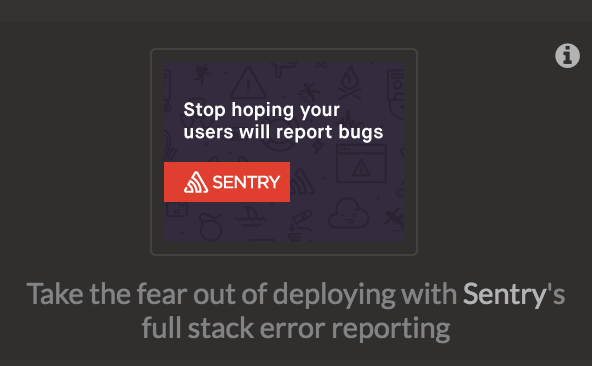
We’re excited to announce our first partner in our Ethical Advertising campaign: Sentry. Sentry was a natural first partner, both because they have a long history supporting and contributing to the open source community, and because they also strive to support open source while building a sustain...
Sorting out the Ethical Licensing Mess
Software developers who give the world, for free, usage rights to the code they write often use open source licenses to make this gift legally explicit. These free usage rights (and then some) are …

A letter to tech CEOs
A letter to tech CEOs

Unlocking the commons
"The most powerful and interesting media model will remain raising money from members who don't just permit but <em>insist</em> that the product be given away for free."

Licenses – Open Source Initiative
The content on this website, of which Opensource.org is the author, is licensed under a Creative Commons Attribution 4.0 International License.Opensource.org is not the author of any of the licenses reproduced on this site. Questions about the copyright in a license should be directed to the license steward. Read our Privacy Policy

Nobody pays for open source. We can force them to. | Seldo.com
Thirty years of voluntary funding schemes haven't paid open source maintainers because asking doesn't scale. The real money already flows — to JFrog, Docker, Sonatype — at the registry layer. The fix: registries charge companies for supply (they already do), then route a slice automatically to the maintainers who make that supply worth having.
Unlicense Yourself: Set Your Code Free
An initiative to help software developers waive their copyright and dedicate their work to the public domain by offering a standard template and process for disclaiming copyright interest in software, both for original authorship and for contributions.
Some startups are going ‘fair source’ to avoid the pitfalls of open source licensing | TechCrunch
New alternative category to 'closed source' could help companies monetize software in the open -- without going all-in on open source.

Today we're launching the Open Source for Science Fund, a new multi-donor philanthropic fund by Renaissance Philanthropy, seeded by @biohub.org and @wellcometrust.bsky.social, with support from @kavlifoundation.org and @researchsoftware.bsky.social 🧵 os4science.org/news/open-source-for-science-…

Open Source for Science Fund Launches to Power AI-Driven Discovery
os4science.orgPretty stoked to unveil something I’ve been working on for a few months: AtmoPay - a Payment Service Provider aiming at providing creators a monetization rail on the Open Web. atmopay.birdsongapps.com
Pretty stoked to unveil something I’ve been working on for a few months: AtmoPay - a Payment Service Provider aiming at providing creators a monetization rail on the Open Web. atmopay.birdsongapps.com

