Reducing the friction between work that has meaning and work that pays well.
CMV: The labor theory of value is flawed
72 votes, 407 comments. This might be an obscure topic, however, in some—largely Marxist circles— the approach seems to motivate much of the dialogue…
Tradeoffs: The Currency of Decision Making
The disregard of tradeoffs and opportunity costs play out in the same pattern again and again in our lives. Every decision we make carries an opportunity cost. If we don’t budget wisely, we end up wasting time and energy on things that don’t matter. Here’s how to do it right.
Pay Enough or Don't Pay at All*
Abstract. Economists usually assume that monetary incentives improve performance, and psychologists claim that the opposite may happen. We present and disc

What is Money, Anyway?
Editor’s Note: This topic is now comprehensively covered in my book, Broken Money. Money is a surprisingly complex subject. People spend their lives seeking money, and in some ways it seems so straightforward, and yet what humanity has defined as money has changed significantly over the centuries. How could something so simple and so universal, […]

Quotes
I have a theory, which has not let me down so far, that there is an inverse relationship between imagination and money. Because the more money and technology that is available to [create] a work, the less imagination there will be in it.
Quotes
I have a theory, which has not let me down so far, that there is an inverse relationship between imagination and money. Because the more money and technology that is available to [create] a work, the less imagination there will be in it.
Doing what you love when the money won’t follow
I have frequently been critical of the advice given by baby boomers to “do what you love and the money will follow”. After the hard experience of my generation and the ones following it…



a simple (local) solution to the pay gap — wingolog
wingolog: article: a simple (local) solution to the pay gap
Cut me some slack! How perceptions of financial slack influence pain of payment
Abstract Consumers often experience pain of payment, a tug of negative affect that holds back their spending. While the literature has long viewed pain of payment as self‐regulatory in nature, it has left the dynamics of self‐regulation that lead to the pain of paying largely unaddressed. In self‐regulation, affect arises when people move away from a goal they hold. Thus, understanding the specific goals that people consider when making a payment can help us better predict when pain of payment will arise. We propose that people have a goal to maintain financial slack, and that violating this goal contributes to pain of payment. Thus, people experience more pain of payment when the goal to maintain financial slack is stronger or when it is particularly salient that a purchase entails losing financial slack. Critically, subjective changes in financial slack are not equivalent to objective changes in wealth, altering pain of payment for economically equivalent trades. This research contributes to the existing literature by identifying a novel antecedent to the pain of payment. It additionally expands our understanding of people's preferences between payment systems. Finally, it offers guidance to practitioners who wish to minimize pain of payment among their consumers.

What will be scarce?
The economics of structural change and the post-commodity future of work
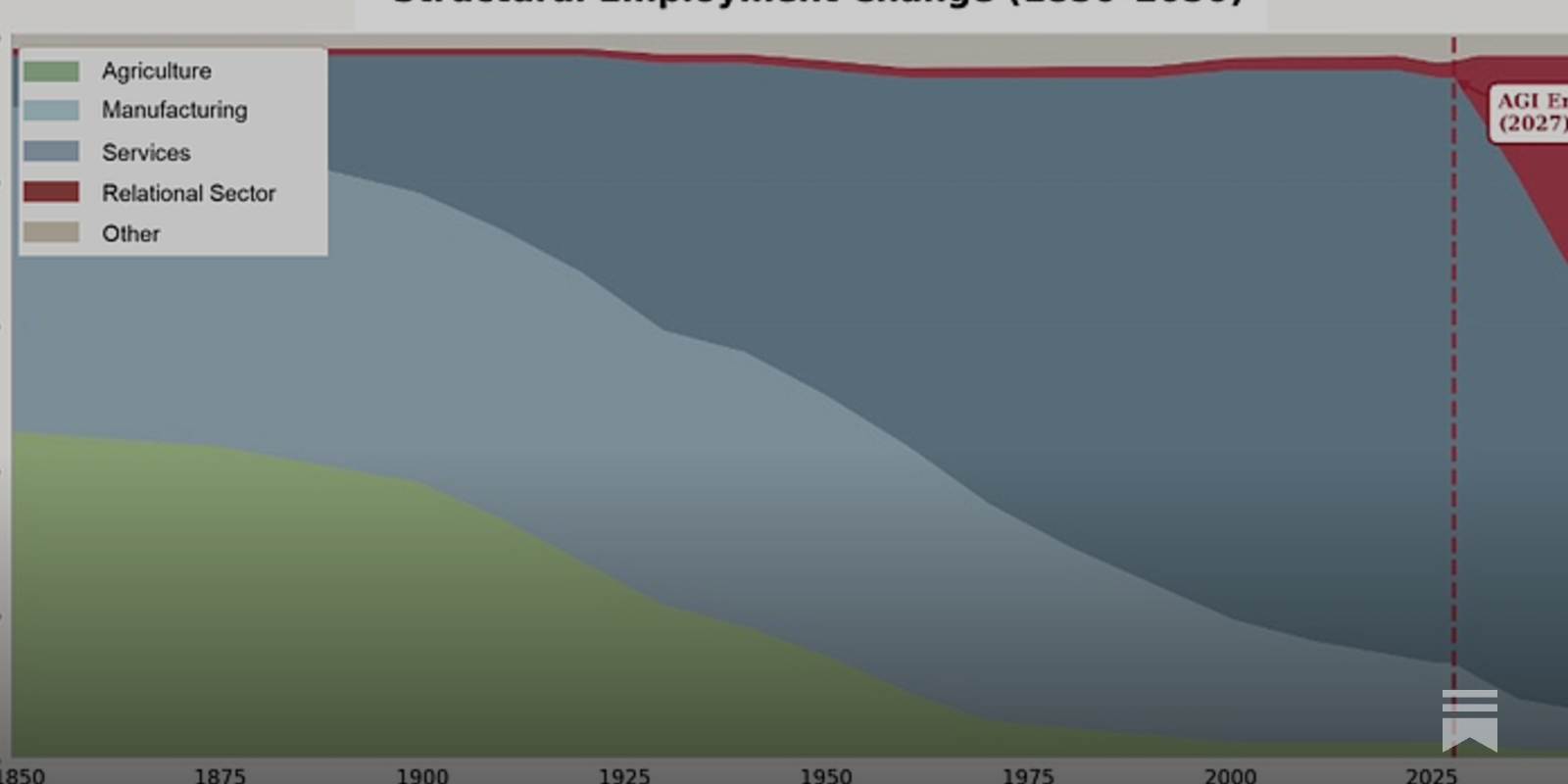
More work for your labor-value - The Wobbly World of Miftah's Words
...and more exploitation for your location.
The Case for Lowering Your Expectations
It may be the key to happiness and sustainable performance

The hidden reason why work cannot work for most of us, and our planet.
Four steps for business to work for all: from wealth generation through human fulfilment to the climate crisis and all SDG — Lessons from…

How to make Slack less bad for you | Robert Heaton
Slack claim to be in the business of "making your working life simpler, more pleasant, and more productive". We’re about to be cynical, so let’s acknowledge that this claim is probably at least par...