


Over the past couple of weeks there has been a little website making the rounds. [On the site the user is asked just 25 questions]( — each question about word choice. It’s a multiple choice quiz fo…
The web should remain anonymous by default | The Mozilla Blog
The unique architecture of the web enables a much higher degree of user privacy than exists on other platforms. Many factors contribute to this, but an ess

People use anonymous question apps to learn about the world and themselves
Maybe they’ll confess a crush, too

Anonymity, Pseudonymity, and Deliberation: Why Not Everything Should Be Connected
Click on the article title to read more.

Anonymity, Pseudonymity, and Deliberation: Why Not Everything Should Be Connected
Click on the article title to read more.

It Ain't All About Sign-Ups, Strangers Are People Too
In community management, we often want to track sign-ups, but tracking anonymous users is as critical and gives us important clues. Here's why.

Revisiting Keyed-Verification Anonymous Credentials
This summary was generated using automated tools and was not authored or reviewed by the article's author(s). It is provided to support discovery, help readers assess relevance, and assist readers from adjacent research areas in understanding the work. It is intended to complement the author-supplied abstract, which remains the primary summary of the paper. The full article remains the authoritative version of record. Click here to learn more.

Anonymous LLCs: A Guide to Understanding Their Benefits and Drawbacks
What is an Anonymous LLC? An anonymous LLC (limited liability company) is a type of business structure in which the public has no access to the owners' identities. This means that the names of ...

Deliberation and Identity Rules: The Effect of Anonymity, Pseudonyms and Real-Name Requirements on the Cognitive Complexity of Online News Comments
How do identity rules influence online deliberation? We address this question by drawing on a data set of 45 million comments on news articles on the Huffington Post from January 2013 to May 2015. At the beginning of this period, the site allowed commenting under what we call non-durable pseudonyms. In December 2013, Huffington Post moved to regulate its forum by requiring users to authenticate their accounts. And in June 2014, Huffington Post outsourced commenting to Facebook altogether, approximating a ‘real-name’ environment. We find a significant increase in the cognitive complexity of comments (a proxy for one aspect of deliberative quality) during the middle phase, followed by a decrease following the shift to real-name commenting through Facebook. Our findings challenge the terms of the apparently simple trade-off between the goods and bads of anonymous and real-name environments and point to the potential value of durable pseudonymity in the context of online discussion.
Online anonymity: study found ‘stable pseudonyms’ created a more civil environment than real user names
A higher quality discussion emerged among commenters allowed to use personas instead of their real names.
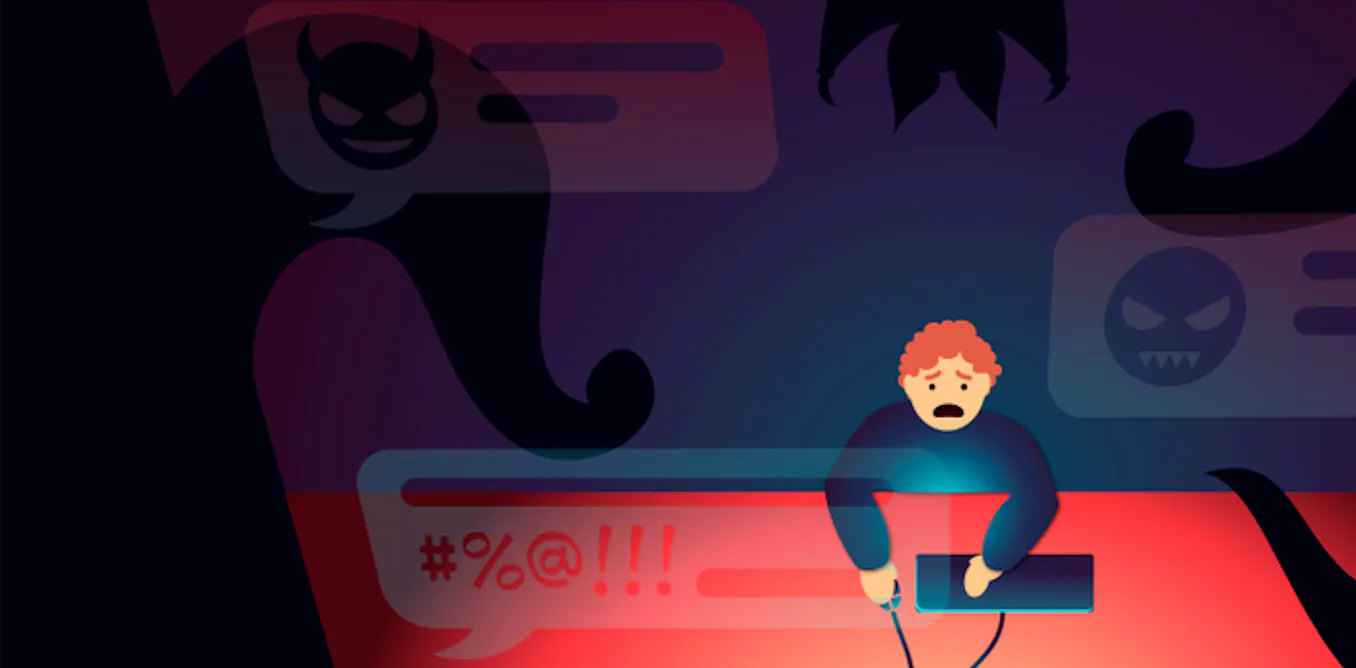
Online anonymity: study found ‘stable pseudonyms’ created a more civil environment than real user names
A higher quality discussion emerged among commenters allowed to use personas instead of their real names.
What Is an Anonymous LLC and Why Should You Consider One?
Learn what an anonymous LLC is, how it protects your privacy in Florida, and how business formation attorneys can help you form one today.

#769: Nothing you see online is true
Clipping as emergent online literacy, the women self-injecting bootleg Botox and the woes of Facebook nanny groups
make a poll ! collect anonymous votes. post automatically to bluesky. no login needed for voters. poll.brookie.blog

