

Real Time Multiplayer in HTML5 Jul 18th, 2012 | by Sven Bergström Multiplayer and browsers When you consider making multiplayer games, there are …
playhtml — make the web feel alive
Make the web feel alive with interactive, collaborative HTML elements and no backend to run.
WebRTC: Making a peer-to-peer game using JavaScript
I recently had the chance to work on a prototype for a video chat service. It was an excellent opportunity to become more closely…
CreateJS | A suite of JavaScript libraries and tools designed for working with HTML5
A suite of modular libraries and tools which work together or independently to enable rich interactive content on open web technologies via HTML5.
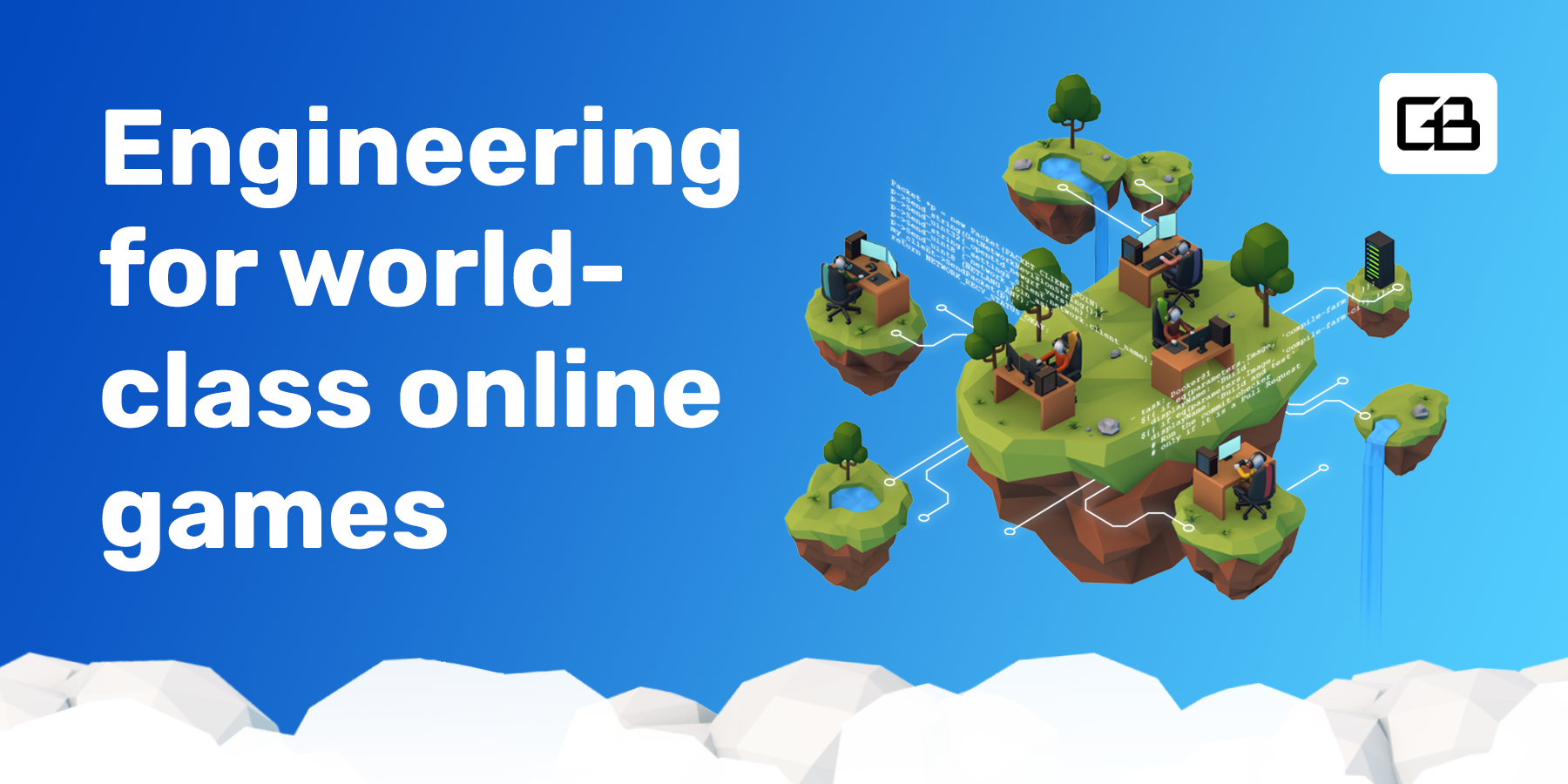
Building a Multiplayer RTS in Unreal Engine | Gamebreaking Studios
An overview of the network code for a RTS-style multiplayer game using Unreal
FolkJS Multiplayer Canvas
Running Interactive Scripts | Web Browser Engineering
The first web applications were like the previous chapter’s guest book, with the server generating new web pages for every user action. But in the early 2000s, JavaScript-enhanced web applications, which can update pages dynamically and respond immediately to user actions, took their place. Let’s add support for this key web technology to our browser.
Introducing Three-Live: turning AI-generated Three.js into interactive 3D, AR, and WebXR across web and mobile
Meet Three-Live: an Apache 2.0 library and on-device Rust/Boa compiler turning AI-generated Three.js code into glTF 2.0, USDZ, and WebXR in ≤ 50 KB.

About Superpowers - Superpowers HTML5
Superpowers is an HTML5 development environment for making 2D and 3D games. It can be extended with plugins and lets […]
Hocket
Collaborative live coding in the browser, built on ATProto. Create algorithmic music and visuals in real-time.
Sending Information to Servers | Web Browser Engineering
So far, our browser has seen the web as read-only—but when you post on Facebook, fill out a survey, or search Google, you’re sending information to servers as well as receiving information from them. In this chapter, we’ll start to transform our browser into a platform for web applications by building out support for HTML forms, the simplest way for a browser to send information to a server.
Relay - Team collaboration in Obsidian
Real-time multiplayer plugin for teams in Obsidian. Share folders, collaborate in real-time, keep personal notes private. Transform Obsidian into a powerful team collaboration tool.
A Brief Overview
A Brief Overview of Webstrates # This is an updated copy of the 2019 Medium article “A Brief Overview of Webstrates.” Introduction # We’ve very quickly gotten used to real-time collaborative software on the Web. We can write together in Google Docs, make interface mockups in Figma, edit computational notebooks in Observable, and we can share our documents simply by copying a URL. We’ve also gotten used to applications working across our devices.
Moonbounce - Multiplayer Internet Browsing - Chrome Web Store
Enter the Multiplayer Internet

Web of the People — Open Indie
Whether you think of web3 as the advent of peer-to-peer protocols, coin-operated blockchains or autocomplete-AI synthesizers, change is c...
The Browser is the Computer! by Daniel Lopez & Angel De Miguel @ Wasm I/O 2025