


Realtime rendering and videogame programming mostly, but I love computer science and visuals in all their forms. This is a notepad of my ideas.
Cyborgs vs rooms, two visions for the future of computing
Posted on Monday 13 Oct 2025. 698 words, 12 links. By Matt Webb.

Screen As Room: An Architectural Perspective on User Interfaces — Christoph Locher · Interaction Designer
With the use of video games as social spaces being observed for several years and the increased focus put on virtual social spaces due to the scarceness of physical social spaces in the last months, the concept of “spatial interfaces” is once again at the center of discussions. I want to add an alternative perspective to this, looking at the properties of physical spaces as metaphors, rather than models, for interfaces and exploring seven of them in more detail.
Resonite
A novel digital universe with infinite possibilities. Whether you resonate with people around the world in a casual conversation, playing games and socializing. Or you riff off each other when creating anything from art to programming complex games, you'll find your place here.
Procedural Bestiary and the Next Generation of CG Software
A blog on various aspects of digital art and computer graphics practice and education by visual effects artist and 3D generalist Denis Kozlov.

Drinking from the Firehose: Learning Computer Graphics Techniques and Programming
Graphics researchers waiting in the water fountain line at SIGGRAPH Yellowstone. Computer graphics as a field is broad, deep, complex, and intimidating. More than half a century of rapid progress driven by academic research and industry practices underly it. Parts delve pretty far into physics, math, signal processing, systems programming (and more). And performance is always at a premium—so simple, straightforward techniques are often not possible, and high-level programming abstractions not usable.

The CRPG Project
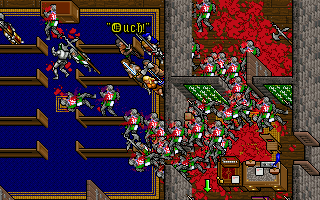
I’ve been thinking about computer RPGs a lot recently, and trying to play a bunch. There’s a quality that I’ve always loved about especially older computer RPGs: you really felt t…
Muse: Designing a studio for ideas
Physical workspaces inspire a fast, fluid digital tool for creative thinking.
Thinking with Sand: A Talk Series Exploring New Software Tools for Creative Exploration and Augmented Thinking At the MIT Media Lab
Make It So: Interaction Design Lessons from Science Fiction
Many designers enjoy the interfaces seen in science fiction films and television shows. Freed from the rigorous constraints of designing for real users, sci-fi production designers develop blue-sky interfaces that are inspiring, humorous, and even instructive. By carefully studying these “outsider” user interfaces, designers can derive lessons that make their real-world designs more cutting edge and successful

Finding Flow: Escaping Digital Distractions Through Deep Work and Slow Living
Learn how to achieve flow state and defeat digital distractions through environment design, mindful breaks, and deep work practices for a more focused life.

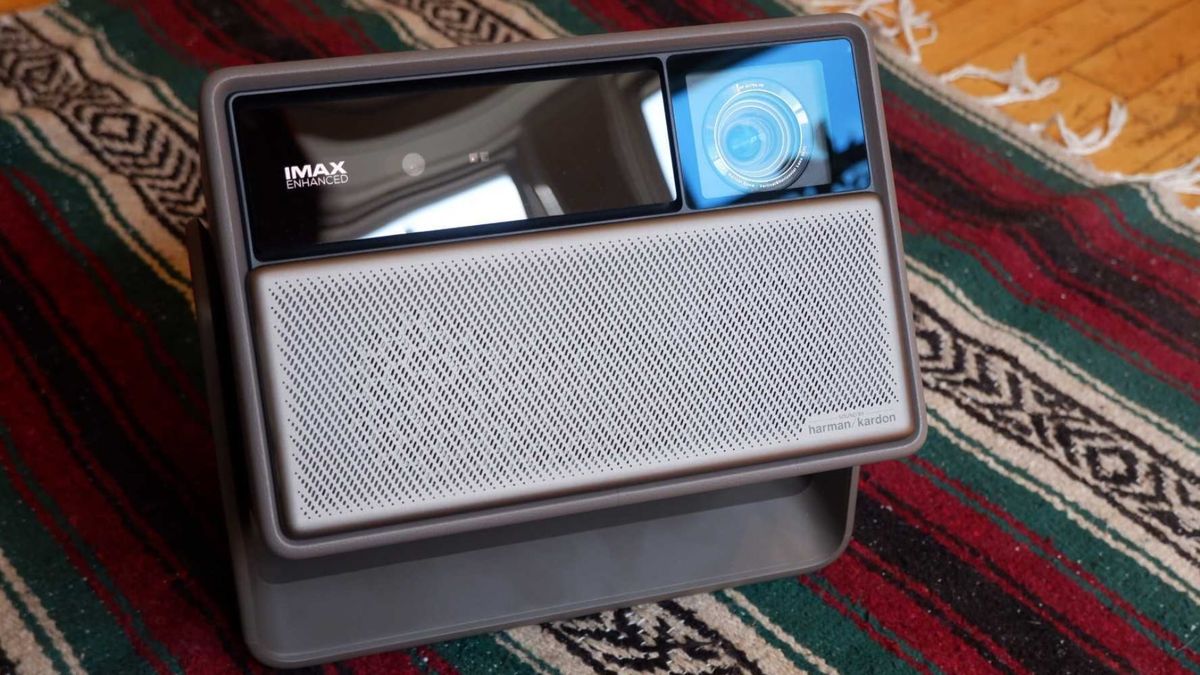
I Fear The Levels Of Film Bro I Will Become With My XGIMI Horizon 20 Projector
I now understand the mind goblins that plague PC gamers stuck in settings menus
Substrates conference series - Substrates 2026
An increasing number of researchers see their work as interactive authoring tools or software substrates for interactive computational media. By talking about “authoring tools”, we remove the divide between programmers and users; “software substrates” let us look beyond conventional programming languages and systems; and “interactive computational media” promises a more malleable and adaptable notion of tools for thought we are striving for. This workshop aims to bring together a wide range of perspectives on these matters.
Viewpoint demo — Scott Kim's PhD project, Stanford University 1988
Kyle Booten
Noöhacking1 is the title of my current research program. I use this term for ways that artists and everyday digital media users build and repurpose algorithmic tools in order to take care of their own minds/spirits, an especially challenging and important task amidst a digital milieu that seems designed to make us alienated, unintelligent, and miserable.
Feeling of Computing — Conversations