


Moving beyond superficial 'culture fit' towards shared values for building truly inclusive and effective teams.
Why A Values Fit Matters More Than A Culture Fit | TechCrunch
Almost every company today screens potential hires for cultural fit. But what constitutes a company’s culture and how can you tell if a particular person fits into this particular mold?

How to Create a Great Team Culture (and Why It Matters): Build safety, share vulnerability, establish purpose.: Queue: Vol 17, No 1
As leader of the team, you have significant influence over your team's culture. You can institute policies and procedures that help make your team happy and productive, monitor team successes, and continually improve the team. Another important part of ...

How to build internal culture on a T&S team
T&S Insider’s practical, step-by-step guide to building a T&S team that takes accountability, surfaces problems early and doesn't shy away from asking leadership hard questions.
To unlock your team, reset your culture.
"I believe there are a lot of excellent individuals working in flawed cultures." Here's a path to resetting them and finding your way to high performance.
Alternative Cultures Are Beautiful and Important. They're Also Not Enough.
"The conscious destruction of a competing ethic” and the need for organizing and direct action

How to build human connections in an async workplace
Team culture is primarily built by how you work together, not how you socialize together.
Our Overfitted Century
Cultural stagnation is because we're stuck in-distribution

Differences Between Tight and Loose Cultures: A 33-Nation Study
The differences across cultures in the enforcement of conformity may reflect their specific histories. , With data from 33 nations, we illustrate the differences between cultures that are tight (have many strong norms and a low tolerance of deviant behavior) versus loose (have weak social norms and a high tolerance of deviant behavior). Tightness-looseness is part of a complex, loosely integrated multilevel system that comprises distal ecological and historical threats (e.g., high population density, resource scarcity, a history of territorial conflict, and disease and environmental threats), broad versus narrow socialization in societal institutions (e.g., autocracy, media regulations), the strength of everyday recurring situations, and micro-level psychological affordances (e.g., prevention self-guides, high regulatory strength, need for structure). This research advances knowledge that can foster cross-cultural understanding in a world of increasing global interdependence and has implications for modeling cultural change.
How to Measure Culture Change Without Killing It
For someone who’s never been a huge fan of numbers, the topic of measurement has kept me surprisingly busy lately and – to my bigger surprise – interested. My work (my passion) is to support business and organizational transformation, through social and digital initiatives that mobilize internal or

Want to Strengthen Workplace Culture? Design a Ritual

How to build a generative engineering culture
A generative engineering culture is one where nothing seems to fall through the cracks, “we should” gets prioritized and becomes reality, and original ideas and value come primarily from engineers, rather than management. A culture like this is an engine for building capacity, quality, innovation, and sophistication.

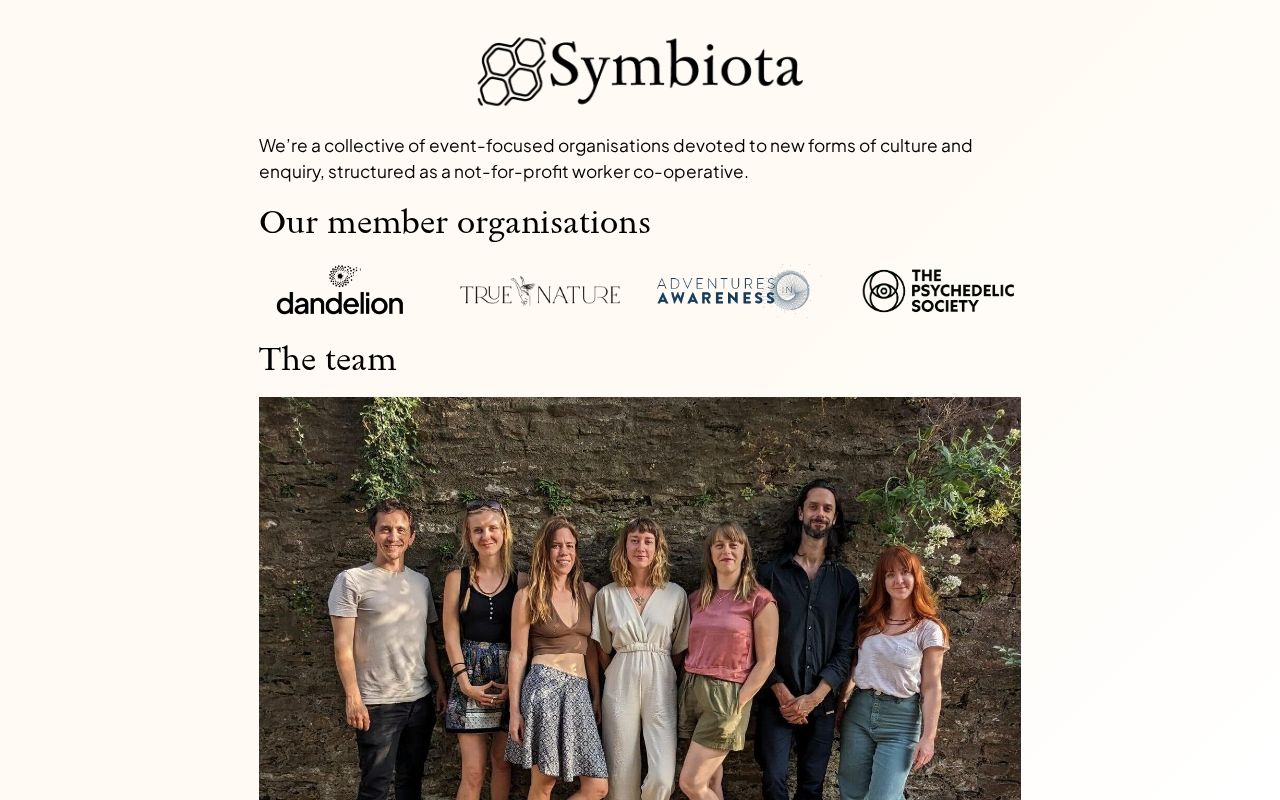
Symbiota
We’re a collective of event-focused organisations devoted to new forms of culture and enquiry, structured as a not-for-profit worker co-operative
Adopt and scale Team Topologies: platform-as-a-product, templates, more. — Team Topologies - Organizing for fast flow of value
Accelerate value with Team Topologies: measure cognitive load, define team boundaries, apply inverse Conway, readiness assessments, and more for fast delivery.


Cultural Homogenization

Links about how our societal structures are contributing to the homogenization of culture.
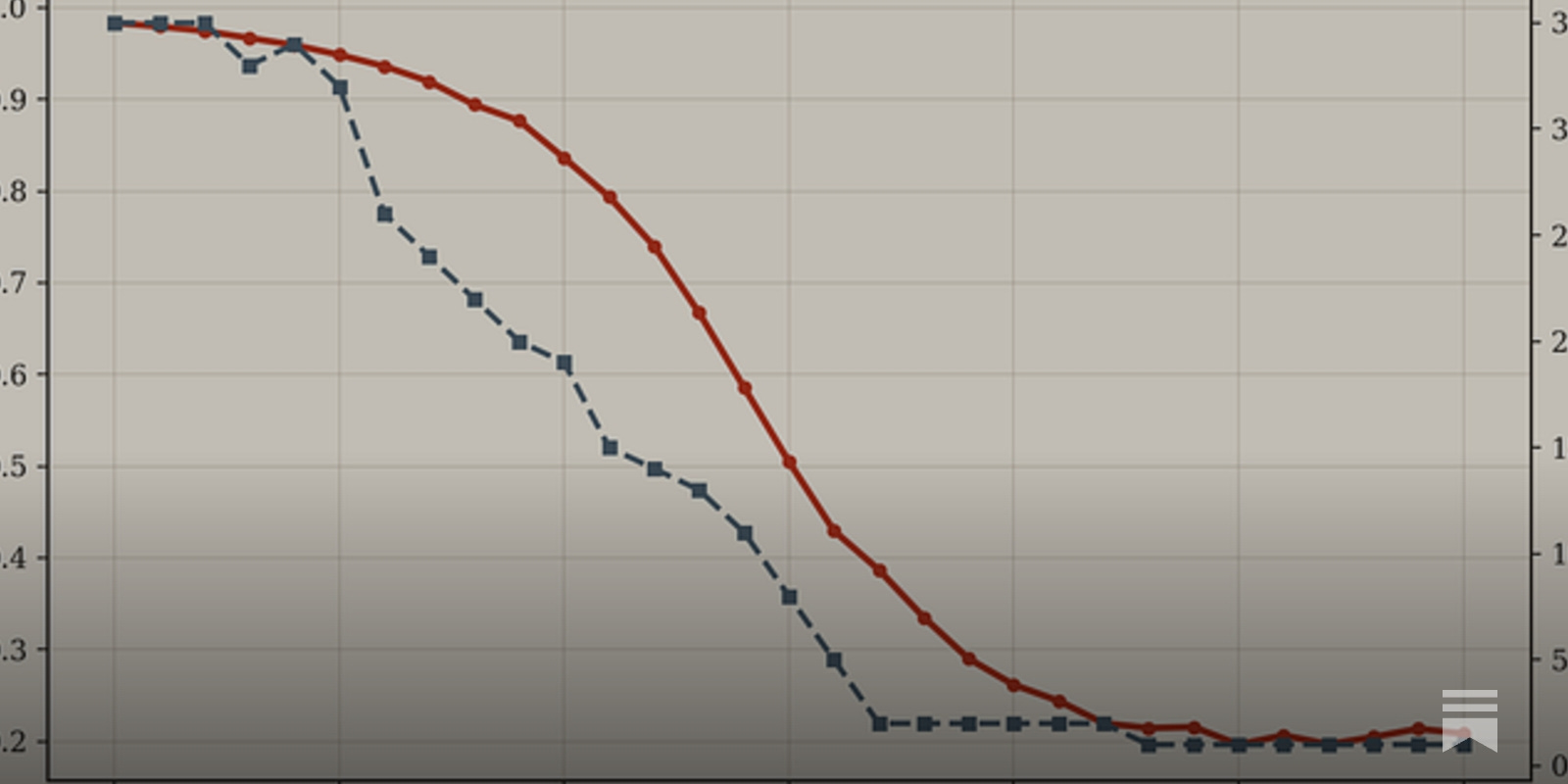
Temperature Zero for Culture: Why Everything Is Starting to Look the Same