As revisionist, autocratic states like Russia sharpen their use—and abuse—of disinformation, liberal democracies are failing to keep pace.
The Digital Maginot Line
There is a war happening. We are immersed in an evolving, ongoing conflict: an Information World War in which state actors, terrorists, and ideological…

Russia Aims to Inject Chaos Into Elections, U.S. Intelligence Finds
The Kremlin is once again seeking to undermine confidence in American democracy with online influence campaigns, U.S. officials said.

Russia Aims to Inject Chaos Into Elections, U.S. Intelligence Finds
The Kremlin is once again seeking to undermine confidence in American democracy with online influence campaigns, U.S. officials said.
We Failed The Misinformation Fight. Now What?
Defending democracy in the digital age will require moving beyond the focus of fighting online misinformation.
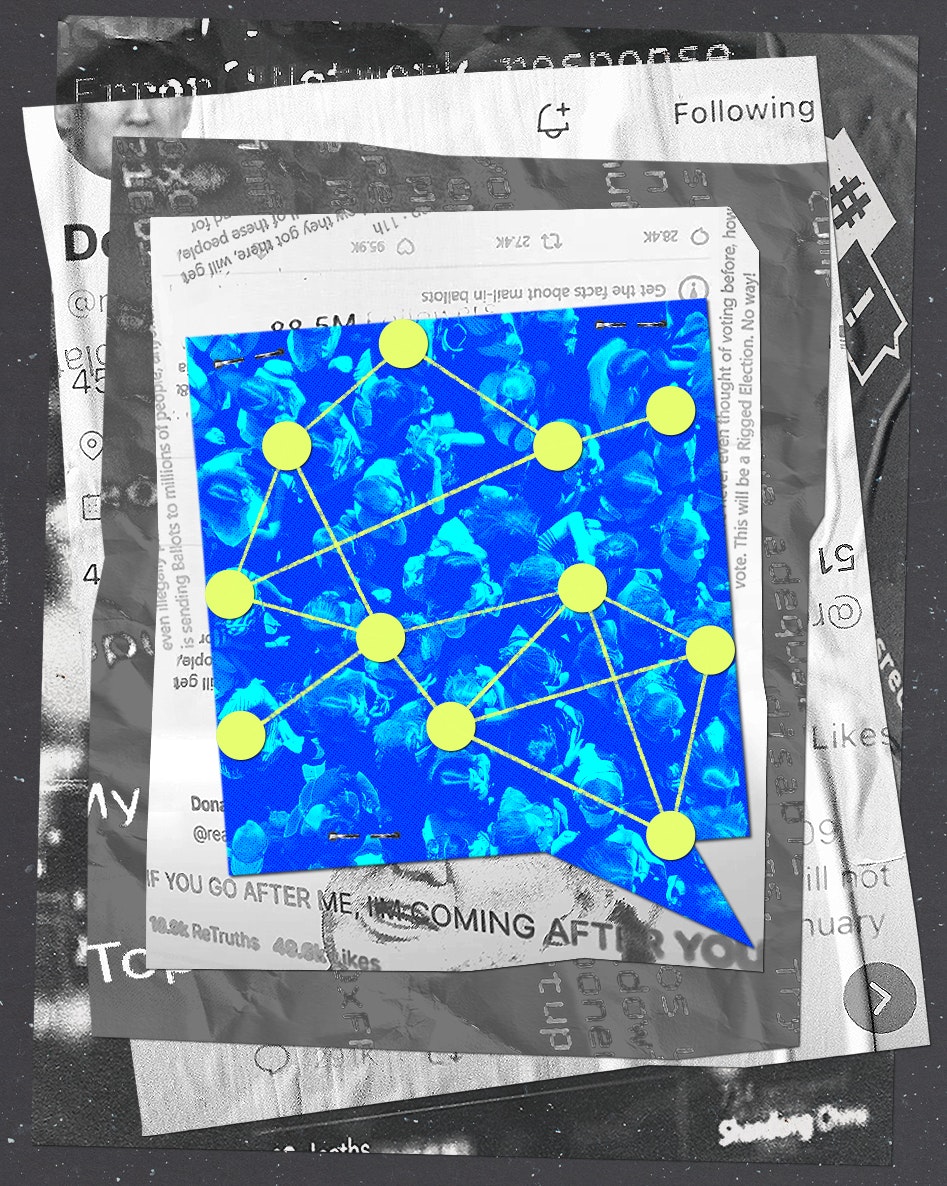
How Technology Is Shaping Modern Politics
Discover how technology is reshaping politics, from digital campaigns to AI, and the challenges of misinformation and election security.
We're getting the social media crisis wrong
The bigger problem isn't disinformation. It's degraded democratic publics

We're getting the social media crisis wrong
The bigger problem isn't disinformation. It's degraded democratic publics
We're getting the social media crisis wrong
The bigger problem isn't disinformation. It's degraded democratic publics
Russian disinformation campaign sets sights on US midterms
A Russian disinformation operation has turned its attention to the US midterm elections, unleashing a series of deepfake videos that depict celebrities attacking Democrats, researchers said, with more…

Operation InfeKtion: How Russia Perfected the Art of War | NYT Opinion
When Do Parties Lie? Misinformation and Radical-Right Populism Across 26 Countries - Petter Törnberg, Juliana Chueri, 2026
The spread of misinformation has emerged as a global concern. Academic attention has recently shifted to emphasize the role of political elites as drivers of mi...

These LLMs are the best at resisting Russian propaganda
Estonian government benchmark shows how dozens of models combat Russia's "strategic narratives."
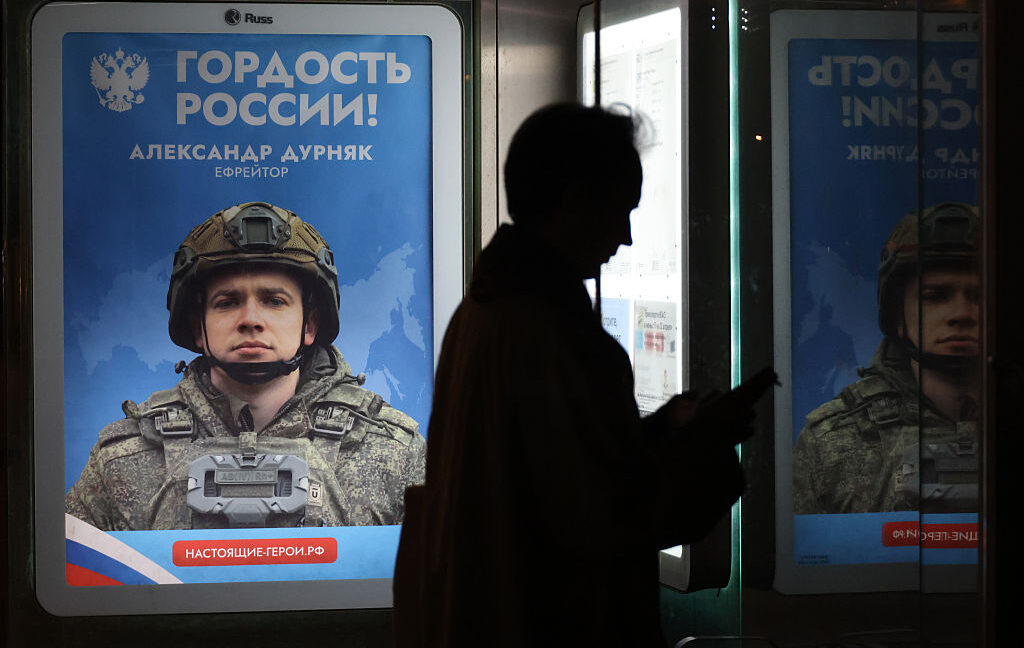
Leaked Documents Outline DHS’s Plans to Police Disinformation
Under the guise of counterterrorism, the government is accelerating pressure on social media companies to crack down on speech the feds deem disinformation.

When Do Parties Lie? Misinformation and Radical-Right Populism Across 26 Countries
The spread of misinformation has emerged as a global concern. Academic attention has recently shifted to emphasize the role of political elites as drivers of misinformation. Yet, little is known of the relationship between party politics and the spread of misinformation—in part due to a dearth of cross-national empirical data needed for comparative study. This article examines which parties are more likely to spread misinformation, by drawing on a comprehensive database of 32M tweets from parliamentarians in 26 countries, spanning 6 years and several election periods. The dataset is combined with external databases such as Parlgov and V-Dem, linking the spread of misinformation to detailed information about political parties and cabinets, thus enabling a comparative politics approach to misinformation. Using multilevel analysis with random country intercepts, we find that radical-right populism is the strongest determinant for the propensity to spread misinformation. Populism, left-wing populism, and right-wing politics are not linked to the spread of misinformation. These results suggest that political misinformation should be understood as part and parcel of the current wave of radical right populism, and its opposition to liberal democratic institution.
Misinformation reloaded? Fears about the impact of generative AI on misinformation are overblown
Many observers of the current explosion of generative AI worry about its impact on our information environment, with concerns being raised about the increased quantity, quality, and personalization of misinformation. We assess these arguments with evidence from communication studies, cognitive science, and political science. We argue that current concerns about the effects of generative AI

The state has lost control: tech firms now run western politics
Democracy is under threat from rising inequality and terrorism. Google and Facebook have taken over