


Twitter: @progpaintings Painters and Hackers: nothing in common whatsoever, but this is software...
paint: a timeline — Kristen Roos
This timeline is the result of researching the origins of digital paint and draw software, and the tools that were developed to allow for hand manipulation (versus plotter drawn) drawing and painting - the mouse, light pen & drawing tablet. If we look at the software that has become commonplace today (such as adobe photoshop), which allows for painting, animation and photo manipulation in one, we can trace the roots of this software to the University and Corporate Labs that housed large computers with advanced capabilities for their time - MIT Lincoln Labs & Radiation Labs, DARPA & the Augmented Research Centre (ARC), Bell Labs, NYIT’s Computer Graphics Lab, Xerox Palo Alto Research Centre (Xerox PARC), NASA’s Jet Propulsion Labs (JPL). The artistic collaborations that grew out of these labs fueled the advent of Computer Graphics, Computer Art and Video Art from the 1960's to the 1990's.
Digital Art Enters the Museum Age — Social Software
We explore code and systems as a medium for creating new forms of art. We consider "software" in an expanded sense, examining the ways that we are programmed by technology around us and the ways we can write software to make change in the world.
Art Prompt Generator Drawing Prompts
Your art bestie 🎨 Learn watercolor painting, modern calligraphy, drawing, Procreate, gouache...and more! Plus cruelty-free art supplies that give back.

Crafting Apps: open-source creative tools
Image editing, vector illustration, video, photography, PDFs, motion graphics and page layout: seven native, open-source apps from the ArtCraft team, built in Rust and free to use.
Permacomputing Aesthetics: Potential and Limits of Constraints in Computational Art, Design and Culture · Ninth Computing within Limits 2023
Permacomputing is a nascent concept and a community of practice centred around design principles that embrace limits and constraints as a positive thing in computational culture, and on creativity with scarce computational resources. As a result, permacomputing aims to provide a countervoice to digital practices that promote maximisation, hyper-consumption and waste. It seeks to encourage practices as an applied critique of contemporary computer technology that privileges maximalist aesthetics where more pixels, more frame rate, more computation and more power equals more potential at any cost and without any consequences. We believe that such a critical practice can be relevant to artists, designers and cultural practitioners working with computer and network technology who are interested in engaging with environmental issues. This is particularly relevant given the tendency in art, design and cultural production to rely on tools and techniques designed to maximise productivity and mass consumption. In this paper, we argue for the potential of permacomputing as a rich framework for exploring creative design constraints building on a long history of applying constraints in art, design and cultural practices. Because of the need to reconfigure the modes of production and organisation within computational practices, this calls for a different understanding of aesthetics, one that goes beyond the formal evaluation of how things look, but addresses how aesthetics can also be systems of relations, sensing and making sense that are already present in the process of making. We will also discuss the challenges faced by permacomputing practitioners, such as the complicated link with retro-computing, post-digital culture and nostalgia, as well as the problem of constraints in relation to the aesthetisation of poverty, and more generally what it means to work with self-imposed limits in a more privileged socioeconomic context.

Drinking from the Firehose: Learning Computer Graphics Techniques and Programming
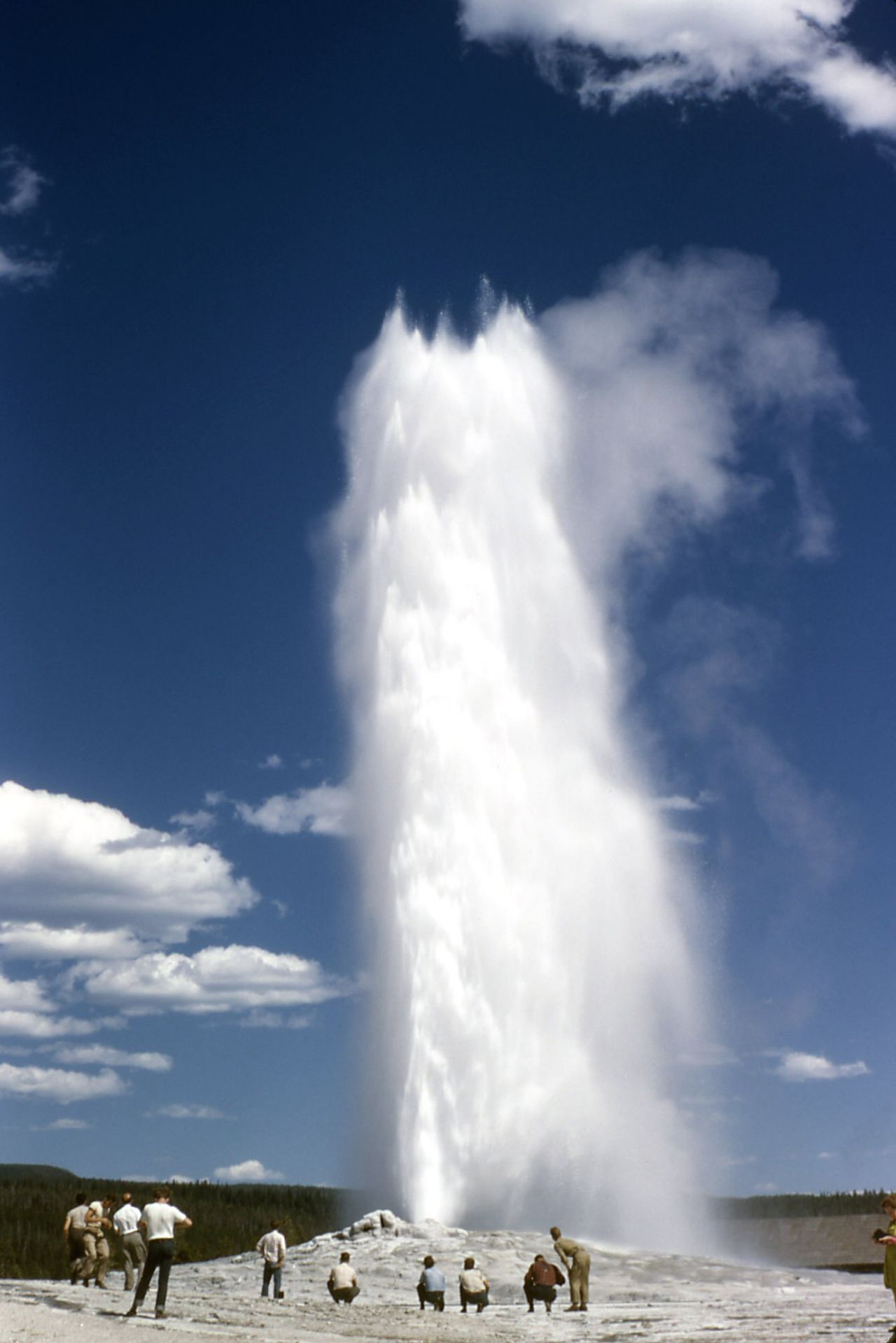
Graphics researchers waiting in the water fountain line at SIGGRAPH Yellowstone. Computer graphics as a field is broad, deep, complex, and intimidating. More than half a century of rapid progress driven by academic research and industry practices underly it. Parts delve pretty far into physics, math, signal processing, systems programming (and more). And performance is always at a premium—so simple, straightforward techniques are often not possible, and high-level programming abstractions not usable.
Alex Tardif: Graphics Programmer
The Art of Code - Dylan Beattie
Procedural Bestiary and the Next Generation of CG Software
A blog on various aspects of digital art and computer graphics practice and education by visual effects artist and 3D generalist Denis Kozlov.

Paint.NET
You're probably looking for the Paint.NET application for Windows. Click here to go there!
Creative Code Denver | Meetup
This group is for people interested in exploring code as a creative medium. It's also for helping people find creative collaborators. (AI stuff is off-topic)**"Who should join?"*** Anyone, at any skill level, who's interested in programming in the context of the arts—whether visual, or sonic, or tac

Glaze - Protecting Artists from Generative AI
Artgram - Professional Art Platform
Showcase your talent to the world with our professional art portfolio platform. Create a stunning online presence, connect with Studios, Artists, and art lovers.

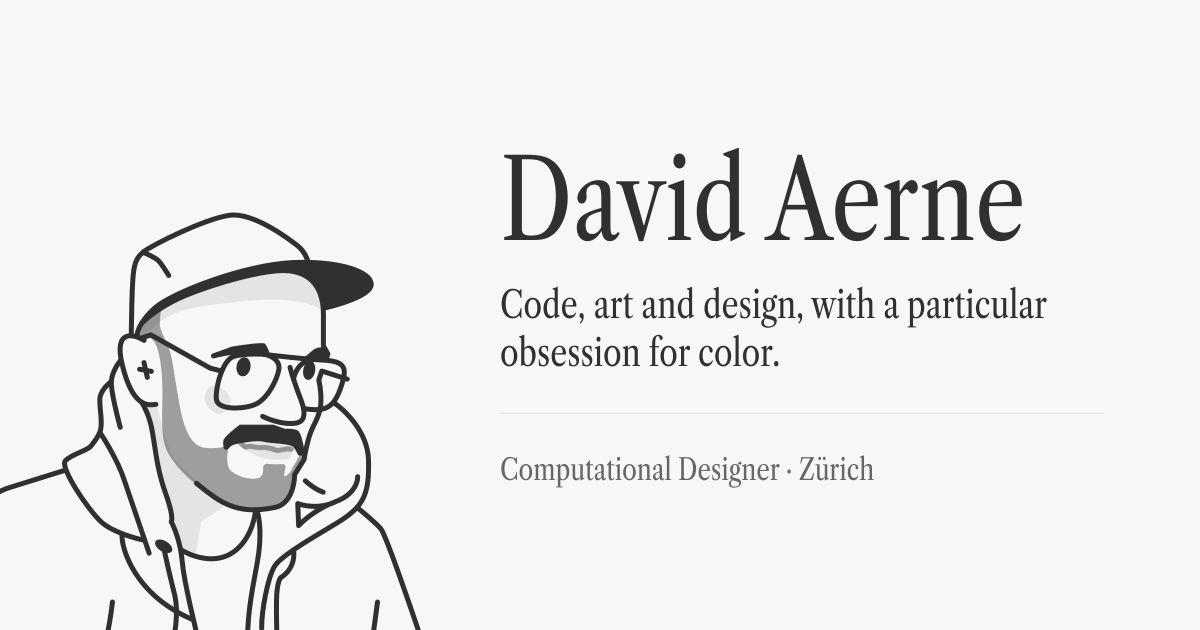
David Aerne · Computational Designer
David Aerne works between code, art and design in Zürich, with a particular obsession for generating beautiful, useful color palettes with algorithms.
(iterate think thoughts): Painting with Gaussians
Dmitri's blog about programming, Clojure, and software development