

This is an essay about what it means to teach a kid to program, using Seymor Paperts groundbreaking book Mindstorms as a reference.
Forget coding, we need to teach our kids how to dream
Tom Goodwin on the five key attributes we should help kids develop instead of focusing on knowledge.

Childhood and Education #20: Phones and Screens
We have a respite, so I thought I’d tackle various thoughts on children, phones and screens.
LEGO® MINDSTORMS®| About | Official LEGO® Shop US
LEGO® MINDSTORMS® is an intuitive way for kids to learn coding. Build, code and experiment with the robots and develop your coding skills the LEGO way
Learning to code is overrated: An accomplished programmer would rather his kids learn to read and reason
Mayor de Blasio is winning widespread praise for his recent promise that, within 10 years, all of New York City’s public schoolchildren will take computer science classes. But as a career programmer who founded two successful software…



Callysto: Bringing Jupyter and Computational Thinking to the K-12 Curriculum
Cybera and the Pacific Institute for Mathematical Sciences are participating in the new national CanCode program, to develop coding and digital skills from kindergarten to grade 12. With the launch of the Callysto project, we are creating tools and frameworks that help teachers bring computational thinking into their math, science, social sciences, and humanities courses - giving students the analytical skills needed to comprehend the digital world. Leveraging the Jupyter 'All-in-One' Science Platform to put friendly yet powerful compute tools in classroom settings, we are creating showcase modules and workshop training for K-12 teachers to incorporate data and computing into the broad curriculum. At this presentation, you will learn about how Callysto will: Bring computational thinking to classrooms through K-12 teacher training Create opportunities to participate in free workshop training sessions and content creation Help K-12 teachers gain public recognition for participating in this educational training project Note: This presentation is related to our 2017 BCNET presentation on "Bringing The Thunder: Deploying Jupyter Notebooks For Research, Education, And Innovation." View Slidedeck
Computational Thinking for All Students
Posted by Maggie Johnson, Director of Education and University Relations, Google(Crossposted on the Google for Education Blog, and the the Huffingt...

‘I hate what AI is doing to the minds and happiness of the young’: Katherine Rundell on the view from the classroom
Education is at a crossroads, argues the author and academic. Should we embrace new technology in the name of efficiency, or is it time to fight back?
Children of the Magenta Line
Why minimally guided AI does not work. Chatbots, novices, the automation of learning and the case for Alpha School
Parent Dictated Education | The Paper Pilot
The Paper Pilot's digital garden of thoughts on philosophy, politics, and sociology
Child Free | The Paper Pilot
The Paper Pilot's digital garden of thoughts on philosophy, politics, and sociology
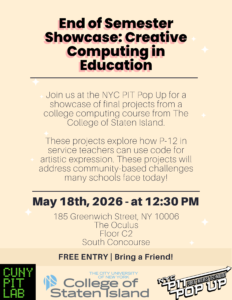
Creative Computing in Education Course Showcase
This event will showcase creative computing final projects from a College of Staten Island course that explores how P-12 in-service teachers can use code for artistic expression. These projects will […]
What Parents Need to Know About AI in the Classroom | Stanford HAI
From immersive learning and personalized tutors to lesson plans and grading, AI is everywhere in K-12 education.
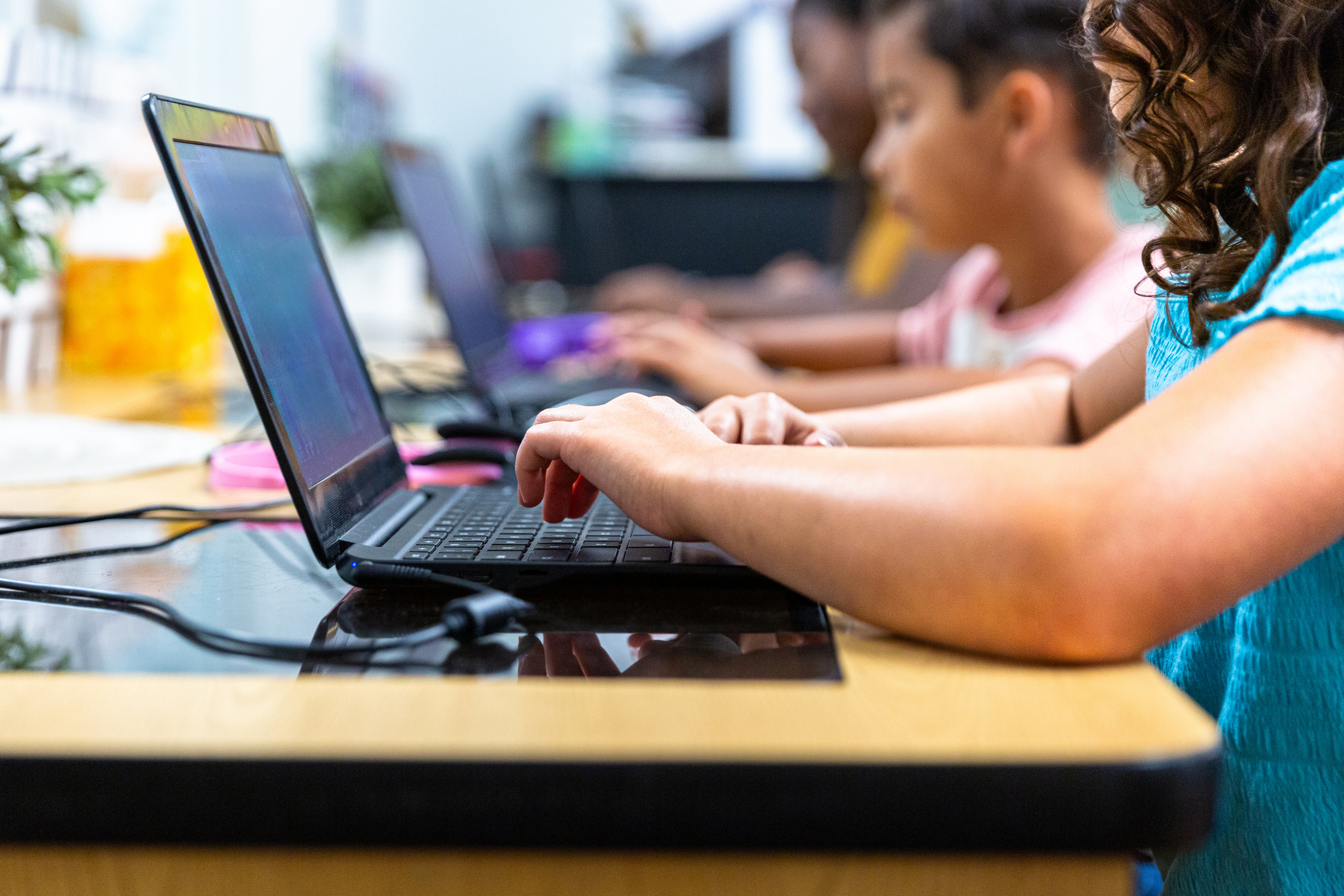
Presented our work on how friendship muda lets the expression of hierarchy in cooperation for elementary school children on the lighting talks at #ic2s2 #ic2s22026 @ic2s2.bsky.social today!
AI in the Classroom

Investigating AI usage in the classroom as a parent of a child entering the K-12 system.

NYC school system to ban AI for elementary, middle school students
Sosc Core to Institute AI Ban, Technology-Free Classrooms This Fall
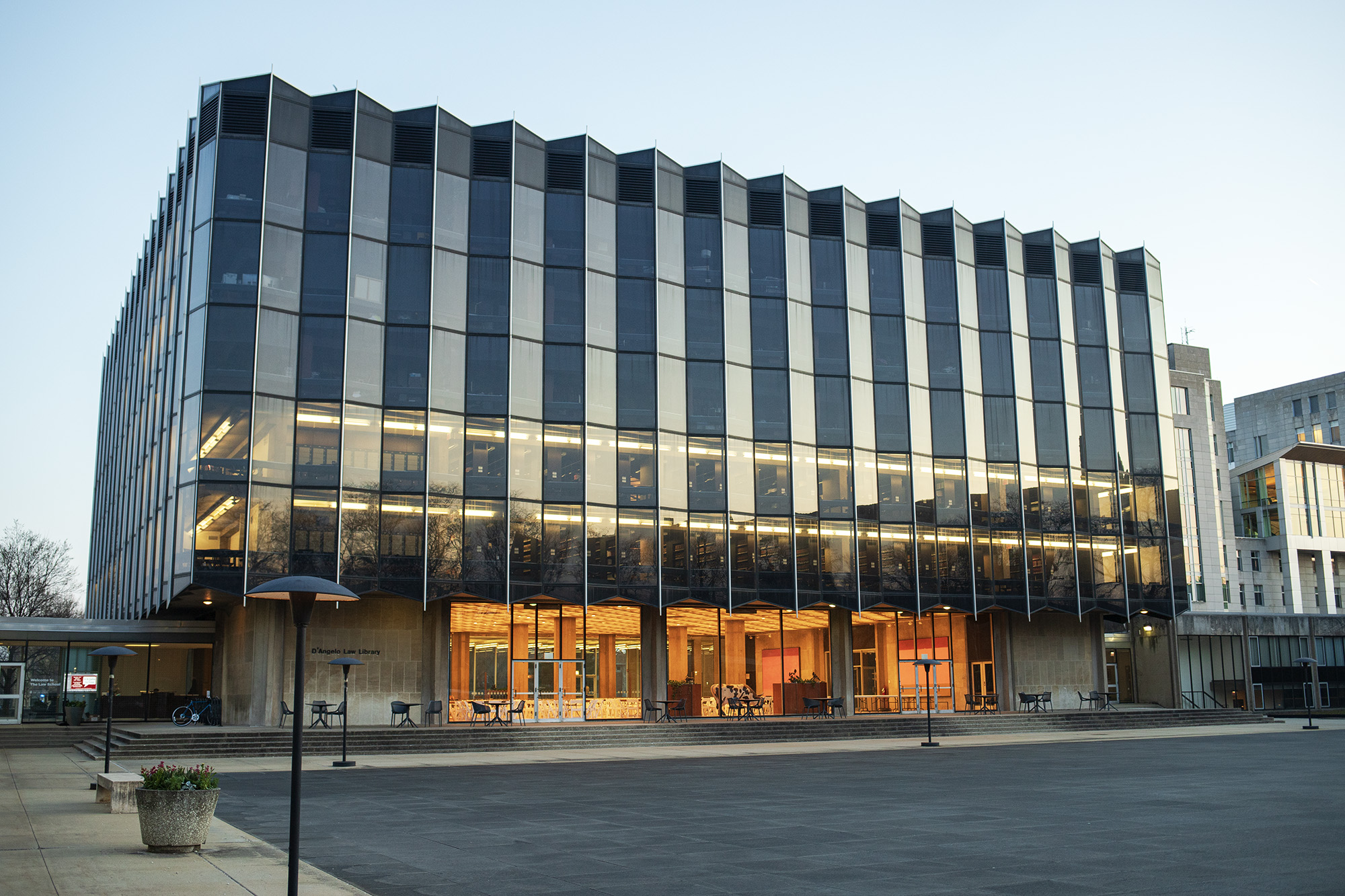
“The Template for Law Schools Around the World”: UChicago Law School Announces New AI Strategy

Does AI stop children from learning?

A new direction for students in an AI world: Prosper, prepare, protect | Brookings
What Parents Need to Know About AI in the Classroom | Stanford HAI
