

Dissecting the industry-centric bias at the core of our cultural understanding of data.
Living in Data: A Citizen's Guide to a Better Information Future (Paperback)
Jer Thorp’s analysis of the word “data” in 10,325 New York Times stories written between 1984 and 2018 shows a distinct trend: among the words most closely associated with “data,” we find not only its classic companions “information” and “digital,” but also a variety of new neighbors—from “scandal” and “misinformation” to “ethics,” “friends,” and “play.”To live in data in the twenty-first century

Data Scientist: The Sexiest Job of the 21st Century
Back in the 1990s, computer engineer and Wall Street “quant” were the hot occupations in business. Today data scientists are the hires firms are competing to make. As companies wrestle with unprecedented volumes and types of information, demand for these experts has raced well ahead of supply. Indeed, Greylock Partners, the VC firm that backed Facebook and LinkedIn, is so worried about the shortage of data scientists that it has a recruiting team dedicated to channeling them to the businesses in its portfolio. Data scientists are the key to realizing the opportunities presented by big data. They bring structure to it, find compelling patterns in it, and advise executives on the implications for products, processes, and decisions. They find the story buried in the data and communicate it. And they don’t just deliver reports: They get at the questions at the heart of problems and devise creative approaches to them. One data scientist who was studying a fraud problem, for example, realized it was analogous to a type of DNA sequencing problem. Bringing those disparate worlds together, he crafted a solution that dramatically reduced fraud losses. In this article, Harvard Business School’s Davenport and Greylock’s Patil take a deep dive on what organizations need to know about data scientists: where to look for them, how to attract and develop them, and how to spot a great one.

Reframing our relation to our data | Ronen Tamari
From data as digital exhaust to data as digital trails to collective wisdom.

The Origins of 'Big Data': An Etymological Detective Story
Tracing the origins of the term “Big Data” shows how digital technology is changing the way words and ideas develop and spread, and how they are studied.

Data Reboot: 10 Reasons why we need to change how we approach data in today’s society
Stefaan G. Verhulst and Julia Stamm, The Data Tank

The Archive as a Dataset
Information derived from primary and secondary sources contains bias, and as a corollary, the systems that emerge from that information replicate it. The digital world and AI are no exception. We will convene a conversation between Anisa Abeytia (C& Advisory Board member, AI governance specialist at the UNHCR and the Center for AI and Digital Policy) and Nan Collymore (C& Head of Business Development, writer and curator), on the significance of building digital and analog datasets that make cultural knowledge more accessible, representative, and accountable.

REINVENTING SOCIETY IN THE WAKE OF BIG DATA | Edge.org
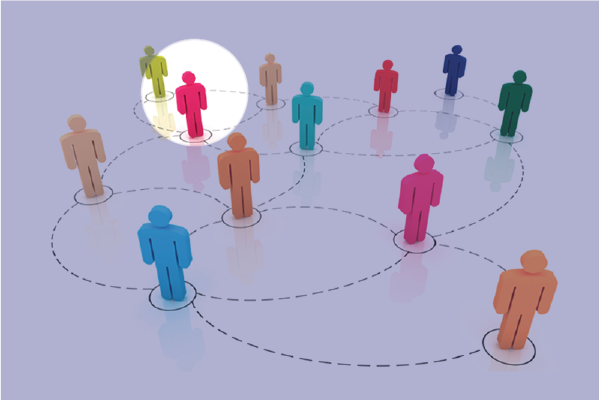
With Big Data we can now begin to actually look at the details of social interaction and how those play out, and are no longer limited to averages like market indices or election results. This is an astounding change. The ability to see the details of the market, of political revolutions, and to be able to predict and control them is definitely a case of Promethean fire—it could be used for good or for ill, and so Big data brings us to interesting times. We're going to end up reinventing what it means to have a human society.
Rethinking how technology uses our personal data
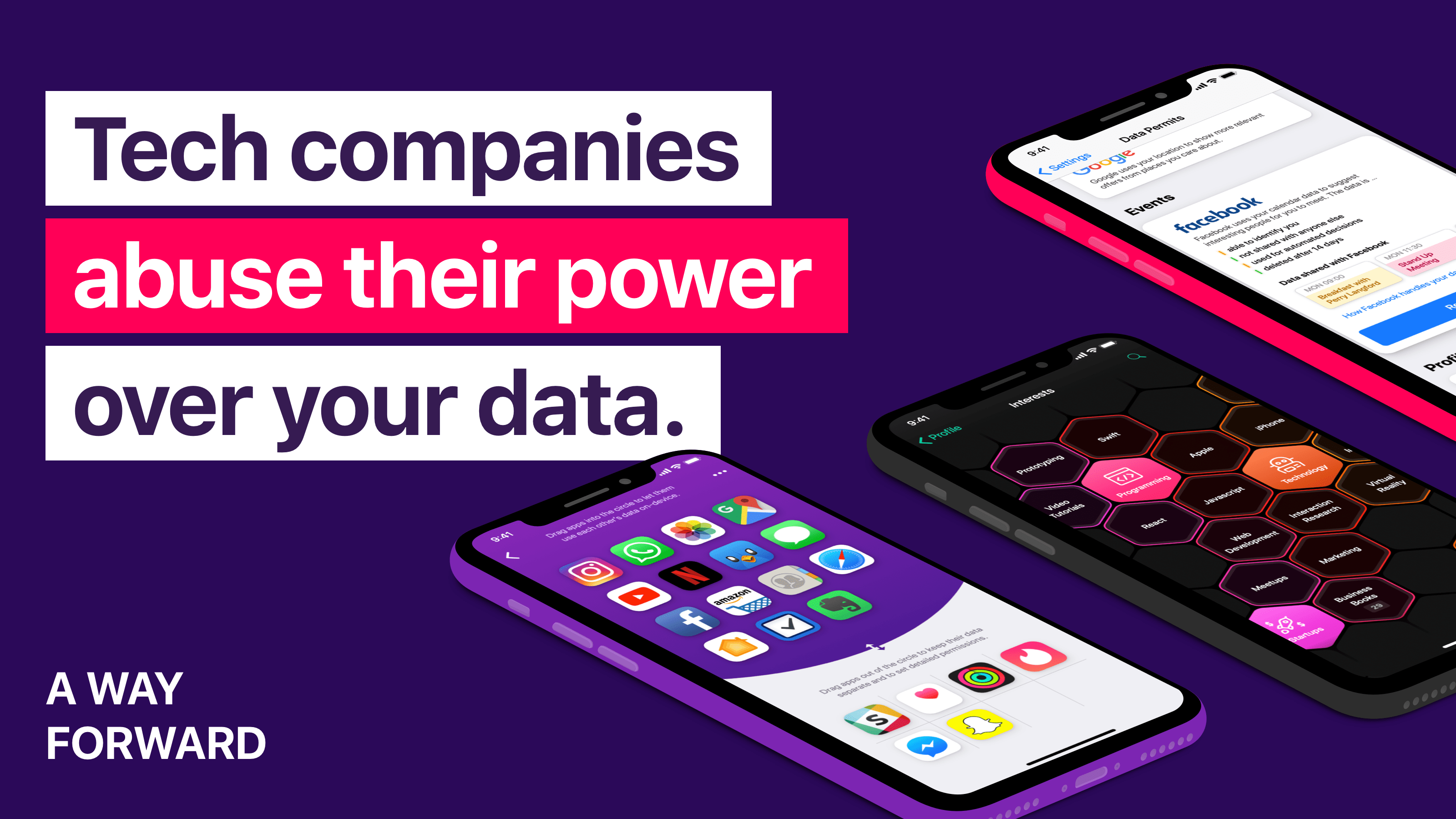
This essay explores visually how keeping data and AI on‑device could empower not only users, but also companies.
Big Data Archives | TechRepublic
Big Data is happening now. Learn about the tips and technology you need to store, analyze, and apply the growing amount of your company's data.
A couch-to-5K plan for digital governance
Mozilla has long championed more responsible use of data, with everything we do living up to the Mozilla Lean Data Practices. The question is: are there ways we can go further? Are there ways we can more actively engage with people around their data that builds trust -- and that helps the tech industry shift the way it thinks about and uses data? We explore these questions in this four part blog series.
Data Feminism
A new way of thinking about data science and data ethics that is informed by the ideas of intersectional feminism.Today, data science is a form of power. I
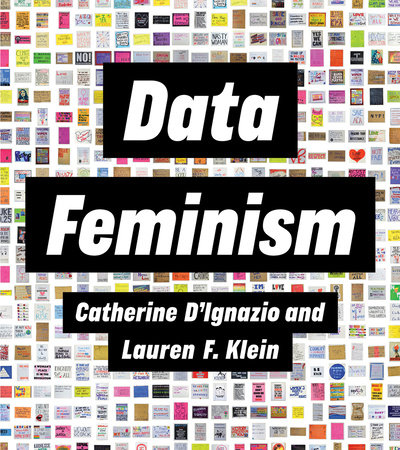
Data Feminism
A new way of thinking about data science and data ethics that is informed by the ideas of intersectional feminism.

Invisible Women: Exposing Data Bias in a World Designed for Men
Invisible Women: Exposing Data Bias in a World Designed for Men is a 2019 book by British feminist author Caroline Criado Perez. The book describes the adverse effects on women caused by gender bias in big data collection.

Can “Conscious Data Contribution” Help Users to Exert “Data Leverage” Against Technology Companies?
Tech users currently have limited ability to act on concerns regarding the negative societal impacts of large tech companies. However, recent work suggests that users can exert leverage using their role in the generation of valuable data, for instance by withholding their data contributions to intelligent technologies. We propose and evaluate a new means to exert this type of leverage against tech companies: "conscious data contribution" (CDC).
Data Capitalism and Algorithmic Racism - D4BL
Even before the global pandemic drastically increased reliance on communications technology for working, learning, shopping, and socializing at a distance, Americans from all walks of life reported a growing unease about the impact of technology companies on our country. Whether it is the gig economy company that tinkers with its incentive algorithms—and sends pay plummeting for thousands of “independent contractors,” or the firm peddling facial recognition technology that disproportionately misidentifies people of color as wanted criminals, the video site that promotes inflammatory misinformation guaranteed to generate clicks, or the social media giant that lets advertisers exclude Black homebuyers from seeing real estate ads in particular neighborhoods, communities across the country are struggling with the effects of unaccountable data* extraction and algorithmic decision-making. Concerns go far beyond worries about personal privacy to fundamental questions of power and control. This paper makes the case that the underlying driver is data capitalism: an economic model built on the extraction and commodification of data and the use of big data and algorithms as tools to concentrate and consolidate power in ways that dramatically increase inequality along lines of race, class, gender, and disability. Along with this report, we’ve built a microsite (https://datacapitalism.d4bl.org/) to help you understand: what is data capitalism and algorithmic racism?