


A Stanford computer scientist says Internet voting would be "a complete disaster."
The architecture of the internet creates risks for democracy
Will democracy survive the internet? Do we need to choose between Facebook’s surveillance capitalism or democracy? Layered lines of evidence can inform questions like these. When considered together, the evidence gives rise to a concerning picture, as summarized in a recent report for the European Commission that I co-led.

Cambridge Analytica and the end of elections
The latest Cambridge Analytica leaks show just how compromised voting - one of the pillars of democracy - has become.

Long Live the Web: A Call for Continued Open Standards and Neutrality
The Web is critical not merely to the digital revolution but to our continued prosperity—and even our liberty. Like democracy itself, it needs defending

SimPolitics
For more than six decades, the public has been promised that computers will revolutionize politics, both nationally and internationally. In SimPolitics, Fenw...

Opinion | To Protect Voting, Use Open-Source Software (Published 2017)
The threats to elections have never been more serious, and the security of election machinery has never been more important.

Kill The Internet IRL in Austin TX
A night of philosophizing in the digital age of chaos and decay. Discussions with three online public philosophers on technology, privacy, and the state of our internet enmeshed civilization.The D...

The Internet Doesn’t Have to Be Bad for Democracy
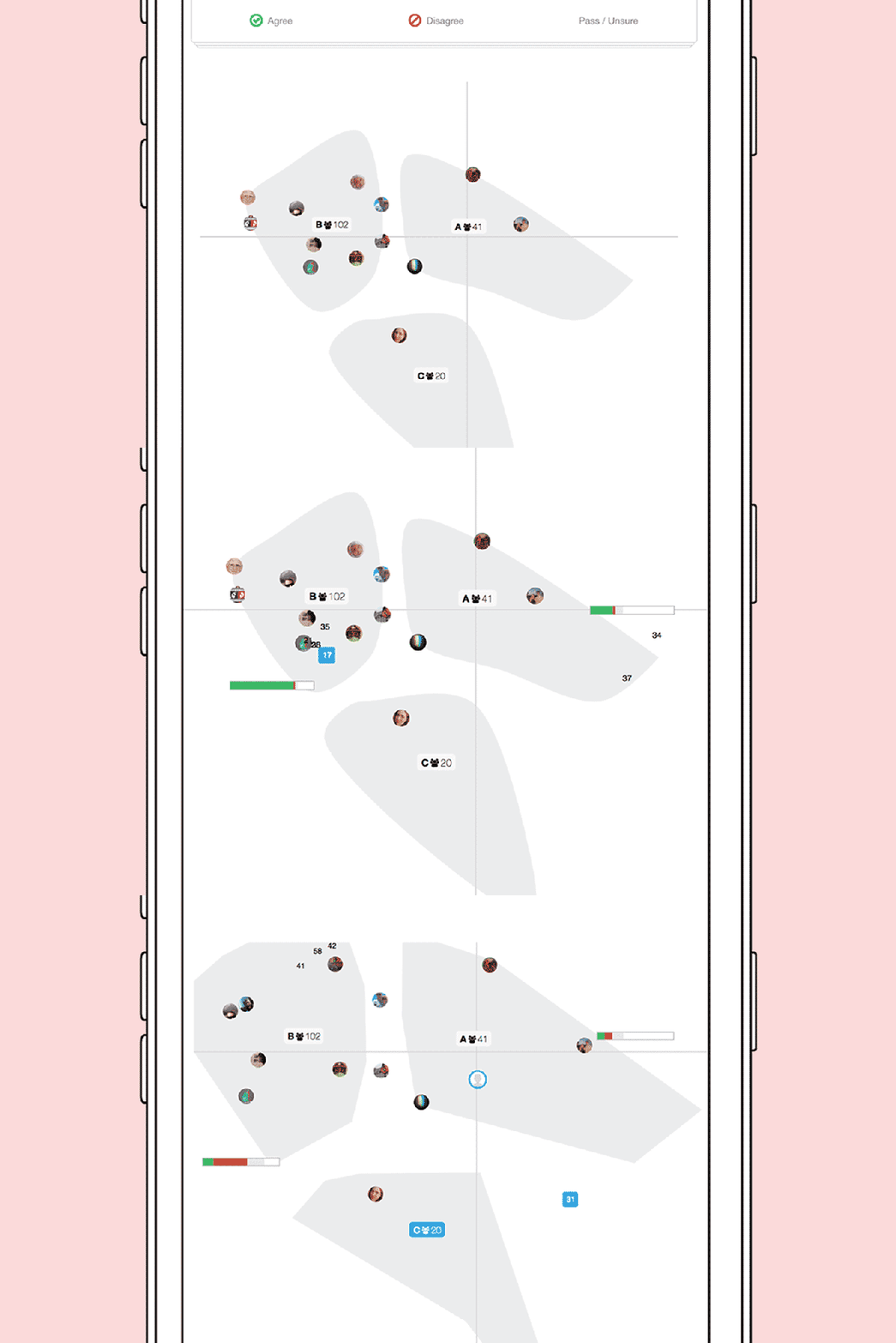
A new form of online survey uses crowdsourcing and data visualization to reveal the hidden nuances in partisan debates.
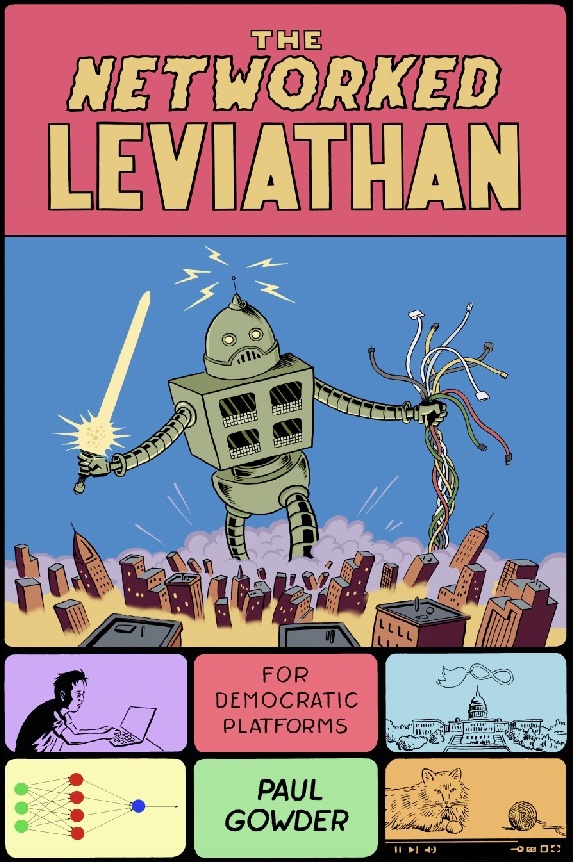
The Networked Leviathan: For Democratic Platforms
The Networked Leviathan is a book by Paul Gowder, Professor of Law at Northwestern University, which offers a case and a roadmap for democratizing major internet platforms.
Tim Berners Lee: Thoughts On The Internet Evolution
"I’ve always believed the web is for everyone. That's why I and others fight fiercely to protect it."

The hacking threat to the midterms is huge. And technology won’t protect us.
An investigation into the US election system reveals frightening vulnerabilities at almost every level.

Sustainable Web Manifesto
“If the Internet was a country, it would be the 13th largest polluter”
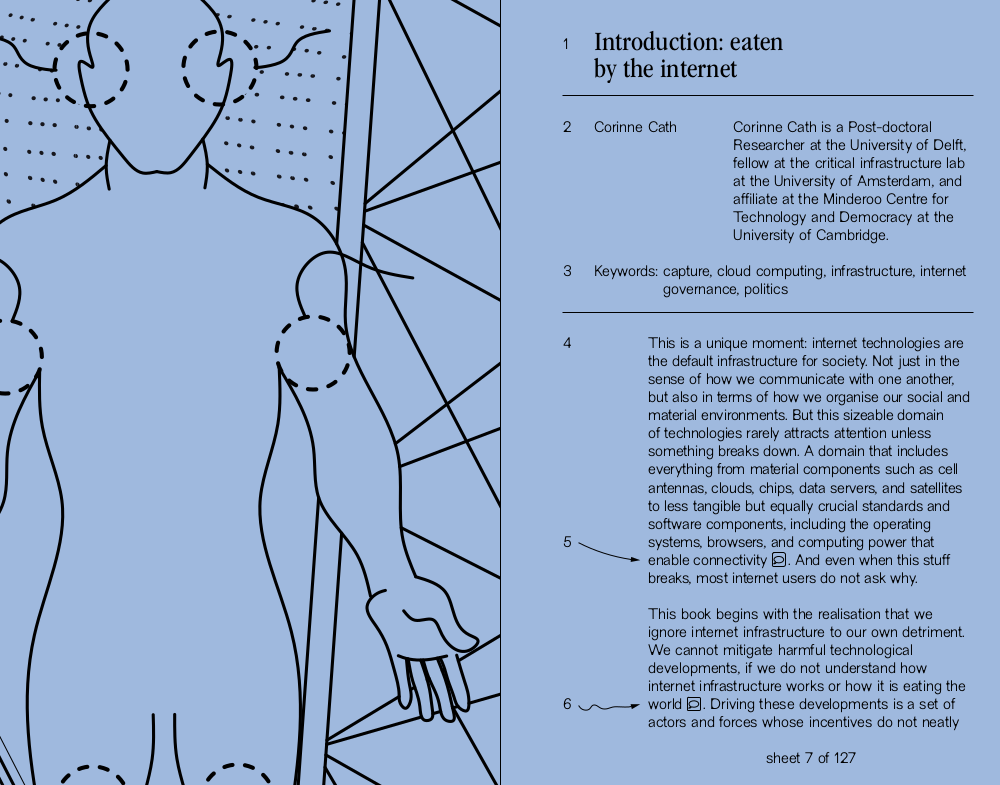
Eaten by the Internet
This book makes internet infrastructure visible as a force of political power, which is transforming the social world, from the bottom up—through fifteen chapters contributed by a global set of researchers, activists, and techies. We are living a unique moment: internet technologies are the default infrastructure for society, not just how we communicate but also how we organise our social life, politics, and economy, all the way down to our material environments, like cities. Our world is eaten by the internet. This means that those who control the internet control the bounds of public speech, economic production, social cohesion, and politics, making its infrastructure a core political terrain in the networked age. The book’s chapters cover a wide set of topics, spanning from the global politics of content moderation by internet infrastructure to the colonialism inherent in the race to plug the moon, from the harms wrought by blockchain companies in rural America to the particularities of online censorship across Asia. The chapters take on thorny topics, discussing power consolidation in the advertisement and cloud industry, the role of internet infrastructure in the war in Ukraine, and tech’s environmental impact—amongst others. In doing so, this book roots contemporary technology debates in the politics of internet infrastructure and urges us to ask how can we ensure our infrastructures sustain us, rather than consume us?
People Across the Globe Increasingly Say Social Media Is Harming Democracy
Most think social media leads to manipulation and division, but they also say it informs people and gives them a voice in politics.

Is this a viable theory of change that points to an actual coherent vision for the future of a safe internet? There’s a lot of poor theories of change in current legislation on both sides of the aisle. Who is championing public utility moderation as an alternative to panopticon age gating?

Tynan is afk til 10/19 ⁂
More and more I think moderation as a whole should be publicly funded. Lots of institutions providing lots of diverse moderation services would unlock product creators and communities to thrive safely.
This paper claims to provide evidence offline networks matter more than online for voting preferences, but winds up mistaking noise for signal and seems to forget that some folks online are quite influential. academic.oup.com/pnasnexus/article/4/10/pgaf30…

Physical partisan proximity outweighs online ties in predicting US voting outcomes
academic.oup.comFix the internet, save democracy
The internet has evolved into a state that is actively hostile towards global democracy. A thesis is emerging that to save global democracy, you must fix the internet.
The IndieWeb Is Punk Manifesto

The Retweeting Class
Funding The Web: From Cartel to Covenant

Protocols, Not Platforms: A Technological Approach to Free Speech
The architecture of the internet creates risks for democracy
