America's legacy cities are shrinking, but they are as vital as our national parks. And they have much better food.
The Death and Life of Great American Cities
The Death and Life of Great American Cities is a 1961 book by writer and activist Jane Jacobs. The book is a critique of 1950s urban planning policy, which it holds responsible for the decline of many city neighborhoods in the United States. The book is Jacobs' best-known and most influential work.

Trees for Cities | Trees for Cities
We are the only charity working at a national scale to improve lives by creating greener cities.

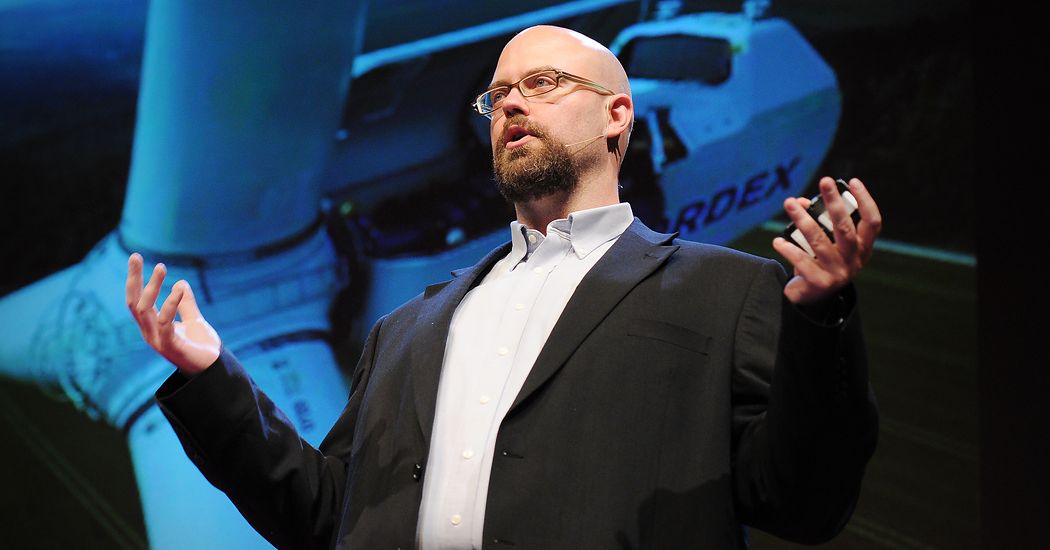
Alex Steffen: The shareable future of cities
How can cities help save the future? Alex Steffen shows some cool neighborhood-based green projects that expand our access to things we want and need -- while reducing the time we spend in cars.
A City for Children — Oakland Public Library
A City for Children — Gutman, Marta, — American cities are constantly being built and rebuilt, resulting in ever-changing skylines and neighborhoods. While the dynamic urban landscapes of New York, Boston, and Chicago have been widely studied, there is much to be gleaned from West Coast cities, especially in California, where the migration boom at the end of the nineteenth century permanently changed the urban fabric of these newly diverse, plural metropolises. In A City for Children Marta Gutman focuses on the use and reuse of everyday buildings in Oakland, California, to make the city a better place for children. She introduces us to the women who were determined to mitigate the burdens placed on working-class families by an indifferent industrial capitalist economy. Often without the financial means to build from scratch, women did not tend to conceive of urban land as a blank slate to be wiped clean for development. Gutman shows how, over and over, women instead turned private houses and even a saloon in Oakland into orphanages, kindergartens, settlement houses, and day care centers, and in the process built the charitable landscape--a network of places that was critical for the betterment of children, families, and public life. The industrial landscape of Oakland, riddled with the effects of social inequality and racial prejudice, is not a neutral backdrop in Gutman's story but an active player. Spanning one hundred years of history, A City for Children provides a compelling model for building urban institutions, and it demonstrates that children, women, charity, and reform, along with incremental construction, renovations, alterations, additions, and repurposed structures, are central to the understanding of modern cities.
Urban problems: nature-based solutions and a Green New Deal everywhere
Nature-based Solutions with localised Green New Deals could save our settlements, and provide a just transition to a low-carbon society

Where Young College Graduates Are Choosing to Live (Published 2014)
More young people are moving to the very heart of cities, even in economically troubled places like Buffalo and Cleveland.

Re:Permissioning the City — Unlocking cities’ growing underutilised spatial assets for an emergent…
In recent years, various macro-level shifts, including public health crises, demographic changes, and climate risks, have had cascading…

Videos - Toby Hemenway
Online Workshop: Food Forest Design and Care for Cities and Suburbs (November 2013)
Sustainability is not enough: we need regenerative cultures
By Daniel C. Wahl


Big-city problems, small-farm solutions: 'Carbon Zero,' chapter 6
Reorganizing our food system provides an opportunity to ratchet down our cities' carbon emissions while also reconnecting them to the natural world.

NYC: can this city-state be completely self-reliant? | Aeon Essays
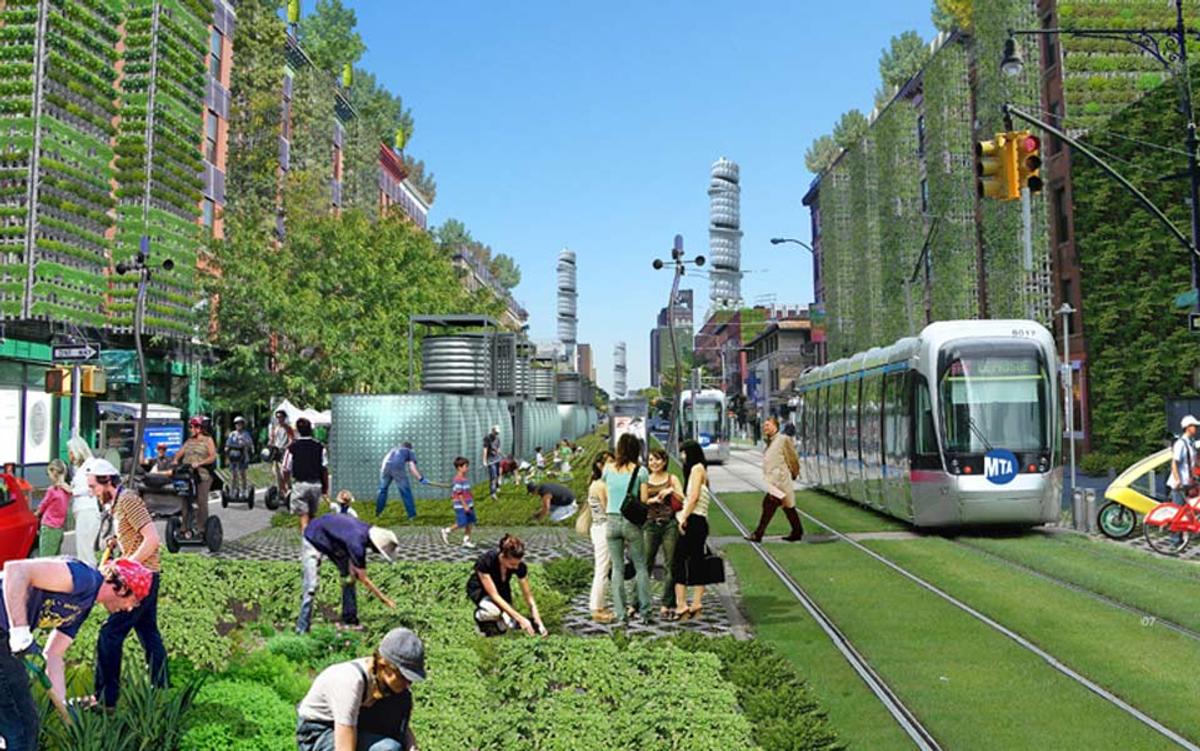
Green living in NYC need not be simple living – think skyscraper farms, meat-production towers and revamped aqueducts
Blue Zones
What began as a National Geographic expedition, lead by Dan Buettner, to uncover the secrets of longevity, evolved into the discovery of the 5 places around the world where people consistently live over 100 years old, dubbed the Blue Zones. Dan and his team of demographers, scientist and anthropologists were able to distill the evidence-based common denominators of these Blue Zones into 9 commonalities that they call the Power 9. They have since taken these principles into communities across the United States working with policy makers, local businesses, schools and individuals to shape the environments of the Blue Zones Project Communities. What has been found is that putting the responsibility of curating a healthy environment on an individual does not work, but through policy and environmental changes the Blue Zones Project Communities have been able to increase life expectancy, reduce obesity and make the healthy choice the easy choice for millions of Americans.

The Death of a Once Great City, by Kevin Baker
The fall of New York and the urban crisis of affluence

4 Hiring Lessons From the Best Cities For Millennials
4 Hiring Lessons From the Best Cities For Millennials

What if our cities were designed for wildlife as well as people?
New research argues urban planning must recognise animals, plants and ecosystems as fellow inhabitants of our cities.