

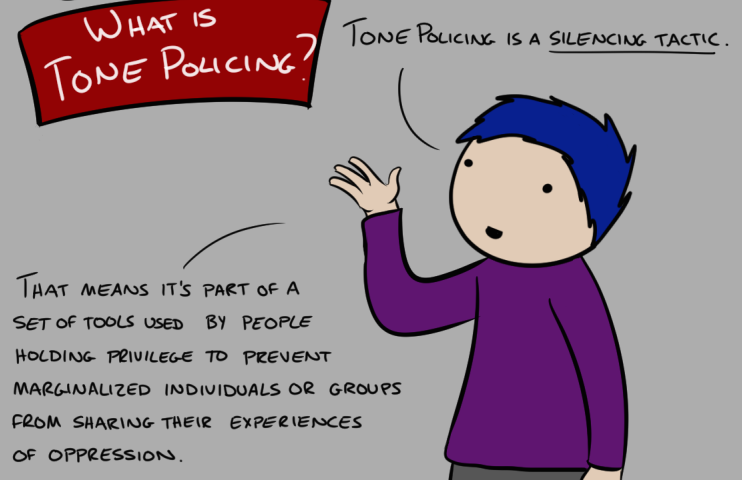
“Calm down so we can discuss this like adults.” Ever said something like this in a conversation on oppression? Tone policing is no way to get justice, and this comic will help you understand exactly why.
A Letter on Justice and Open Debate
July 7, 2020 The below letter will be appearing in the Letters section of the magazine’s October issue. We welcome responses at letters@harpers.org Our cultural institutions are facing a moment of trial. Powerful protests for racial and social justice are leading to overdue demands for police reform, along with wider calls for greater equality and […]

It is time for a community approach to mental health
Abolitionists and mental health advocates in the US are working to replace both police and psychiatry by reimagining how we respond to mental health crisis.
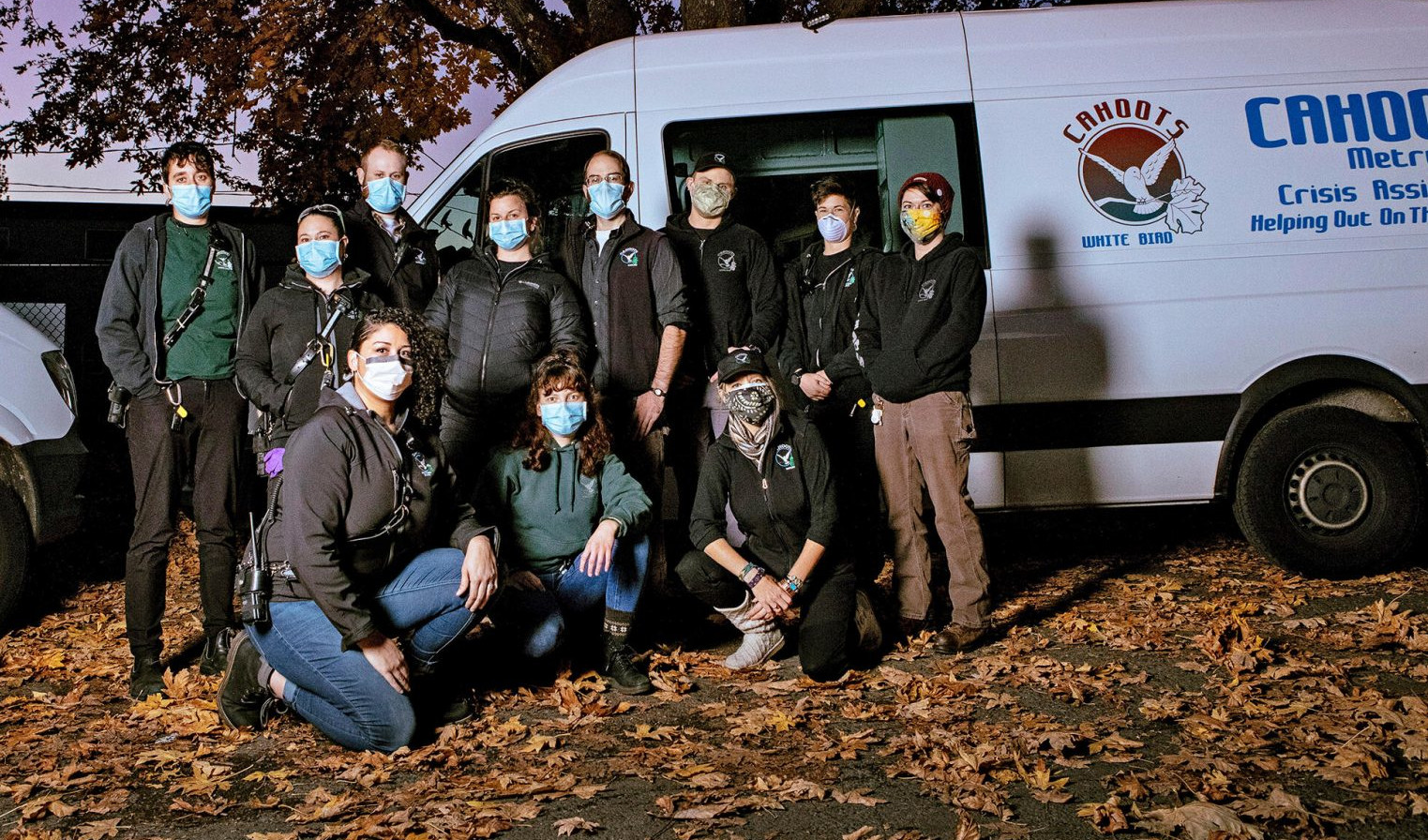
Police Abolition | The Paper Pilot
The Paper Pilot's digital garden of thoughts on philosophy, politics, and sociology
Speech is violence? Not if we want a liberal, intellectual society
Offensive speech can cause mental and emotional pain. But classifying it as violence erodes the foundations of intellectual liberalism.
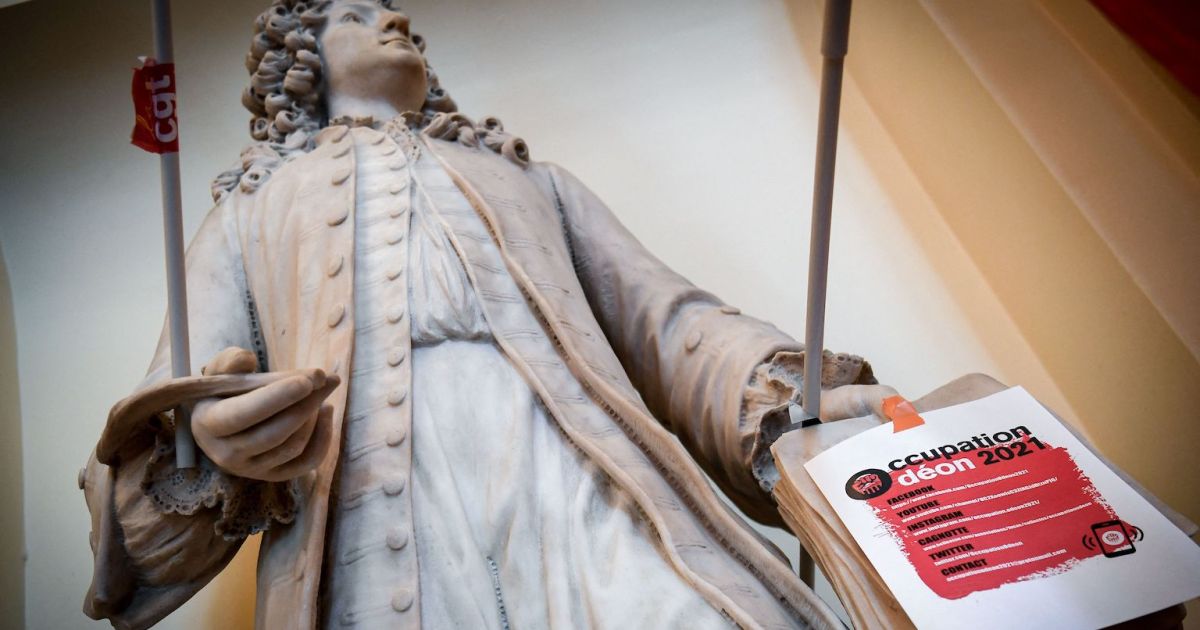
The Algorithmic Management of Polarization and Violence on Social Media
Access the PDF version of this essay by clicking the icon to the right.
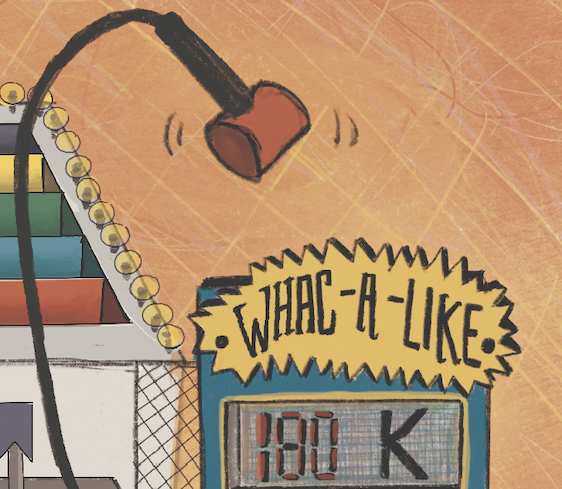
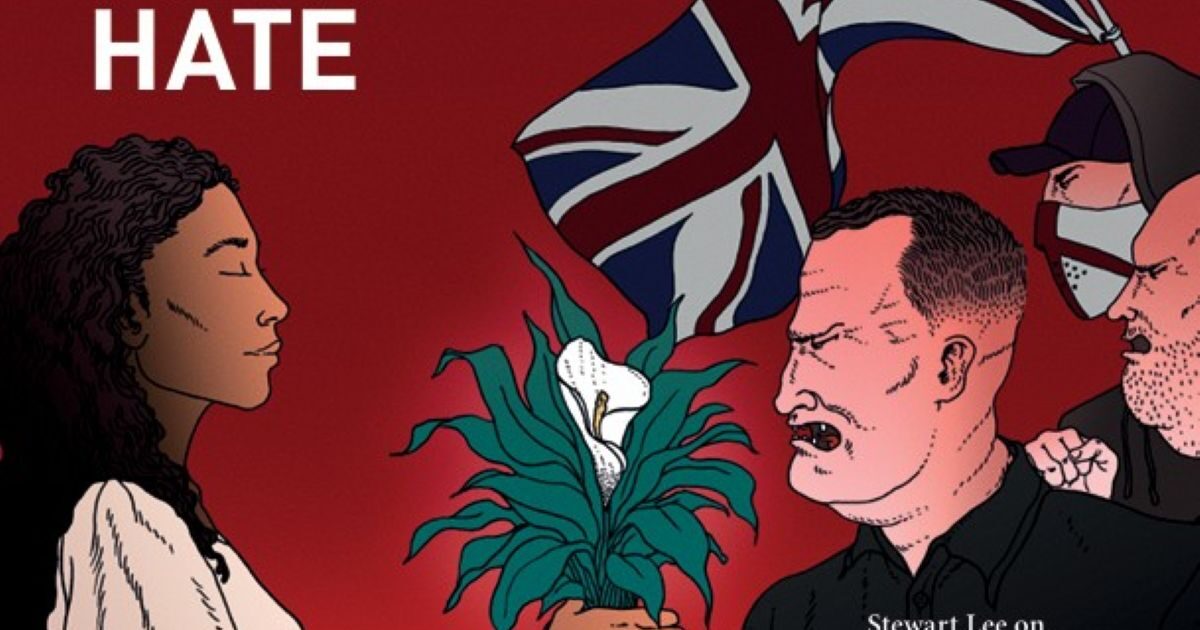
How to fight hate: New Humanist’s Autumn 2026 issue is out now
With race riots on the rise and the populist right gaining traction, we ask how the UK can push back
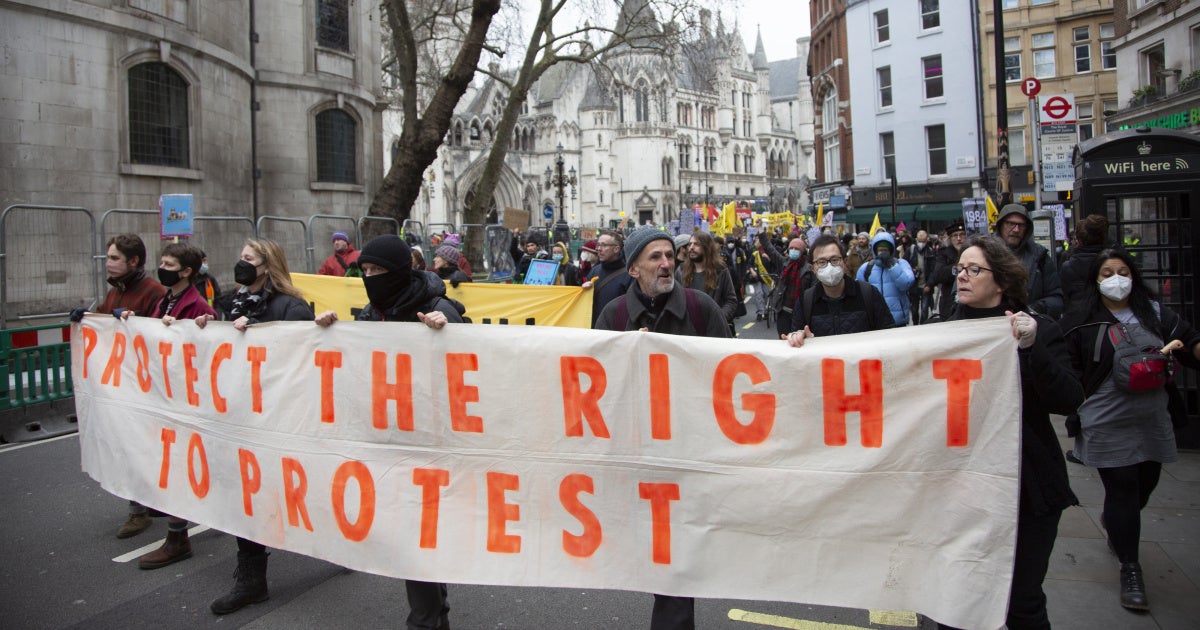
Silencing the Streets
The 47-page report, “‘Silencing the Streets’: The Right to Protest Under Attack in the UK,” documents that the UK’s Labour government has failed to reverse sweeping anti-protest laws introduced by the previous Conservative government. Instead, Labour has attempted to expand them with the Crime and Policing Bill 2025 and through the unprecedented misuse of terrorism legislation to target and criminalize peaceful protest. The Crime and Policing bill, pending before parliament, is to be debated in the House of Lords in January 2026.
It's Safer in the Front
Faced with intensifying repression and state violence, there is an understandable inclination to seek safety by avoiding confrontation. But this is not always the most effective strategy.

How Much Do We Need The Police?
For many Americans, it goes without saying that the police help maintain public safety. But many others — especially black Americans — see the police as more of a threat than a protective force.
When is Political Violence Justified
What the Liberal Tradition Says on the Subject

“Political violence!”: Chaotic school board meeting descends into screaming match over Stonewall
"Political violence is not something we praise with music or song!" one board member said as they voted to ban a musical composition.

ICE violence against women is largely untracked. One advocacy group is working to change that.
Immigration agents with prior records of sexual and gender-based violence have drawn attention in Trump’s second term amid questions about training and vetting.

How Can AI Address Climate Justice When Women’s Voices Are Silenced?
Unless women’s lived realities are embedded in AI's foundations, it risks reinforcing the very inequities it claims to solve.

HRW warns right to protest ’under attack’ in UK
Human Rights Watch says the UK has “severely restricted the right to protest” and is expanding repressive measures against peaceful demonstrators.

When Riot Cops Are Not Enough
In When Riot Cops Are Not Enough, sociologist Mike King examines the policing, and broader political repression, of the Occupy Oakland movement. King’s active and daily participation in that movement provides a unique insider perspective to illustrate how the Oakland police and city administrators lost the ability to effectively control the movement.

"I can’t help but view Community and the State as two sides of the same coin: Apparitions of the mind construed in a desperate attempt to eliminate violence with the assumption that conflict can be controlled. -

♍ Bee 🐝