

This started its life as a pair of posts to the Mozilla governance forum, about the mismatch between private communication channels and our principles of open development. It’s a little long-winded, but I think it broadly applies not just to Mozilla but to open source in general. This version of it interleaves those two posts into something I hope is coherent, if kind of rambly. Ultimately the only point I want to make here is that the nature of openness has changed, and while it doesn’t mean we need to abandon the idea as a principle or as a practice, we can’t ignore how much has changed or stay mired in practices born of a world that no longer exists.
The Ethos of Open Source – Mitchell Baker
A couple of months ago I started posting about how I want to build a better world through technology and how I’ll be doing that outside of Mozilla going forward. The original post has many references to “open” and “open source.” It’s easy to think that we all understand open source and we just need to apply it to new settings. I feel differently: we need to shape our collective understanding of the ethos of open source.
The Mozilla Manifesto
These are the principles that guide our mission to promote openness, innovation & opportunity on the web.

I hate the term “open source”
It doesn’t accurately reflect how people are building today anymore.

Mozilla’s Inaugural ‘State of Open Source AI’ Report Is Here | The Mozilla Blog
Open source AI has crossed a threshold. For years the debate has centered around whether open models could ever compete with closed ones. This is no longer
The Rules of Open Source No Longer Apply | Built In
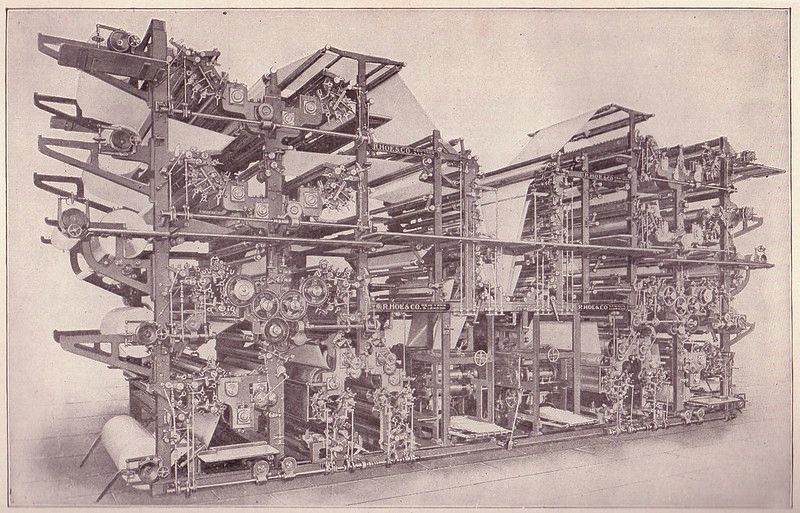
When free software first gained traction, the world looked very different.

Open Source Explained — Open Indie
Musings on the concept of ‘open source’, in the broadest possible definition of the term. Also an invitation to become a participant in ...
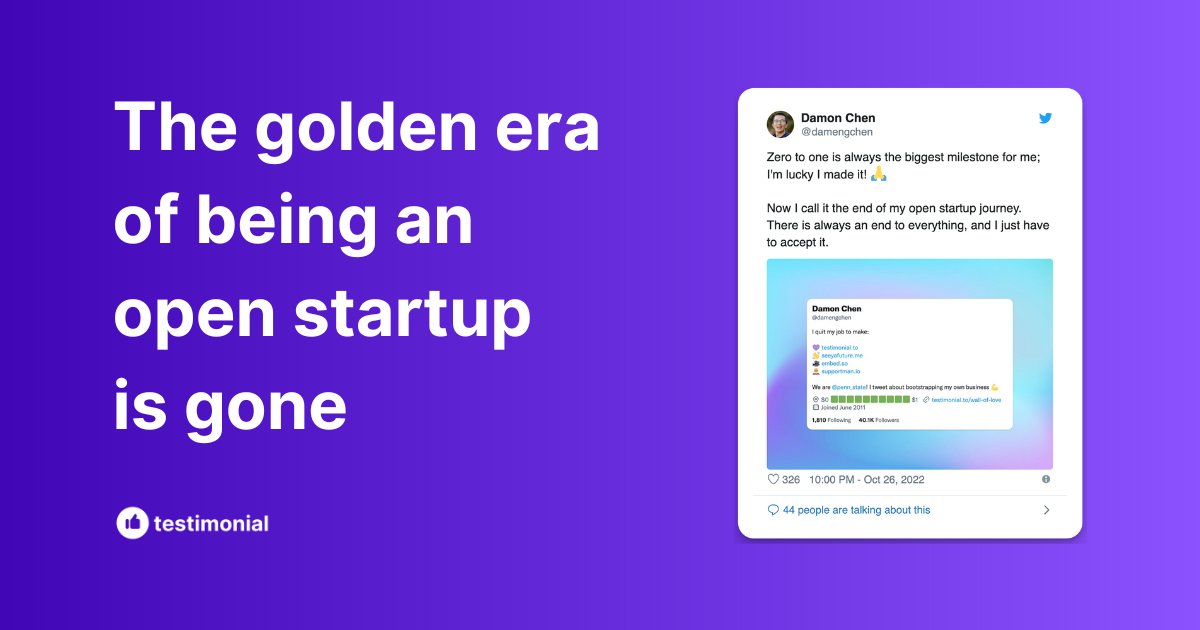
The golden era of being an open startup is gone
To me, the golden era of being an open startup is gone. Some founders and early adopters are shutting down their open pages and changing their transparency practices. I don’t think they are doing it just because things change and we need to cope.
Open Source is Broken
The Open Source movement, as championed by the OSI, prizes absolute openness above all other concerns...
Open Source is Broken
The Open Source movement, as championed by the OSI, prizes absolute openness above all other concerns...
Does the Open Source Movement Need to Evolve? - Slashdot
A cloud company's CTO argues on CTO that the "hypocrite commits" controversy "is symptomatic, on every side, of related trends that threaten the entire extended open-source ecosystem and its users." That ecosystem has long wrestled with problems of scale, complexity and free and open-source softwar...

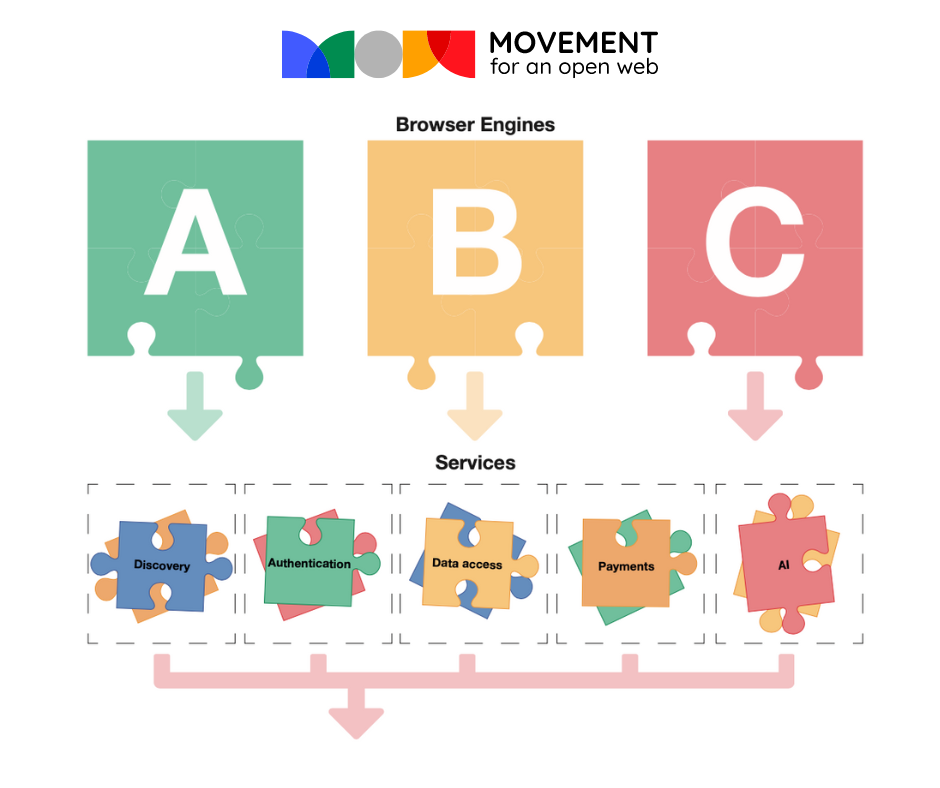
Break up the Browsers. A Proposal to Save the Open Web. - Movement For An Open Web
The Open Web is one of the world’s modern wonders. Based on core, universally recognised technical standards and owned and controlled by no one body, it is a unique structureRead More
What’s Your Open Source Strategy? Here Are 10 Answers…
A research report from Mozilla and Open Tech Strategies provides new perspectives on framing open source strategy. The report builds on…

Being Open by Design
“We were born as a radically open, radically participatory organization, unbound to traditional corporate structure. We played a role in…

The Paradox of Open
Numerous organisations and initiatives have been launched with a belief in openness and free knowledge. Their proponents placed their bets on the combined power of networked information services and new governance models for the production and sharing of content and data. We – as members of this broad movement – were among those who believed it possible to leverage this combination of power and opportunity to build a more democratic society, unleashing the power of the internet to create universal access to knowledge and culture. For us, such openness meant not only freedom, but also presented a path to justice and equality.