


Tiho Bajic, CTO of Nitro, on how engineering culture has become destructive and how to fix it to foster loyalty and longevity.
Repair Culture: Learning to Fix Instead of Replace – Wayfinders Now – Living small to gain abundance.
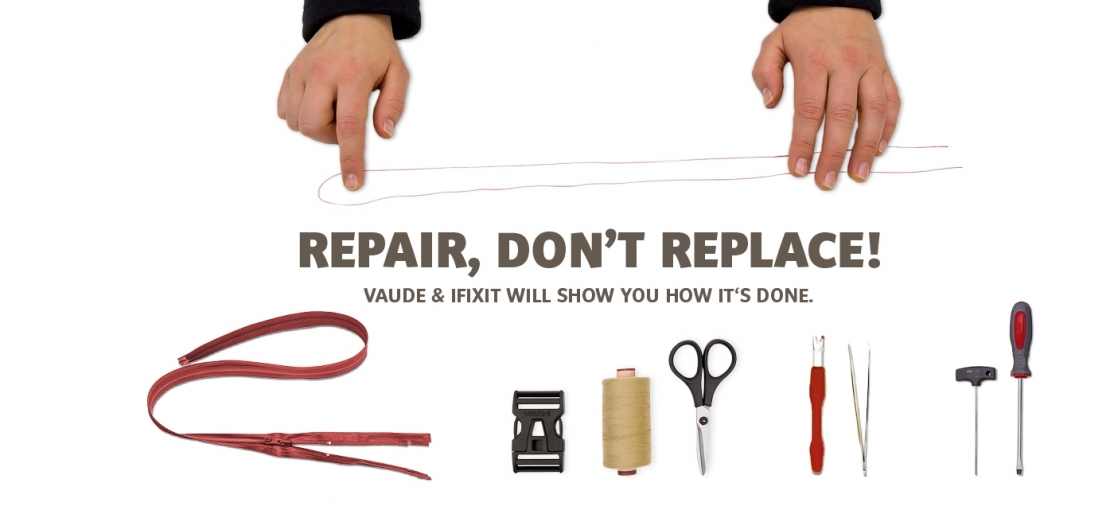
Repair culture is the growing mindset of choosing to fix what’s broken instead of immediately replacing it. It challenges a habit that has become almost automatic in modern life: when something stops working, we discard it. A new phone, a new appliance, a new chair, a new everything. Repair culture asks a quieter question: What […]
How to build a generative engineering culture
A generative engineering culture is one where nothing seems to fall through the cracks, “we should” gets prioritized and becomes reality, and original ideas and value come primarily from engineers, rather than management. A culture like this is an engine for building capacity, quality, innovation, and sophistication.

Innovation is overvalued. Maintenance often matters more | Aeon Essays
Capitalism excels at innovation but is failing at maintenance, and for most lives it is maintenance that matters more

the senior engineer death spiral
on proving yourself, burning out, and being a good teammate
How to not screw up your product strategy | Jade Rubick - Engineering Leadership
An overview of common mistakes people make while developing a product strategy, tips for creating a successful strategy, and how to communicate and execute on a product strategy.

Life Is More Than an Engineering Problem | Los Angeles Review of Books
Julien Crockett speaks with Ted Chiang about the search for a perfect language, the state of AI, and the future direction of technology.

Rebuilding product strategy for the next era
For tech leaders navigating change, this is how we’re doing it differently. By Suba Vasudevan, COO, Mozilla.

Technopoly: The Surrender of Culture to Technology
A witty, often terrifying that chronicles our transform…

Software and its Discontents, January 2023, Part 1
Over the last few months I’ve been intrigued by a question: where is the frustration and disillusionment, so prevalent currently in the software industry, coming from? And, as an engineering leader, what can I learn from this discontent and how should it shape my practices?
Write five, then synthesize: good engineering strategy is boring.
Few companies understand their engineering strategy and vision. One consequence of this uncertainty is the industry belief that these documents are difficult to write. In some conversations it can feel like you’re talking about something mystical, but these are just mundane documents. The reality is that good engineering strategy is boring, and that it’s easier to write an effective strategy than a bad one.

Tech for... what, exactly?
How ‘tech for good’ launders the expertise, interests, and beliefs of technologists.

How the hell are you supposed to have a career in tech in 2026? - Anil Dash
A blog about making culture. Since 1999.

Technology is Not Values Neutral: Ending the Reign of Nihilistic Design
We fail to take tech seriously when we do not grasp its full impact on humans

Deep research requires a slower pace than tech industry work
Anyone working in an industry for a while will become accustomed to that culture—its processes, its norms, its values, its tacit knowledge. Much of this is incredibly valuable, of course, but these ideas can also represent constraints. There are some important impedances here between tech industry culture and research culture. In particular, tech culture is calibrated to a much faster pace. This can lead to impatience or early abandonment when confronting problems which require a researcher’s pace.