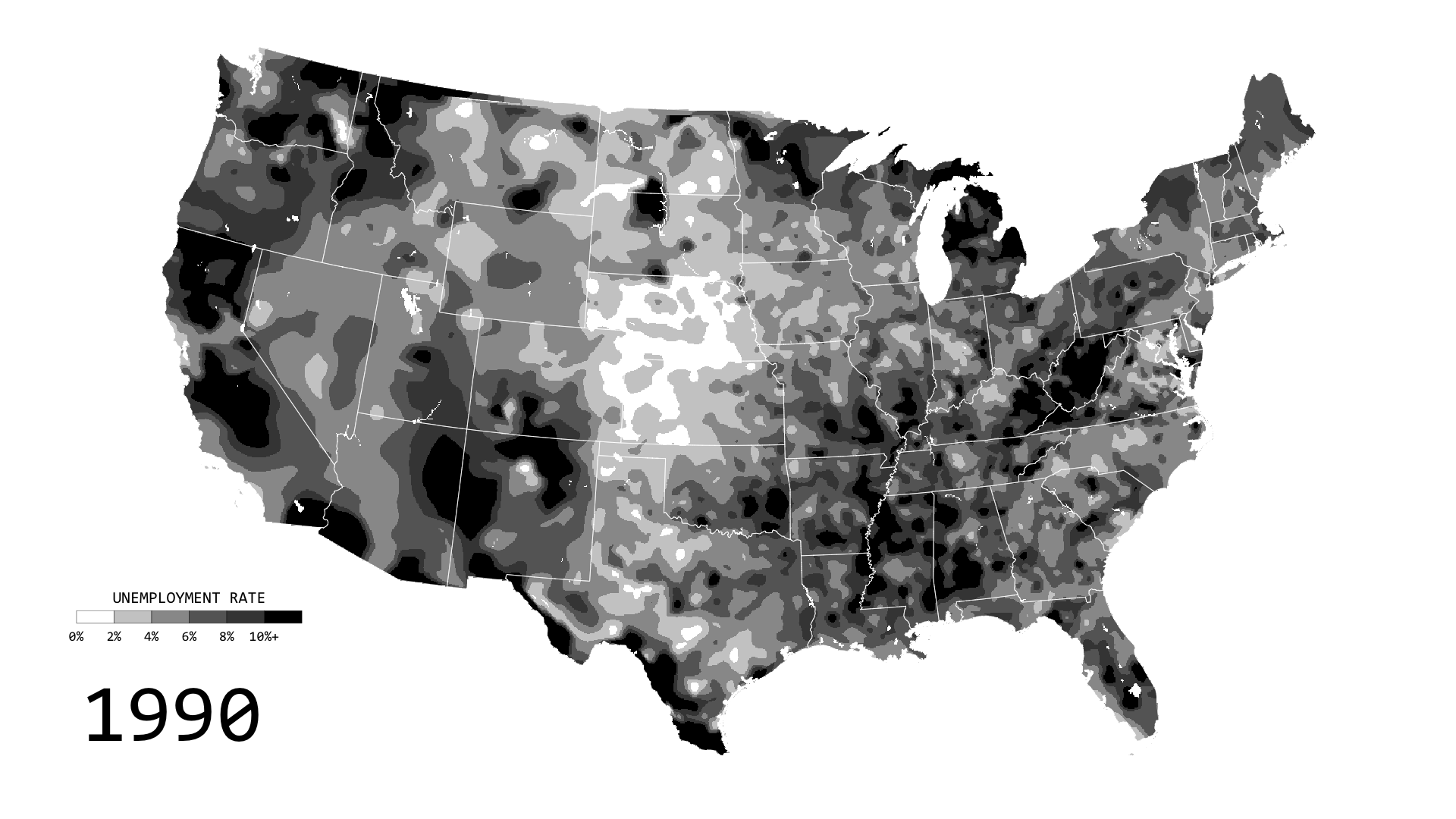
Watch the regional changes across the country from 1990 to 2016.
The Federal Change Map
The Impact Map provides timely data on policy, funding, and workforce changes and their localized effect.
Do Employers Have More Monopsony Power in Slack Labor Markets?
This article confronts monopsony theory’s predictions regarding workers’ wages with observed wage patterns over the business cycle. Using German administrative data for the years 1985 to 2010 and an estimation framework based on duration models, the authors construct a time series of the labor supply elasticity to the firm and estimate its relationship to the unemployment rate. They find that firms possess more monopsony power during economic downturns. Half of this cyclicality stems from workers’ job separations being less wage driven when unemployment rises, and the other half mirrors that firms find it relatively easier to poach workers. Results show that the cyclicality is more pronounced in tight labor markets with low unemployment, and that the findings are robust to controlling for time-invariant unobserved worker or plant heterogeneity. The authors further document that cyclical changes in workers’ entry wages are of similar magnitude as those predicted under pure monopsonistic wage setting.

Unauthorized Immigration Effects on Local Labor Markets
The large increase and subsequent decline of unauthorized immigrant workers in recent years have raised questions about the impact of these changes on local labor markets across the United States. New analysis linking immigration data with employment data for specific areas suggests that the rapid rise in unauthorized immigrant worker flows increased local employment roughly one-for-one. Extending the analysis to the industry level further suggests that the slowdown of net immigration had a large negative impact on local employment, particularly for construction and manufacturing.

Labor Market Adaptation to Rising Import Competition
In Places versus People: The Ins and Outs of Labor Market Adjustment to Globalization (NBER Working Paper 33424), David Autor, David Dorn, Gordon H. Hanson, Maggie R. Jones, and Bradley Setzler examine how local labor markets and the workers in these markets adjusted to increased Chinese import competition in the first two decades of this century. They analyze comprehensive employer-employee data from the Census Bureau’s Longitudinal Employer-Household Dynamics program over the 2000–19 period. Their analysis exploits location-specific variation in the impact of growing imports from China following China’s accession to the World Trade Organization (WTO) in 2001, which is due to the heterogeneity in industry composition across local labor markets.

Layoff University, Vol. 2: Progress Made, Lessons Learned - excellent notes
Reflections from my first month of unemployment
Disappointing 29,000 jobs added in September as unemployment ticks up
Friday's jobs report is the last one that will come out before the Nov. 3 elections that will determine whether President Donald Trump's Republicans maintain full control of Congress.
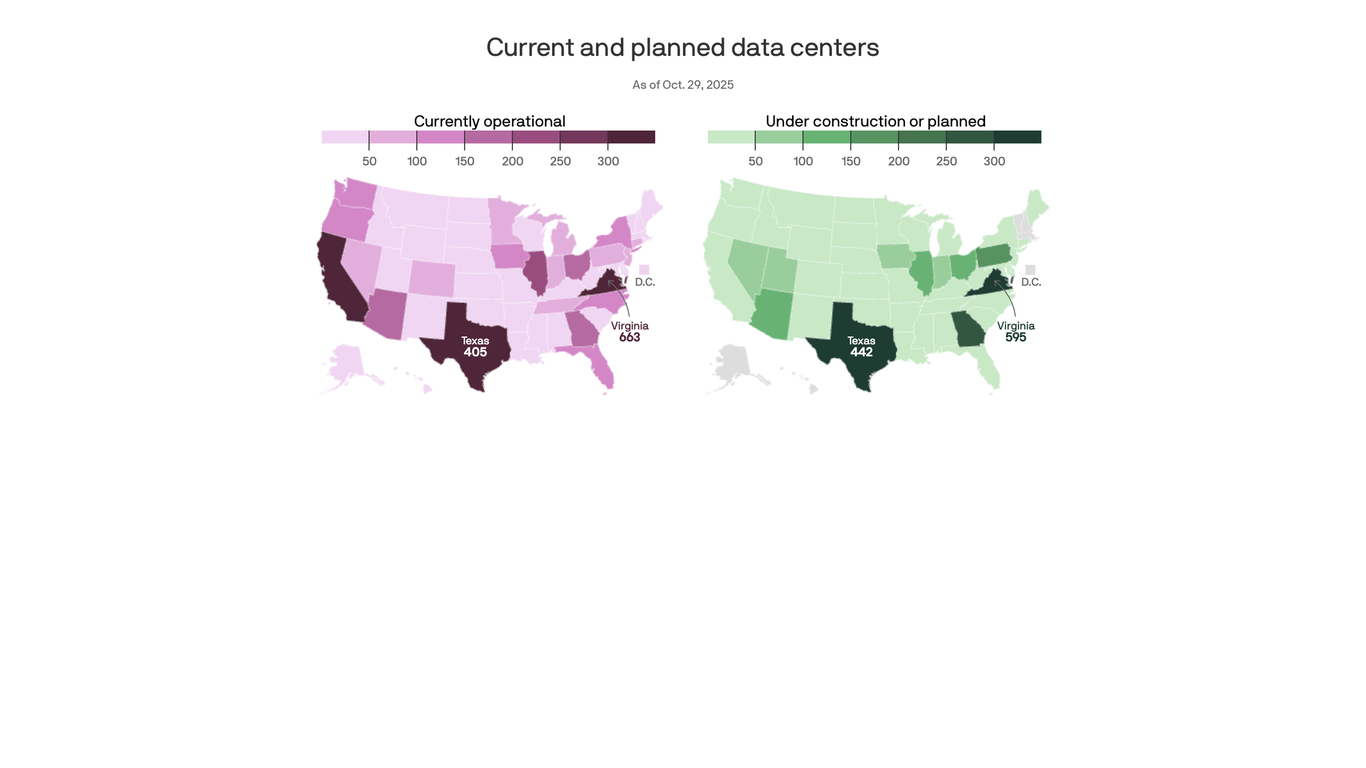
America's data center growth hot spots, mapped
Virginia and Texas lead the way, but they're becoming a major political fight.
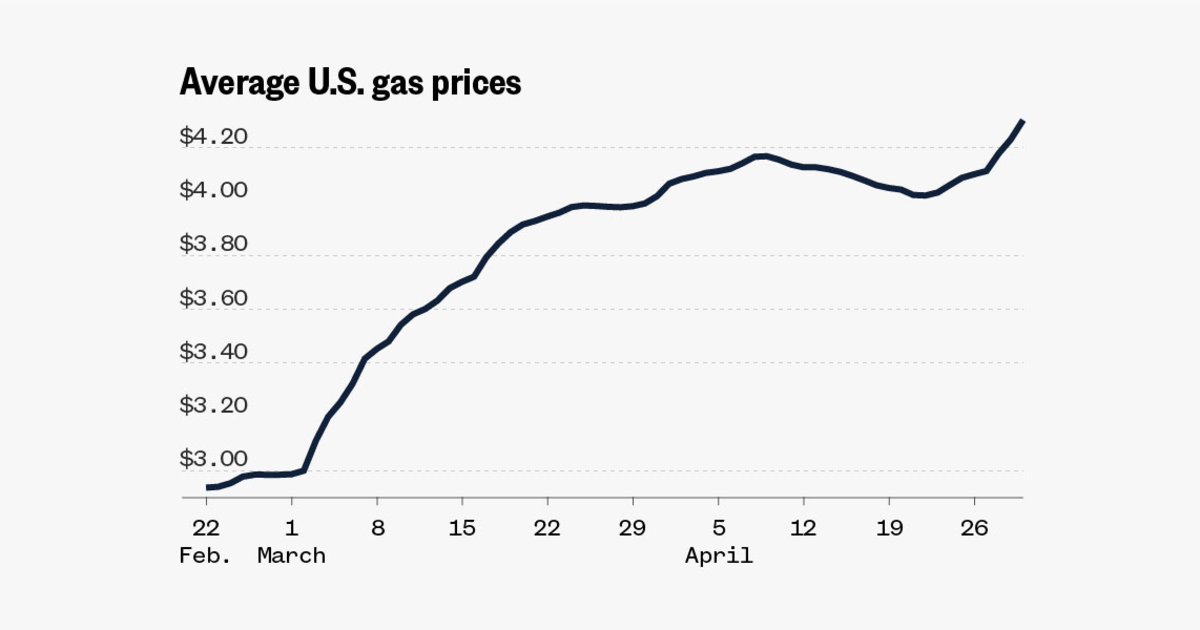
Data: Track state and national gas prices
Gas prices across the country, after declining much of April, are spiking again.
Job search and unemployment insurance
Do expanded unemployment benefits lower job-finding rates?
Immigration Enforcement in Los Angeles Under the Second Trump Administration – Deportation Data Project
We rely on our online visual tools to create this report, which means that you can click on any one of the figures and adjust time periods, breakouts, and other aspects to dig into the data in more detail. You can also swap out the Los Angeles ICE area of responsibility for another region to reproduce these figures for your own area of interest.
Work Trend Index: Microsoft’s latest research on the ways we work.
The Work Trend Index provides data-driven insights to help people and organizations thrive amid ongoing change and disruption.

California AI-Unemployment Tracker (CAIT) - California Policy Lab
Tracking AI-Related Job Loss Using Unemployment Insurance Claims Data in California The California Employment Development Department partnered with the nonpartisan California Policy Lab at the University of California to conduct research to measure AI-related job loss trends in California, using Unemployment Insurance claims data, combined with AI exposure measures. The California Policy Lab developed the

Why Cities Boom While Towns Struggle
The jobs gap is also a jobs map: Places that succeed have a critical mass of creativity.

All the Ways Europe Is Ditching American Technology
A WIRED timeline shows how dozens of governments, companies, and other organizations across Europe are moving, or planning to shift, away from US Big Tech.

A Retrospective on Bidenomics - The American Prospect
Joe Biden listened to the left on full employment. But the lasting effects were wanting, and the politics were brutal.

Technological Disruption in the US Labor Market • The Aspen Institute Economic Strategy Group
DAVID DEMING, CHRISTOPHER ONG, LAWRENCE H. SUMMERS This paper explores past episodes of technological disruption in the US labor market, with the goal of learning lessons about the likely future impact of artificial intelligence (AI). The authors measure changes in the structure of the US labor market going back over a century in two ways. ...