


If you are depressed, or schizophrenic or have Alzheimer's, scientists say you probably have a shrunken hippocampus. The good news: a drug that just
Depression doesn't shrink the brain like we thought it did | New Scientist
For the past decade, depression has been linked to a shrunken hippocampus, which has a vital role in memory. But a large study using up-to-date scanning techniques suggests this may not be the case

Antidepressants rapidly alter brain architecture, study finds
A single dose of a popular class of psychiatric drug used to treat depression can alter the brain’s architecture within hours, even though most patients usually don’t report improvement for weeks, a new study suggests.

Your Diet Can Make You Depressed. It Can Also Help.
What you eat changes how you feel. These foods are the best for your brain

Leading Innovation in Psychiatric Treatment | Alto Neuroscience
We leverage brain biology to develop personalized medicines, helping patients get better faster.
Marijuana May Grow Neurons in the Brain
SASKATOON, Saskatchewan - Marijuana may promote the growth of new neurons in the hippocampus, perhaps relieving anxiety and depression, according to a Canadian team.

Intestinal drug shown to boost memory and cognition
The development of drugs to treat cognitive problems in patients with mental illness may be a step closer after a team of researchers discovered that an existing drug – used to treat constipation – may be able to boost our ability to think more clearly.
The Food That Helps Battle Depression
The right kind of diet may give the brain more of what it needs to avoid depression, or even to treat it once it’s begun.

ADHD Medications Improve Long-Term Cognitive Function - Neuroscience News
Long-term treatment with both stimulant (Methylphenidate) and non-stimulant (Atomoxetine) medications significantly improves cognitive functions in individuals with ADHD.
Meditation once again shown to reduce depression better than antidepressant drugs
Meditation once again shown to reduce depression better than antidepressant drugs

Serotonin Transporters Increase When Depression Fades - Neuroscience News
Neuroimaging revealed serotonin transporter levels increased in people who were in recovery from depression following cognitive behavioral therapy.

To Treat Depression, a New Approach Tries Training the Brain
Computer games, chirping birds and electrical stimulation in studies to change how depressed people think.

Dysregulated adult hippocampal neurogenesis in major depressive disorder
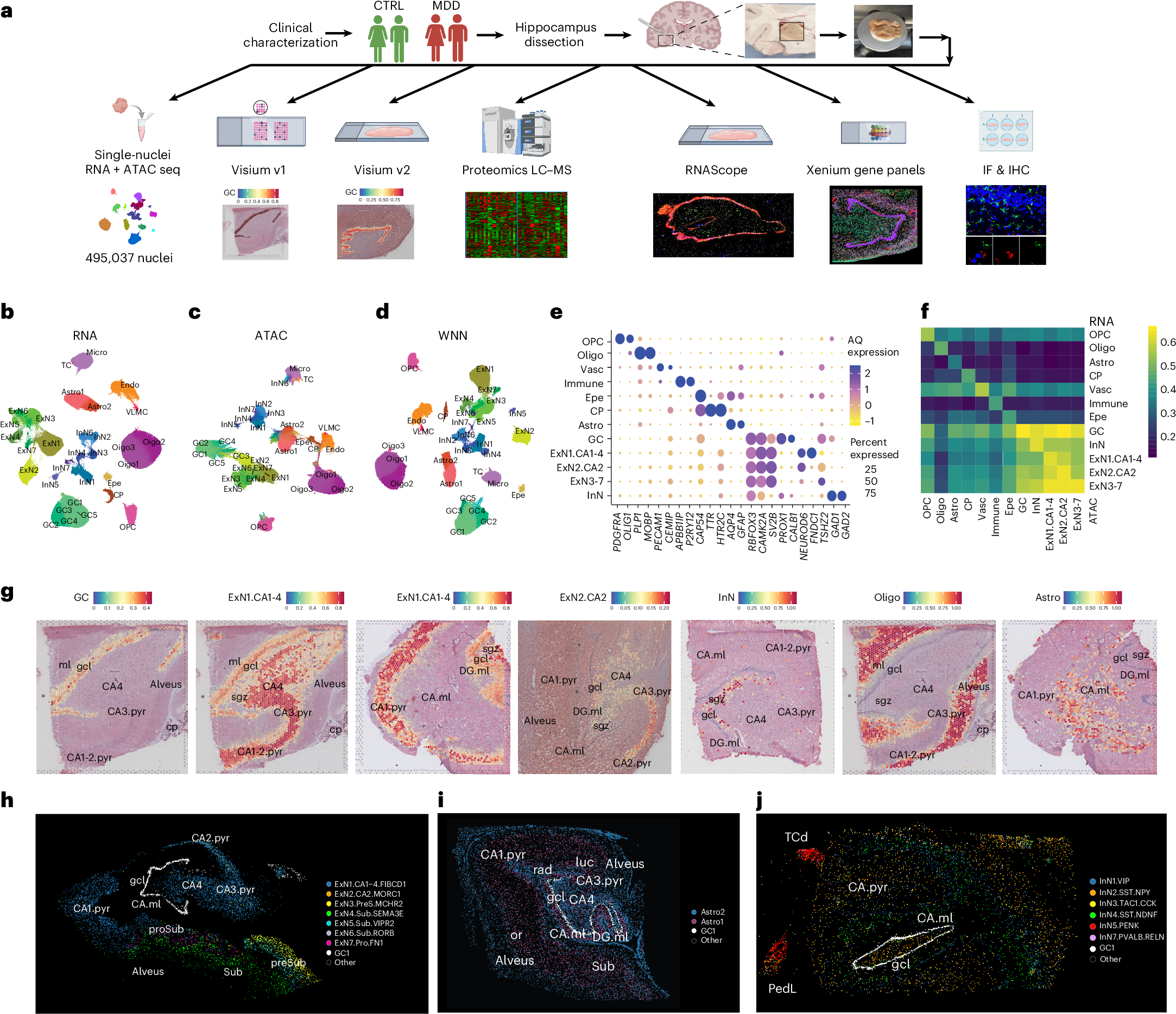
Major depressive disorder (MDD) is associated with reduced hippocampal volume, altered connectivity and negative memory bias, suggesting disrupted hippocampal plasticity. Dysregulated adult hippocampal neurogenesis is a potential contributor, but its relevance in humans and role in MDD remain unclear. Here we investigated the molecular basis of hippocampal dysfunction in nonmedicated individuals with MDD by integrating analyses of neurogenic trajectories, cell-type- and subfield-specific gene expression, chromatin accessibility and protein expression. We identify a neurogenic lineage in the adult human hippocampal subgranular zone and provide evidence for a stalled neurogenic process in MDD, associated with transcriptional regulation, stress-related reprogramming and interferon signaling across developmental stages. Excitatory and inhibitory neurons show dysregulation of transcription factor networks affecting cell states. Cellular stress, excitatory–inhibitory imbalance, impaired synaptic plasticity, reduced metabolic capacity and immune activation, underlie impaired neurogenesis and reduced hippocampus circuit plasticity. Findings indicate genetic and epigenetic regulation of gene expression in MDD, and overlapping pathogenetic mechanisms with autoimmune, neurodevelopmental and neurodegenerative diseases. This work provides a new understanding of the pathogenesis of hippocampus-dependent cognitive symptoms in MDD and suggests potential therapeutic targets.
Dysregulated adult hippocampal neurogenesis in major depressive disorder
Major depressive disorder (MDD) is associated with reduced hippocampal volume, altered connectivity and negative memory bias, suggesting disrupted hippocampal plasticity. Dysregulated adult hippocampal neurogenesis is a potential contributor, but its relevance in humans and role in MDD remain unclear. Here we investigated the molecular basis of hippocampal dysfunction in nonmedicated individuals with MDD by integrating analyses of neurogenic trajectories, cell-type- and subfield-specific gene expression, chromatin accessibility and protein expression. We identify a neurogenic lineage in the adult human hippocampal subgranular zone and provide evidence for a stalled neurogenic process in MDD, associated with transcriptional regulation, stress-related reprogramming and interferon signaling across developmental stages. Excitatory and inhibitory neurons show dysregulation of transcription factor networks affecting cell states. Cellular stress, excitatory–inhibitory imbalance, impaired synaptic plasticity, reduced metabolic capacity and immune activation, underlie impaired neurogenesis and reduced hippocampus circuit plasticity. Findings indicate genetic and epigenetic regulation of gene expression in MDD, and overlapping pathogenetic mechanisms with autoimmune, neurodevelopmental and neurodegenerative diseases. This work provides a new understanding of the pathogenesis of hippocampus-dependent cognitive symptoms in MDD and suggests potential therapeutic targets.
For the first time, scientists pinpoint brain cells linked to depression
Scientists identified two types of brain cells, neurons and microglia, that are altered in people with depression. Through genomic mapping of post-mortem brain tissue, they found major differences in gene activity affecting mood and inflammation. The findings reinforce that depression has a clear biological foundation and open new doors for treatment development.

Drug reverses age-related cognitive decline within days
Just a few doses of an experimental drug can reverse age-related declines in memory and mental flexibility in mice, according to a new study by UC San Francisco scientists. The drug, called ISRIB, has ...

Magnesium and the Brain: The Original Chill Pill
Magnesium is an old home remedy for all that ails you, including "anxiety, apathy, depression, headaches, insecurity, irritability, restlessness, talkativeness, and sulkiness."
