


A research article published in Neurology found that people in their seventies who were more physically active showed less brain shrinkage over the course
Brains of overweight people ‘ten years older’ than lean counterparts at middle-age
Our brains naturally shrink with age, but scientists are increasingly recognising that obesity – already linked to conditions such as diabetes, cancer and heart disease – may also affect the onset and progression of brain ageing; however, direct studies to support this link are lacking.

Being physically active at any time in adulthood linked to later life cognitive performance
Any regular leisure time physical activity at any age is linked to better brain function in later life, but maintaining an exercise routine throughout adulthood seems to be best for preserving mental acuity and memory, suggests a long term study published online in the Journal of Neurology Neurosurgery & Psychiatry.

How Exercise Might "Clean" the Alzheimer's Brain
Hints at potential treatments for age-related dementia and memory loss

Study Reveals a Surprising Cause of Cognitive Decline—and the Key to Reversing It
Researchers pinpoint a lone protein that speeds up the dysfunction of an aging brain. Eliminating it, they claim, can reverse the damage. But there are big hurdles before a treatment is approved.

10 Best Exercises To Do in Your 50s To Slow Down Aging, Expert Says
Growing older means losing muscle mass. These exercises to slow aging in your 50s will help keep you strong and independent.

Dance training is superior to repetitive physical exercise in inducing brain plasticity in the elderly
Animal research indicates that a combination of physical activity and sensory enrichment has the largest and the only sustaining effect on adult neuroplasticity. Dancing has been suggested as a human homologue to this combined intervention as it poses demands on both physical and cognitive functions. For the present exploratory study, we designed an especially challenging dance program in which our elderly participants constantly had to learn novel and increasingly difficult choreographies. This six-month-long program was compared to conventional fitness training matched for intensity. An extensive pre/post-assessment was performed on the 38 participants (63–80 y), covering general cognition, attention, memory, postural and cardio-respiratory performance, neurotrophic factors and–most crucially–structural MRI using an exploratory analysis. For analysis of MRI data, a new method of voxel-based morphometry (VBM) designed specifically for pairwise longitudinal group comparisons was employed. Both interventions increased physical fitness to the same extent. Pronounced differences were seen in the effects on brain volumes: Dancing compared to conventional fitness activity led to larger volume increases in more brain areas, including the cingulate cortex, insula, corpus callosum and sensorimotor cortex. Only dancing was associated with an increase in plasma BDNF levels. Regarding cognition, both groups improved in attention and spatial memory, but no significant group differences emerged. The latter finding may indicate that cognitive benefits may develop later and after structural brain changes have taken place. The present results recommend our challenging dance program as an effective measure to counteract detrimental effects of aging on the brain.
With muscles, 'use it or lose it' rings true
New research offers convincing evidence that the 'typical' muscle loss that begins at about 40 has more to do with lack of use than aging alone
The Best Exercise for Aging Muscles (Published 2017)
Certain kinds of exercise may mitigate the effects of aging at the cellular level.

The Best Exercise for Aging Muscles (Published 2017)
Certain kinds of exercise may mitigate the effects of aging at the cellular level.
Preventing Muscle Loss as We Age (Published 2018)
Sarcopenia, a decline in skeletal muscle in older people, contributes to loss of independence.

The Strength Training Habits That Slow Aging, According to Science
Exercise is so beneficial to your health, and we're here to share the strength training habits that slow aging, according to science.
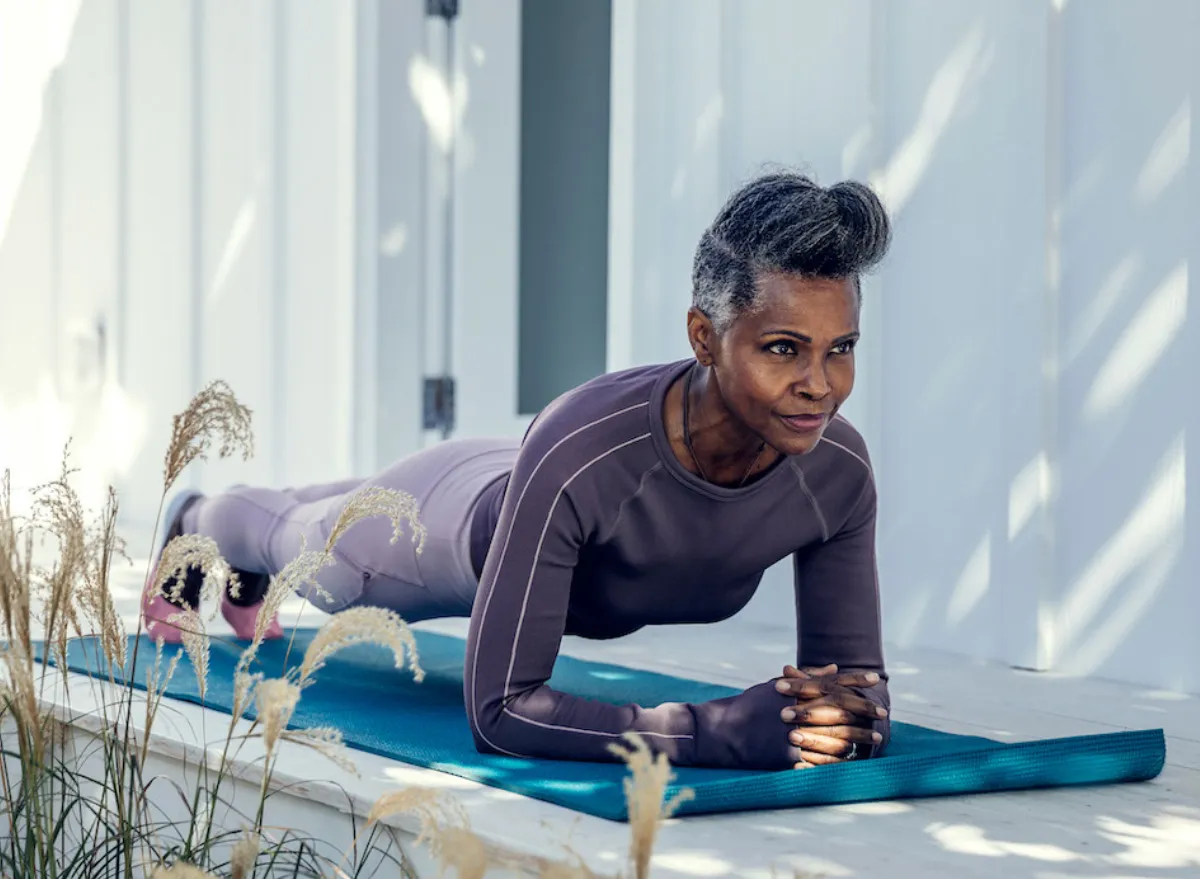
Study Reveals How Much Exercise Older Adults Need Each Week To Live Longer
New research suggests that this level of physical activity can help you extend your lifespan, improve your cognition and more.

10 Science-Backed Ways to Keep Your Brain Healthy
Boost brainpower and prevent cognitive decline.

Does Exercise Slow the Aging Process?
Almost any amount and type of physical activity may slow aging deep within our cells, and middle age may be a critical time to get the process rolling.

A Neurologist’s Tips to Protect Your Memory (Published 2022)
A new book by a renowned brain expert says there are a few simple things we can do to prevent memory decline as we age.
