


The power of suggestion can be an incredible thing, and in few way is this more apparent than with the placebo effect. Now, newly published research
Learning One’s Genetic Risk Might Affect Eating and Exercise
Thinking about genetic risk for obesity-related traits — whether or not that information is true — may trigger placebo and nocebo effects.

Neurobiological Mechanisms of the Placebo Effect
Any medical treatment is surrounded by a psychosocial context that affects the therapeutic outcome. If we want to study this psychosocial context, we need to eliminate the specific action of a therapy and to simulate a context that is similar in all respects to that of a real treatment. To do this,

Many surgical interventions are little better than placebo
A succession of clinical trials is upending the field

Creating Scientific Theories with Online Communities using Gut Instinct
People's lived experiences provide intuitions about their health. Can they transform these personal intuitions into scientific theories that inform both science and their lives? My research introduces social computing architectures and system principles for people to brainstorm and test causal scientific theories. These ideas are instantiated in the Gut Instinct system (gutinstinct.ucsd.edu). 344 voluntary online participants from 27 countries created 399 personally-relevant questions about the human microbiome, 75 (19%) of which microbiome experts found potentially scientifically novel. To test their theories, end users design structurally-sound experiments, improve them via community reviews, and run them with other participants. Controlled experiments show that participants create better hypotheses and experimental designs when they have access to procedural training. My research illustrates a novel way to tackle complex, creative tasks online by building expertise in online volunteer communities.

Success of experimental Alzheimer’s drug hailed as ‘historic moment’
Study shows cognition in early-stage patients on lecanemab declines by 27% less than those on placebo
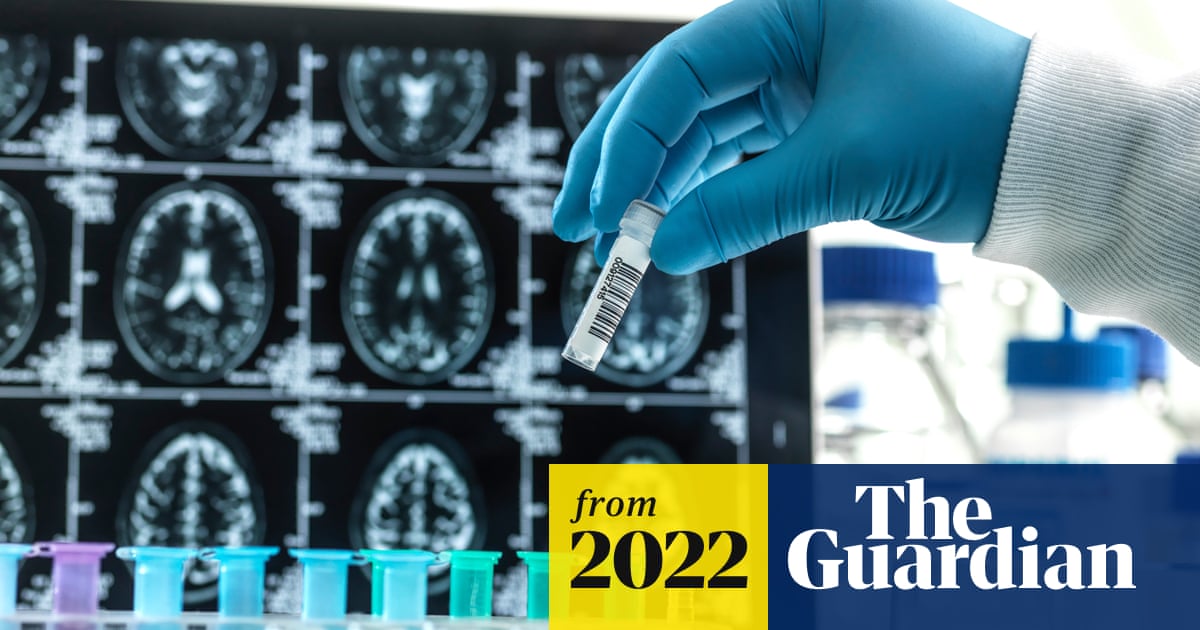
Dopamine: Motivation, Salience and Learning - A Genetic Perspective
New Stanford Study: A Positive Attitude Literally Makes Your Brain Work Better
A new brain scan study has revealed exactly how positivity affects the brain (and it's impressive).

New Insights into Self-Insight: More May Not Be Better
An innovative study technique yields surprising results that counter the popular idea that knowing yourself is good for you
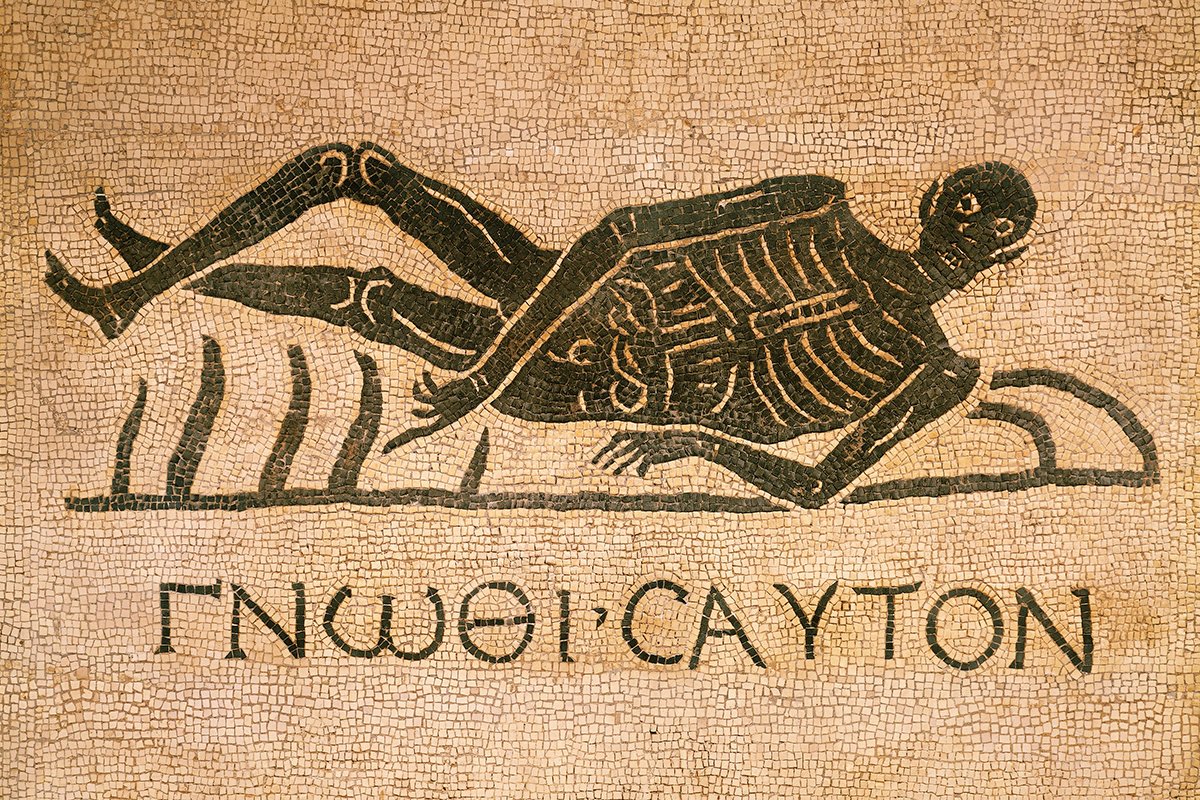
The "screw you" effect and other perils of informed volunteers
It's important to keep experimental subjects in the dark; this isn't hard when they're rats, but can be challenging when they're humans. An informed human

Nikhil Krishnan on Twitter / X
yeah there used to be a company called Eureka that powered these types of observational, more lifestyle style studies (here's an example looking at coffee's effect on different biomarkers/conditions)https://t.co/urQRvTVTb7I think it can work if you have enough people in…— Nikhil Krishnan (@nikillinit) September 14, 2025
Israeli study: Food supplement could lower Prozac dosage, reduce side effects
Taken alongside drug, plant-derived substance shown to reduce dose needed to calm mice; researchers hope this could translate to humans

Can we trust LLMs to judge whether a research idea is novel?
A Blog post by Ai2 on Hugging Face

How Information is Like Snacks, Money, and Drugs To Your Brain - Slashdot
A new study by researchers at UC Berkeley's Haas School of Business has found that information acts on the brain's dopamine-producing reward system in the same way as money or food. From a report: "To the brain, information is its own reward, above and beyond whether it's useful," says Assoc. Prof. ...

PubPeer - Efficacy of oral folinic acid supplementation in children wi... | Ioana A. Cristea | 13 comments
Over the last week, I have privately been in contact with several friends and collaborators over the *SINGLE* study that was cited by the FDA in supporting the label extension of leucovorin for autism spectrum disorders. https://lnkd.in/dHpfCt_9 https://lnkd.in/dYWbHXyY Given the enormous importance of this study, and the fact that the results look too good to be true and there are various signals I would have thought would have raised a sleuth eyebrow (for example, Table 1 where all categorical values in each group except for 1 differ by exactly one unit), I am very surprised that until now the only Pubpeer comments are by two MDs and by myself, pointing to some inconsistencies between tables and figures. https://lnkd.in/duFQDccr I have also formally asked the authors for the individual participant data. Perhaps given this is not some random wacky study about how much food can one eat in a fast-food or some obscure paper citing another obscure retracted paper, but the SINGLE study that now underpins the retrospective post-marketing approval of an entire treatment, the very large community of people who want to correct science ASAP particularly when findings have huge policy implications could join me in scrutinizing this study to make sure findings are reliable and that the data are correct and analyzed correctly. | 13 comments on LinkedIn
New study finds that when people help collect data or contribute to research it can build public trust by making scientists feel personally familiar and approachable, and that trust then spreads to how local and tangible the research feels. jcom.sissa.it/article/pubid/JCOM_2506_2026_…

How can citizen science reduce psychological distance to science? Insights from three projects in contested environmental contexts
jcom.sissa.it