


While musing on Twitter about an app that could generate a "wholly fictitious but believable Facebook persona," William Gibson received confirmation (or
How William Gibson Keeps His Science Fiction Real
Midway through his career, the inventor of “cyberspace” turned his attention to a strange new world: the present.

The Future Is a Lonely Place, in William Gibson's The Peripheral
With his new novel The Peripheral, William Gibson returns to the genre that made him famous: near-future science fiction. But the world of The Peripheral

The Peripheral
William Gibson's best novel tells us a lot about where we are and where we might end up.

William Gibson, The Art of Fiction No. 211
“I wanted to make room for antiheroes.”

Pluralistic: William Gibson vs Margaret Thatcher (17 Mar 2026) – Pluralistic: Daily links from Cory Doctorow
William Gibson is one of history's most quotable sf writers: "The future is here, it's not evenly distributed"; "Don't let the little fuckers generation-gap you"; "Cyberspace is everting"; and the immortal: "The street finds its own uses for things":
Neuromancer's William Gibson Comes to Comics With Archangel
William Gibson is one of the most iconic writers of science fiction around, and now he’s turning his hand to the world of comics for the very first time
Fiction vs Reality: My Texts with Michael Shellenberger
For several months earlier this year, I’d been chatting with Michael Shellenberger about the Twitter Files.
J. K. Gibson-Graham
J. K. Gibson-Graham is a pen name shared by feminist economic geographers Julie Graham and Katherine Gibson. The two professors' landmark first book The End of Capitalism (As We Knew It) was first published in 1996 (a second edition with a new Introduction was published in 2006), followed by A Postcapitalist Politics in 2006. The two scholars also founded the Community Economies Collective (CEC), the Community Economies Research Network (CERN) and the Community Economies Institute (CEI), all "international collaborative networks of researchers who share an interest in theorizing, discussing, representing and ultimately enacting new visions of economy."[1] Gibson-Graham's works focus on untying the economy from capitalism and the possibility of transforming economic relations within existing conditions.
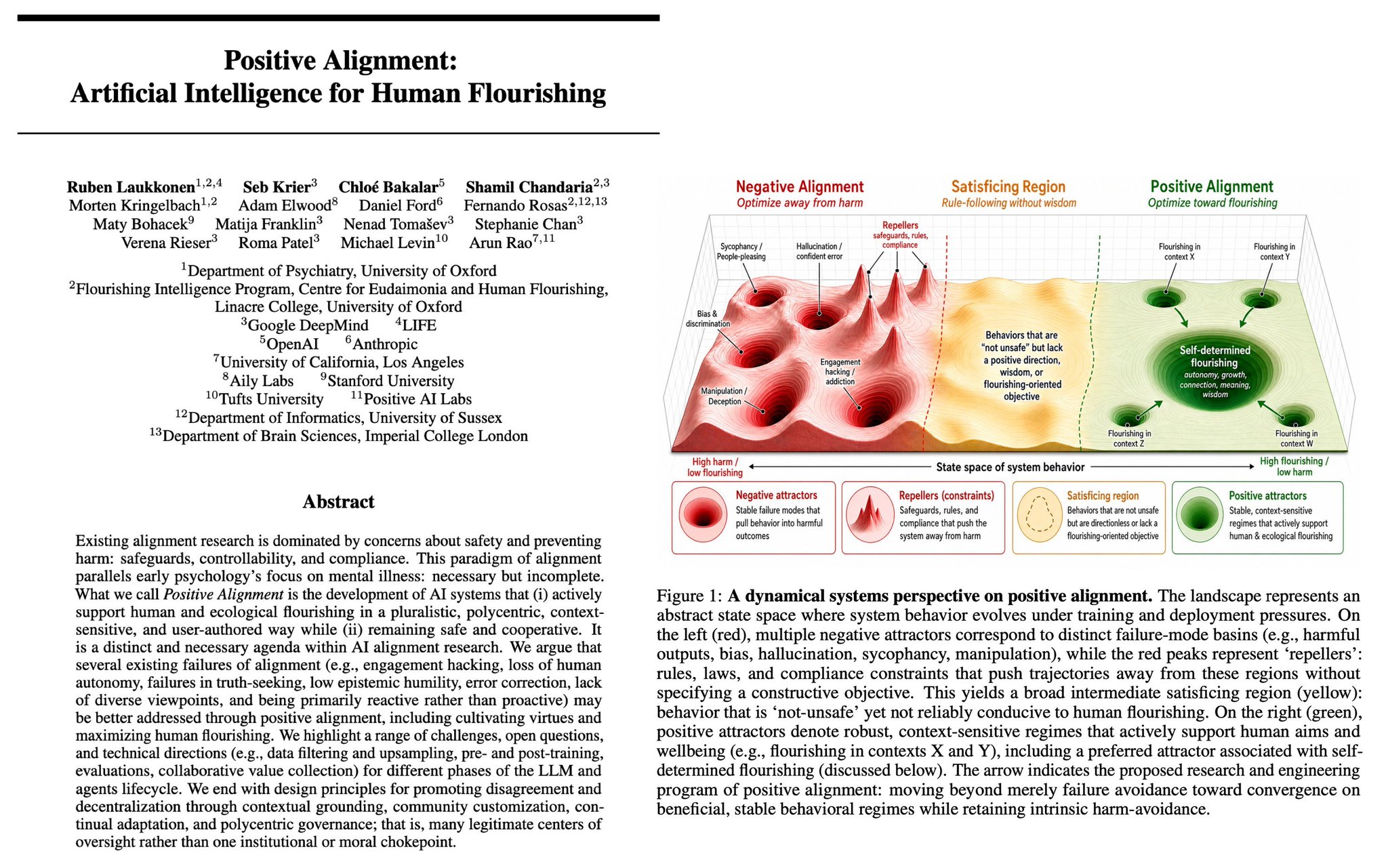
Cas (Stephen Casper) on Twitter / X
It is hard to overstate how disappointing I think this new paper from Oxford, OpenAI, Anthropic, and Google (et al) is. I can't take it seriously as academic work, just as propaganda. It also has some very bad scholarship and questionable adherence to research ethics. Having… pic.twitter.com/Z5fBx360ya— Cas (Stephen Casper) (@StephenLCasper) May 13, 2026
Weird Studies
Professor Phil Ford and writer J. F. Martel host a series of conversations on art and philosophy, dwelling on ideas that are hard to think and art that opens up rifts in what we are pleased to call "reality."
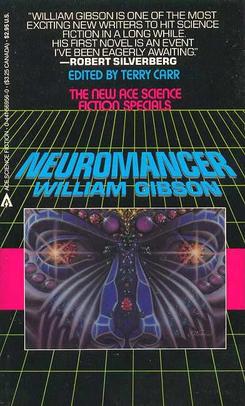
Neuromancer
Neuromancer is a 1984 science fiction novel by William Gibson. Set in a near-future dystopia, the narrative follows Case, a computer hacker enlisted into a crew by a powerful artificial intelligence and a traumatised former soldier to complete a high-stakes heist. It was Gibson's debut novel and, after its success, served as the first entry in the Sprawl trilogy, followed by Count Zero (1986) and Mona Lisa Overdrive (1988).
Facebook is losing control of the narrative — and maybe the platform
How the Cambridge Analytica story became a crisis

Up for Debate: Can Social Media Solve Real-World Problems?
Future Perfect author Steven Johnson takes Evgeny Morozov to task for his critical book review.

THE SOCIAL RECKONING – Official Teaser Trailer (HD)
Can we trust LLMs to judge whether a research idea is novel?
A Blog post by Ai2 on Hugging Face
