Young-earth creationists don't ignore science. Instead, they reinterpret it to fit their belief system. One paleontologist was curious to find out what
"Paleofantasy": Stone Age delusions
An evolutionary biologist explains why everything you think you know about cavemen (and their diet) is wrong

Magnets, magic, and other anomalies : in defense of methodological naturalism
Recent critiques of methodological naturalism (MN) claim that it fails by conflicting with Christian belief and being insufficiently humble. We defend MN by tracing the real history of the debate, contending that the story as it is usually told is mythic. We show how MN works in practice, including among real scientists. The debate is a red herring. It only appears problematic because of confusion among its opponents about how scientists respond to experimental anomalies. We conclude by introducing our preferred approach, Science‐Engaged Theology.
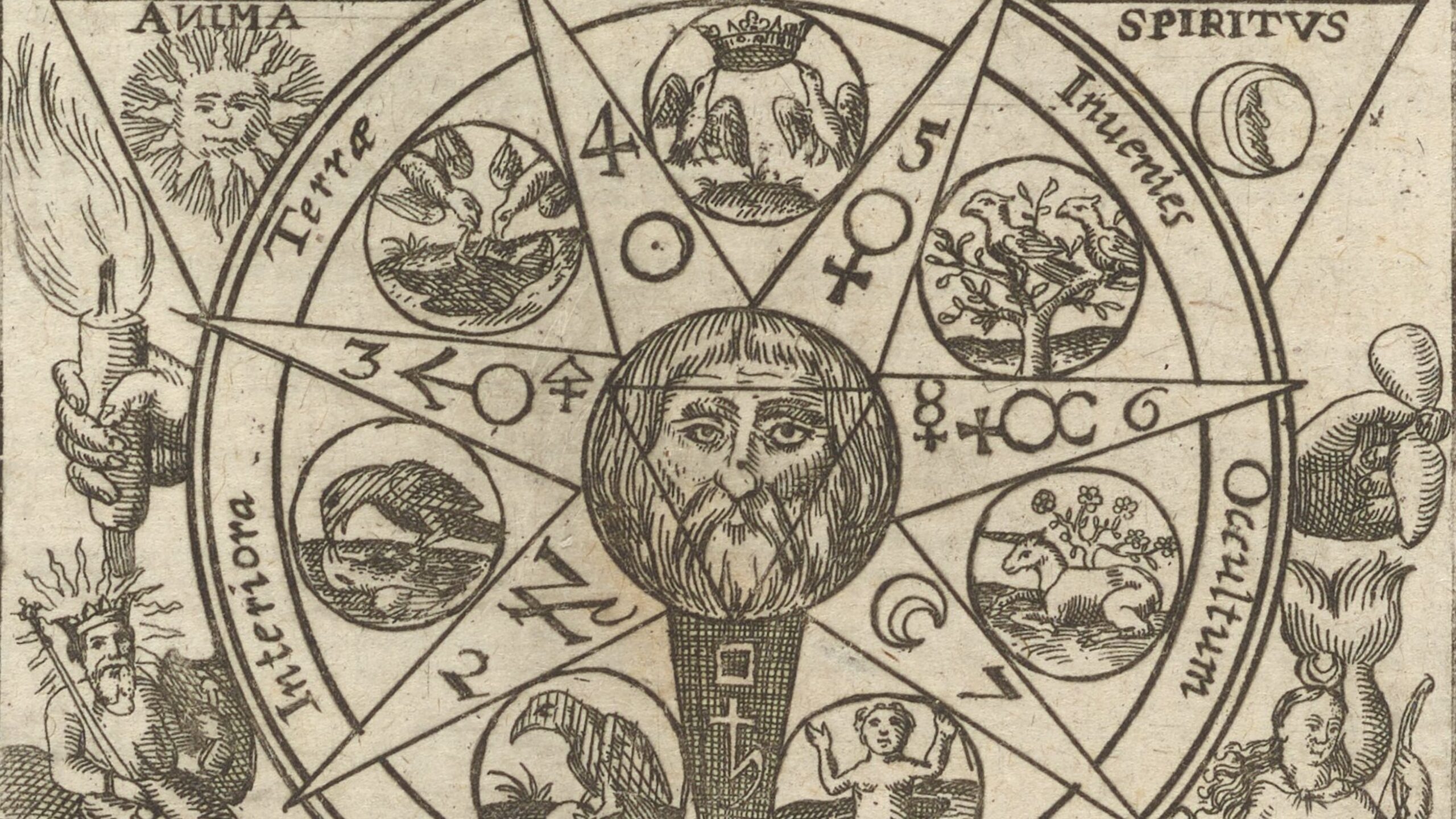
'A reckoning for our species': the philosopher prophet of the Anthropocene
The long read: Timothy Morton wants humanity to give up some of its core beliefs, from the fantasy that we can control the planet to the notion that we are ‘above’ other beings. His ideas might sound weird, but they’re catching on

The Science of Why We Don’t Believe Science
How our brains fool us on climate, creationism, and the vaccine-autism link.

The Scientist Who Scrambled Darwin’s Tree of Life (Published 2018)
How the microbiologist Carl Woese fundamentally changed the way we think about evolution and the origins of life.

A Billion Black Anthropocenes or None
Check out A Billion Black Anthropocenes or None - <p><b>Rewriting the “origin stories” of the Anthropocene</b><br /><br /> No geology is neutral, writes Kathryn Yusoff. Tracing the color line of the Anthropocene, <i>A Billion Black Anthropocenes or None</i> examines how the grammar of geology is foundational to establishing the extractive economies of subjective life and the earth under colonialism and slavery. Yusoff initiates a transdisciplinary conversation between feminist black theory, geography, and the earth sciences, addressing the politics of the Anthropocene within the context of race, materiality, deep time, and the afterlives of geology.<br /><br /> Forerunners is a thought-in-process series of breakthrough digital works. Written between fresh ideas and finished books, Forerunners draws on scholarly work initiated in notable blogs, social media, conference plenaries, journal articles, and the synergy of academic exchange. This is gray literature publishing: where intense thinking, change, and speculation take place in scholarship.</p> by Kathryn Yusoff on Bookshop.org UK!
Guest post: If you’re going to critique science, be scientific about it
Loren K. Mell Editor’s note: This post responds to a Feb. 13 article in The Atlantic, “The Scientific Literature Can’t Save Us Now,” written by Retraction Watch cofounders Adam Marcus and Ivan Oran…

What Can Ecotheology Learn from Science-Engaged Theology?
The recent popularity of science-engaged theology has prompted several reflections on methodological frameworks and scholarly approaches within the field of science-and-religion. This article seeks to ask what, if anything, ecotheology might learn, both positively and negatively, from science-engaged theology. Is it helpful to think in terms of an ecologically engaged theology, and, if so, what are its principal features? The article engages with eight key characteristics of science-engaged theology: a commitment to empirically testable claims; an awareness of the instability of terms like “science” and “religion”; a rejection of overarching typologies; an insistence on very specific research questions; a desire to see science as a source for theology; a wider “theological turn” in scholarly approach; a hope for two-way exchange between scientists and theologians; and an invitation to all theologians to engage with the sciences. In each case, there are potential lessons for ecotheology to learn.

Darwin the abolitionist
The theory of evolution is regarded as a triumph of disinterested scientific reason. Yet, on the 150th anniversary of "On the Origin of Species," new research reveals that Darwin was driven to the idea of common descent by a great moral cause
Ramin Saadat, Reasoning: From Biological Foundations to the Hidden Thread of Shared Understanding - PhilArchive
This paper investigates the nature and origins of human reasoning by synthesizing insights from classical philosophy, evolutionary biology, and contemporary neuroscience. Moving beyond the Aristotelian definition of zoon logon echon, which ...

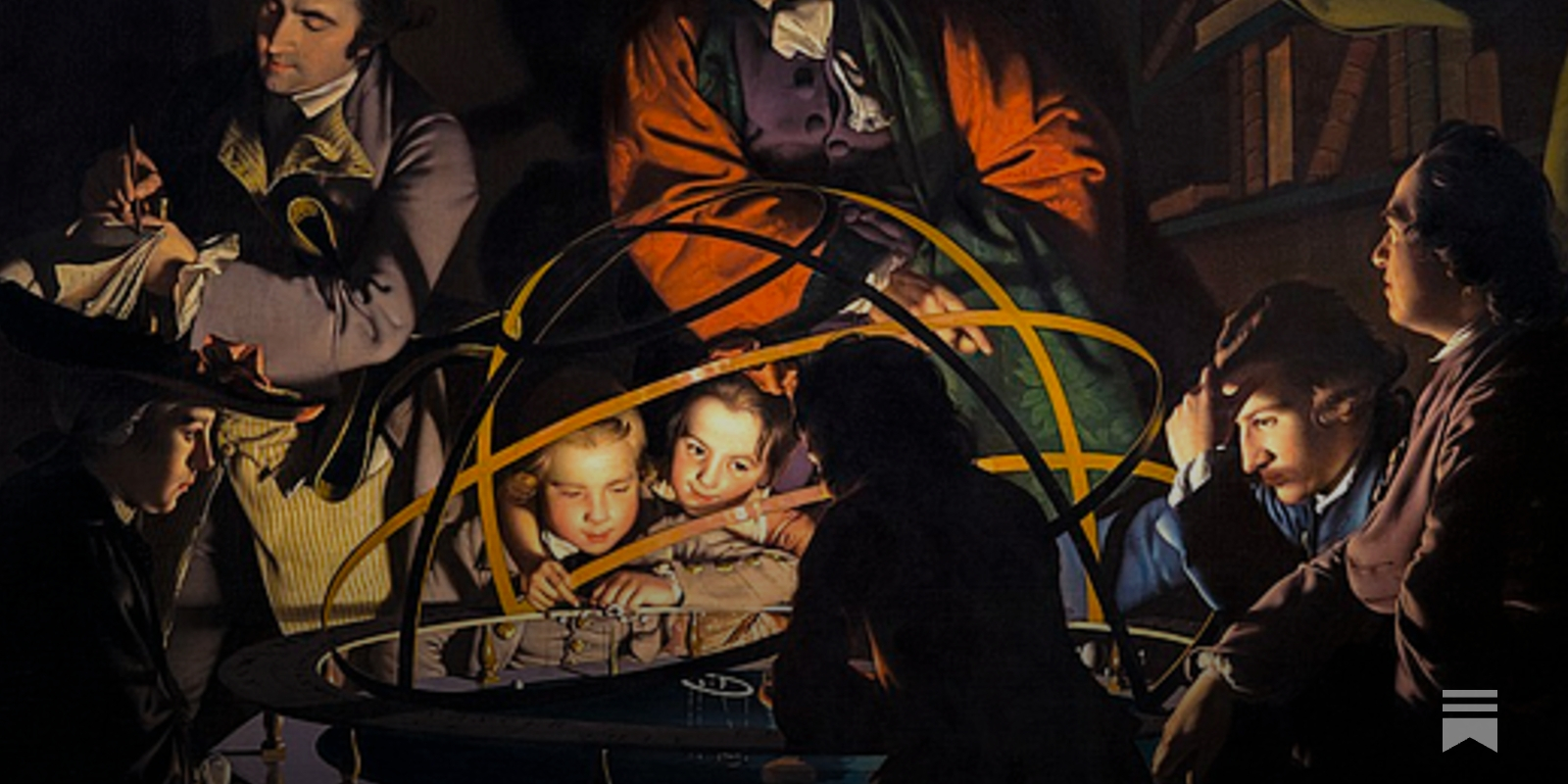
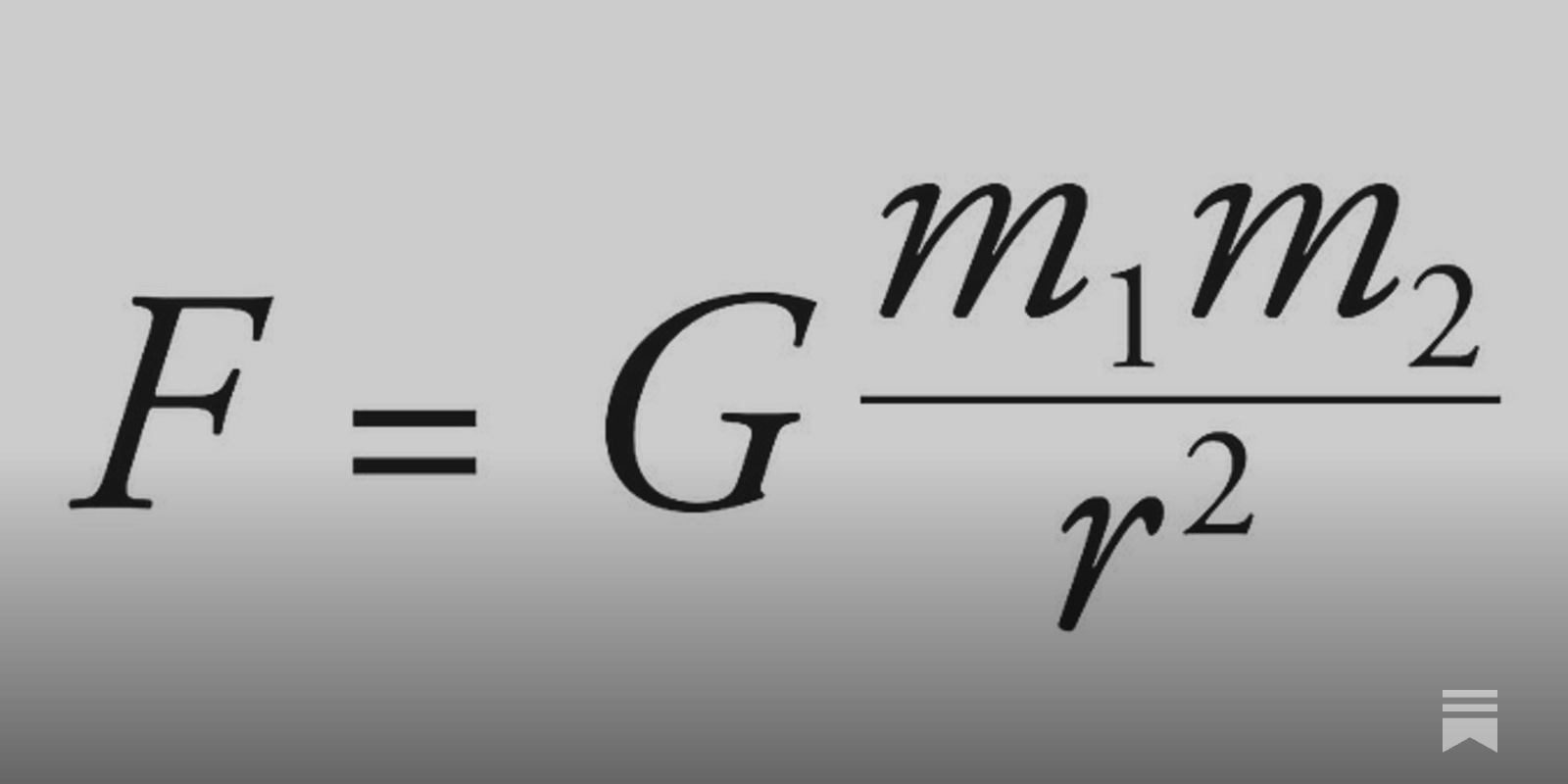
Newton's "Absurdity"
A look at the history of scientific progress through an often unused perspective: the people that actually lived it.