


Numerous animals, humans included, have adapted to living in cold climates by increasing their body size. And now, researchers have found that people
Exercise Alters Our Microbiome. Is That One Reason It’s So Good for Us? (Published 2018)
Lean people were especially responsive to exercise’s effects on the bacterial makeup of our guts.

People who live to 100 have unique gut bacteria signatures
These bacteria could contribute to a healthy gut and, in turn, healthy aging.
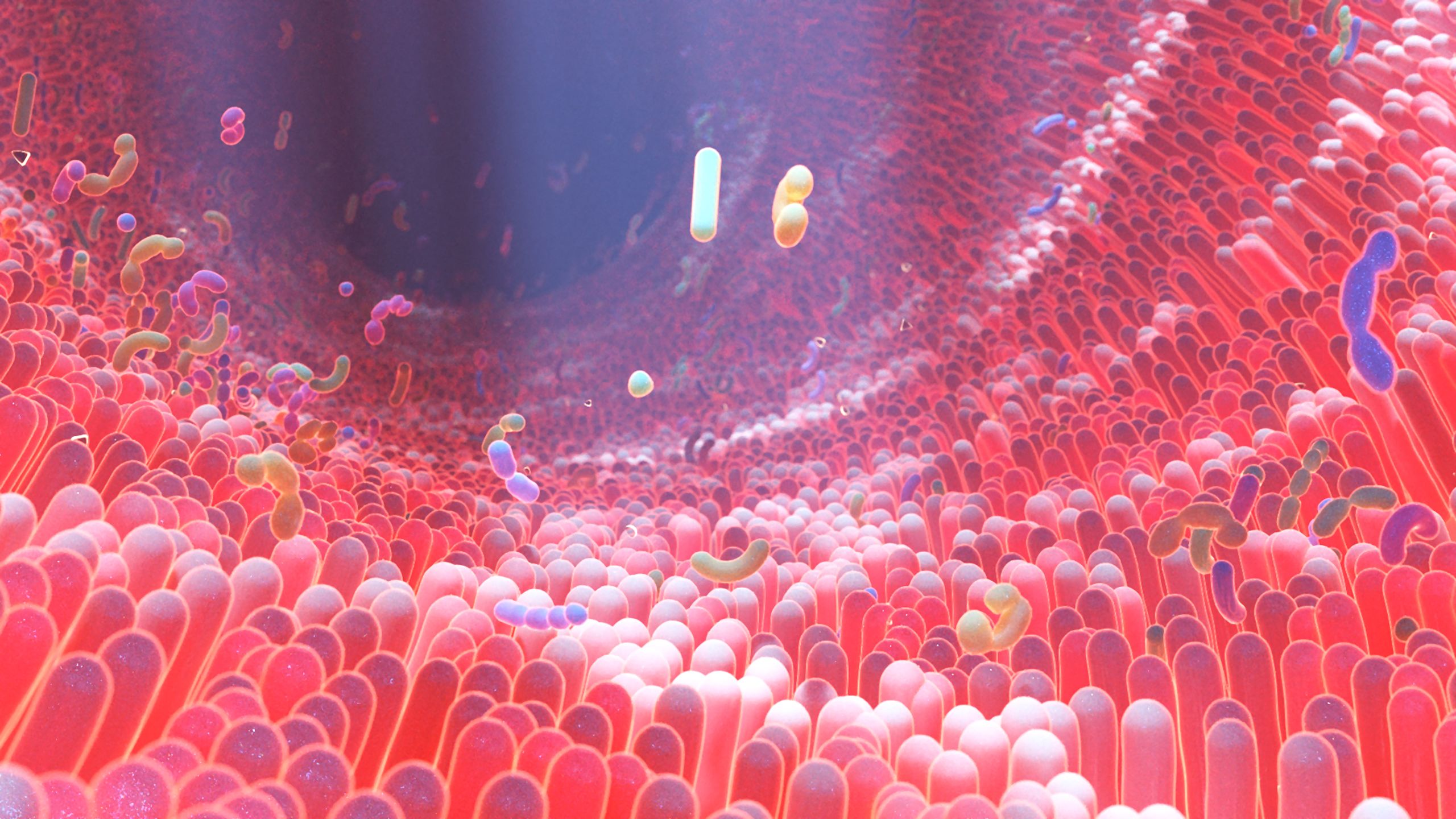
Gut bacteria implicated in weight gain seen after quitting smoking
Weight gain following quitting smoking is such a common phenomenon it is often cited as one of the main reasons people are hesitant to quit. A new mouse study published in the journal Nature has homed in on a potential role the gut microbiome may play in influencing weight gain associated with the cessation of smoking.

Blood type co-determines composition of the gut microbiome
For several years, scientists worldwide have been investigating the extent to which microorganisms living in and on the human body influence central life processes and thus health and disease. Today they ...

Got food cravings? What’s living in your gut may be responsible
A new Pitt study shows that the gut microbiome of mice influences their preferred diet. The results, researchers say, could apply to humans, too.

A single fecal transplant linked to long-lasting health improvements
A single fecal microbiota transplant in obese teens was linked to long-lasting metabolic improvements, including smaller waistlines, reduced body fat, lower inflammation, and better cholesterol levels, with some benefits still evident four years later.

Gut Microbiome Health Linked to Social Circles
A new study of lemurs has determined social circles to be the most influential determinant of gut microbiome. What does this mean for humans?

The contribution of gut bacterial metabolites in the human immune signaling pathway of non-communicable diseases
The interaction disorder between gut microbiota and its host has been documented in different non-communicable diseases (NCDs) such as metabolic syndrome, neurodegenerative disease, and autoimmune ...

Gut Bacteria Change as You Get Older--and May Accelerate Aging
Microbe types in older people’s intestines are different and are linked to disease

Largest ever microbiome study offers novel insights into gut bacteria and human health
The American Gut Project – a global, crowdsourced citizen science effort – has published the first results from one of the biggest gut microbiome studies performed to date. The study is only observational, fueled by self-reports from participants, but it offers a compelling snapshot into the complex relationship between gut bacteria and human health.
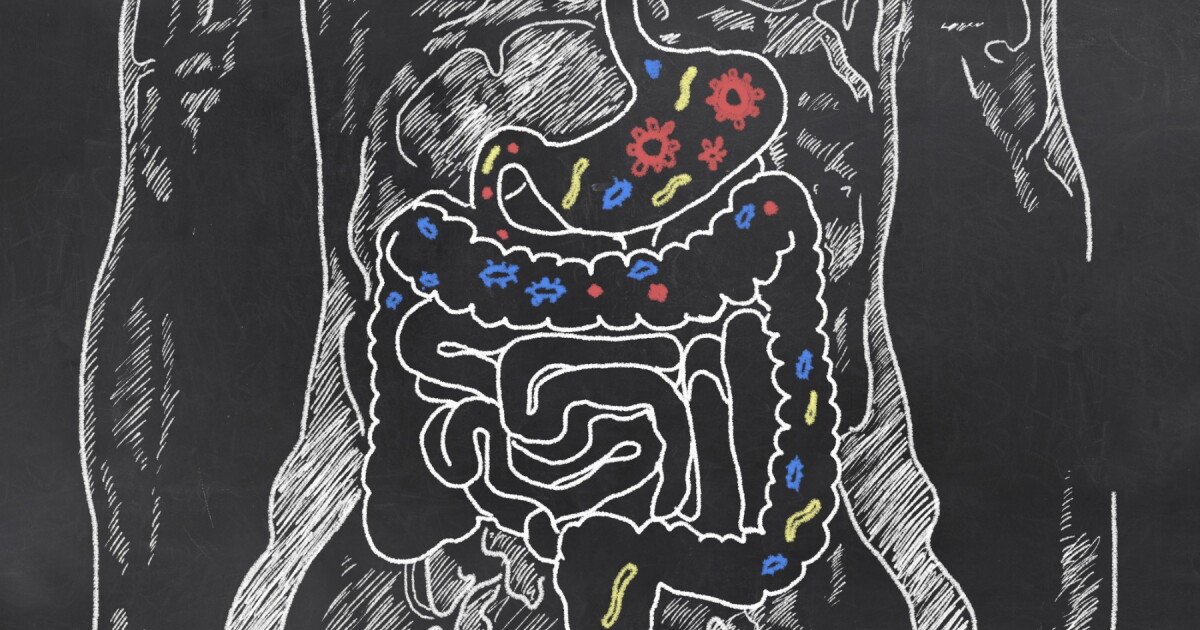
Persistence pays off in the human gut microbiome
The human gut microbiome is a complex community of trillions of microbes that are constantly interacting with each other and our bodies. It supports our wellbeing, immune system and mental health—but ...

Study Finds Probiotics 'Not As Beneficial For Gut Health As Previously Thought' - Slashdot
An anonymous reader quotes a report from The Guardian: The gut microbiome is the sum total of all the micro-organisms living in a person's gut, and has been shown to play a huge role in human health. New research has found probiotics -- usually taken as supplements or in foods such as yoghurt, kimch...

Diet plan tailored to your gut microbiome could lower disease risk
An international team of researchers led from London analysed the diet, health and gut microbiomes of more than 1,100 participants from the UK and the US.

New study found the importance of dietary fiber: isn’t just the easier pooping but fermentable fiber -dietary carbohydrates that the human gut cannot process on its own but some bacteria can digest- is also an essential source of nutrients that your gut microbes need to stay healthy
28K votes, 1.2K comments. 35M subscribers in the science community. This community is a place to share and discuss new scientific research. Read…
Scientists bust myth that our bodies have more bacteria than human cells
Decades-old assumption about microbiota revisited.

Interactions between gut microbiota and skeletal muscle
The gut microbiota is now recognized as a major contributor to the host’s nutrition, metabolism, immunity, and neurological functions. Imbalanced microbiota (ie, dysbiosis) is linked to undernutrition-induced stunting, inflammatory and metabolic diseases, and cancers. Skeletal muscle also takes part in the interorgan crosstalk regulating substrate metabolism, immunity, and health. Here, we review the reciprocal influence of gut microbiota and skeletal muscle in relation to juvenile growth, performance, aging, and chronic diseases. Several routes involving the vascular system and organs such as the liver and adipose tissue connect the gut microbiota and skeletal muscle, with effects on fitness and health. Therapeutic perspectives arise from the health benefits observed with changes in gut microbiota and muscle activity, further encouraging multimodal therapeutic strategies.
