


One of the most terrifying epidemics of the modern era isn't among humans at all. It's a deadly fungus that attacks bats in the Americas, and it has an
Biology's Brave New World
All the key barriers to the artificial synthesis of viruses and bacteria have been overcome, spawning a dizzying array of perils and promises. But as the scientific community forges ahead, the biosecurity establishment remains behind the curve.

How DNA Editing Could Change Life on Earth
Researchers hope to use the powerful biological tool to alter the genetic destiny of species and eliminate diseases.

Crispr Could Revolutionize the Way We Eradicate Invasive Species
Gene editing isn't brutal like poison, but it could transform our power over nature.

Lab screw-ups with smallpox and anthrax show we must rethink biosecurity
Self-regulation by biologists was successful in the past but may now be too risky.
Let’s Become Fungal!
Inspired by conversations with: Francisca Álvarez Sánchez, Carolina Caycedo, Annalee Davis, Maya Errázuriz, Juan Ferrer, Lilian Fraiji, Giuliana Furci, Sofía Gallisá Muriente, Yina Jiménez Suriel, Patricia Kaishian, Mirla Klijn and Olaf Boswijk, Lola Malavasi and Daniela Morales Lisac, Martina Manterola and Carmen Serra, Camila Marambio, Mariana Martínez Balvanera, Claudia Martínez Garay, Lina Meija and Luciana Fleischman, Tomaz Morgado Françozo and Marília Carneiro Brandão, Marion Neumann, Maria Alice Neves, Tara Rodríguez Besosa, Raquel Rosenberg, Juli Simon, Ela Spalding, Gianine Tabja, Gabriela Flores del Pozo and Lucia Monge, Fer Walüng, Tatyana Zambrano

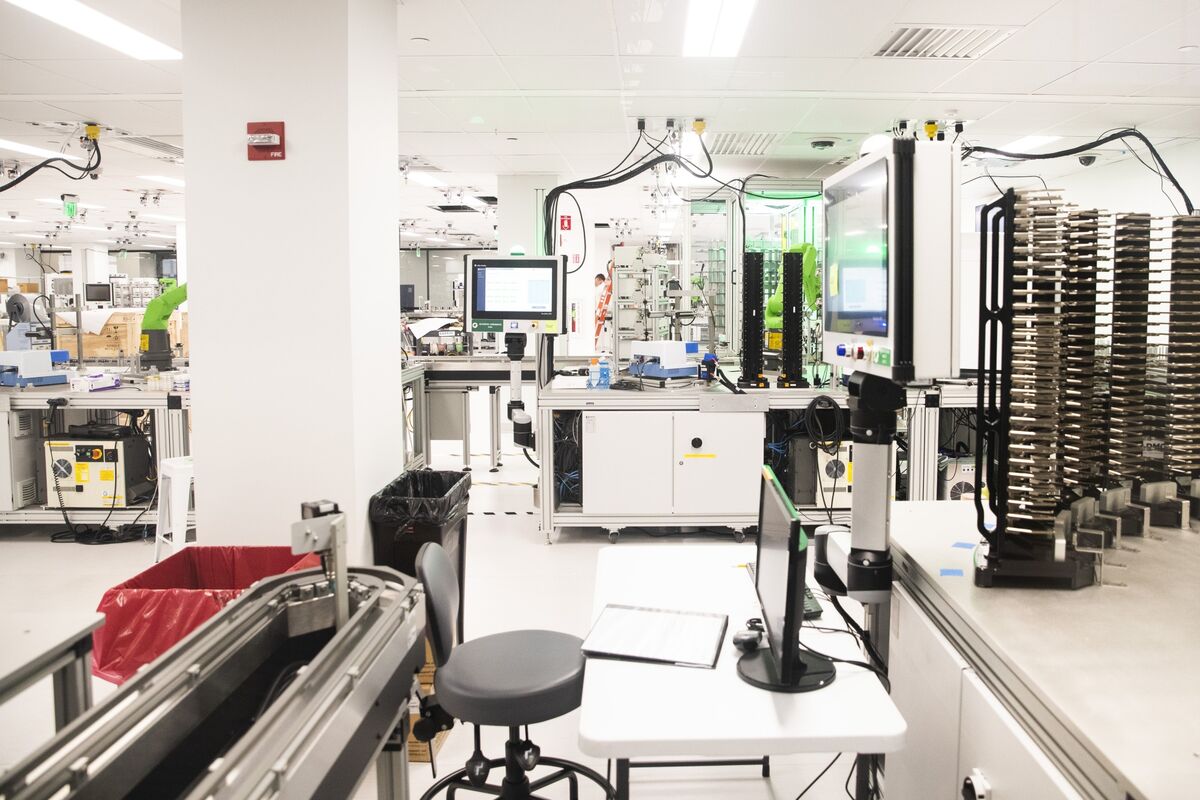
Ginkgo Bioworks (NYSE:DNA) Trying to Prevent Future Man-Made Biological Threats
Synthetic biology firm Ginkgo Bioworks has developed tools that US intelligence agencies can use to detect engineered DNA at scale, a milestone that could better protect the nation from human-made biological threats. The new software could be used to provide an early warning of bioweapons, such as a new deadly bacteria, or a modified virus that thwarts existing vaccines.
Infecting gut microbes with CRISPR-loaded virus demonstrates potential for microbiome gene editing
In a first, researchers at the UC San Francisco have successfully used the DNA-editing system, CRISPR to alter the genomes of bacteria living in the guts of mammals, a development which stands to advance ...

Plant-based diets crucial to saving global wildlife, says report
Vicious circle of cheap but damaging food is biggest destroyer of nature, says UN-backed report
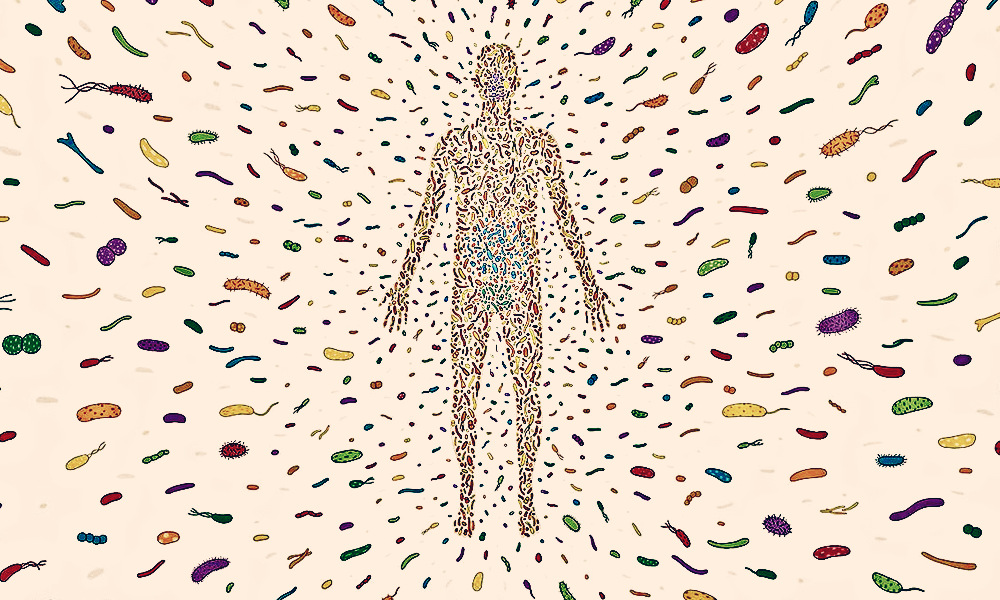
Tending the Body’s Microbial Garden (Published 2012)
As we learn more about the trillions of microbes we carry around, some scientists want to be like wildlife managers — nurturing the good and weeding out the bad.

The Genesis Engine
Editing DNA is now cut-and-paste. We could eliminate disease, cure hunger—or break the world.

The type and frequency of animals coming down with COVID is trying to tell us something about the future of the pandemic. Scientists are on the case | Fortune
The health of people, animals, plants, and the environment are inexorably intertwined, experts say

On #CRISPR gene drives, the human cost of anti-science, dangers of closed-door science, & more: @kesvelt @ #EAGlobal https://t.co/HLzzOE1Fut
On #CRISPR gene drives, the human cost of anti-science, dangers of closed-door science, & more: @kesvelt @ #EAGlobal https://t.co/HLzzOE1Fut— MIT Media Lab (@medialab) August 24, 2016
I believed we would face an antibiotics apocalypse - until now | Richard James
For decades my research showed the dangers of new strains of resistance, and this week we heard of another threat. But there’s been a breakthrough

The Invisible Organ Shaping Our Lives: Milestones in Human Microbiota Research - The MIT Press Reader
A survey of over 300 years of microbiome research.
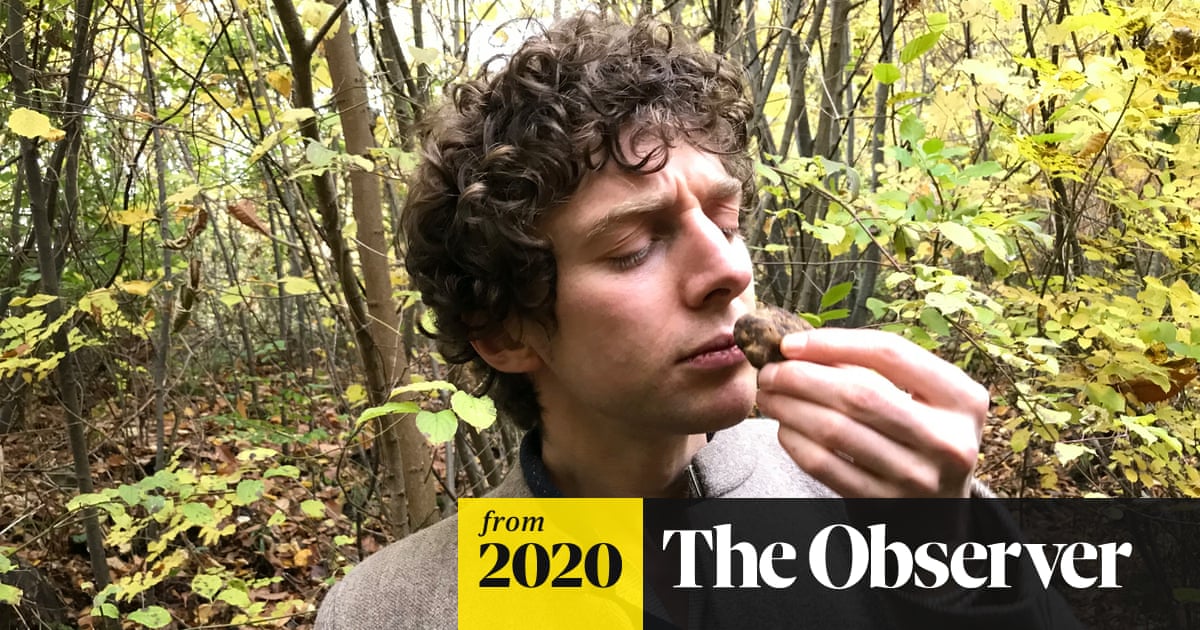
The future is fungal: why the 'megascience' of mycology is on the rise
The study of fungi has long been overshadowed by more glamorous scientific quests. But biologist Merlin Sheldrake is on a mission to change that
DEF CON 25 - John Sotos - Genetic Diseases to Guide Digital Hacks of the Human Genome