


I was a test subject for a real, no-foolin’ neuroscience study with electrodes strapped to my head and everything. It was surprisingly pleasant—until they
I was born and raised in South Jersey. As a kid, I was passionately interested in music, science and nature. Within a year of entering college, I discovered neuroscience and quickly became enamored by the prospect of understanding human cognition in the context of experiment and data-driven analysis.
I kicked my smartphone addiction by retraining my brain to enjoy being bored
As an only child who grew up before the rise of the Internet, boredom was my constant companion. Summers were an endless stretch of riding my bike around town, reading, and staring up into the sky, imagining stories that I later wrote into my tattered journals.

Watching brains on acid using an MRI
Acid may limit the brain's ability to tell internal ideas from external events.
The Neuroscience At The Heart Of Learning And Leading
Joshua Freedman (@eqjosh) shares the science behind what's going on inside your head. Emotional intelligence, he says, is the difference that makes the difference. Photo: Flickr/labguest Marco Iacoboni is one of the pioneers in a new area of neuroscience. A few years ago in Parma, Italy, scientists were researching how the brain [...]

I can’t picture things in my mind. I didn’t realize that was unusual
People with aphantasia can’t mentally visualize things. Mental imagery is a spectrum, and we lie outside it, in the dark

The Cognitive Debt of Digging Through Preprints
Your Brain on MIT Media Lab

Brain activity under anesthesia challenges what we know about consciousness
The unconscious brain appears to be far more capable than scientists once believed. Researchers found that patients under general anesthesia could still process language at a sophisticated level, distinguishing nouns, verbs, and adjectives while listening to stories. Even more remarkably, neural activity showed signs of predicting upcoming words before they were heard. The results challenge traditional ideas about consciousness and hint at new possibilities for brain-computer interfaces.
Watch a thought race across the surface of the brain | TechCrunch
Although neuroscientists have a general idea of what parts of the brain do what, catching them in the act is a difficult proposition. But UC Berkeley researchers have managed to do it, visualizing based on direct measurement the path of a single thought (or at least thread) through the brain.
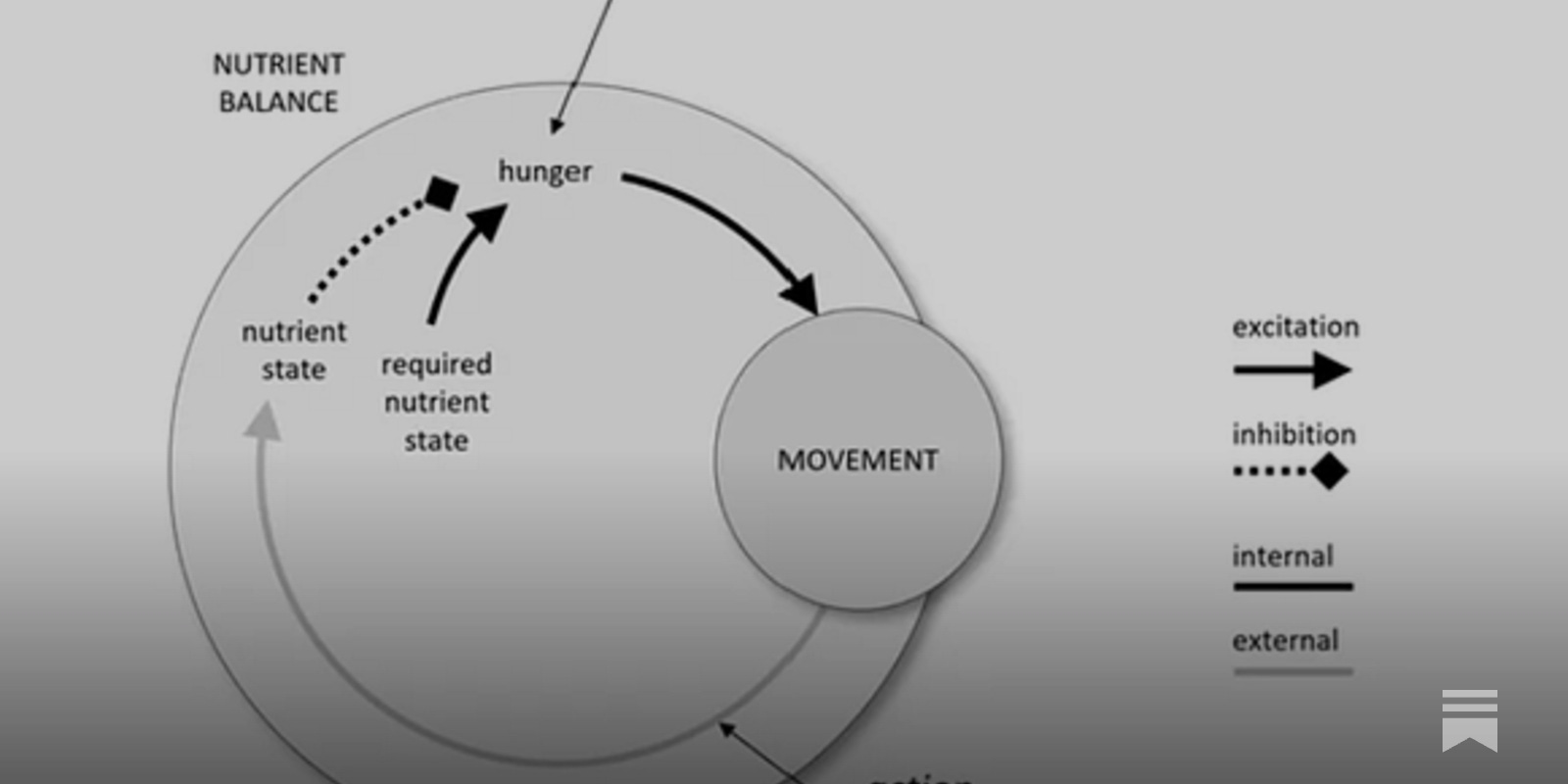
Mystified magicians of the mind
My conversation with neuroscientist Paul Cisek
In-brain monitoring shows memory network - Research & Development World
Working with patients with electrodes implanted in their brains, researchers at the University of California, Davis, and The University of Texas Health Science Center at Houston (UTHealth) have shown for the first time that areas of the brain work together at the same time to recall memories. The unique approach promises new insights into how…

Synchron — Still you.
We build implantable Brain-Computer Interfaces to protect what makes you human.

‘Neurograins’ Could Record Brain Activity From Thousands of Locations
Each of the tiny neurograins features electrodes to pick up electrical signals from brain tissue and circuitry to amplify the signal.

Gazing through a lens, I invent as much as I reveal | Psyche Turning Points
For years I watched people through cameras and screens, filling in the blanks and calling it truth

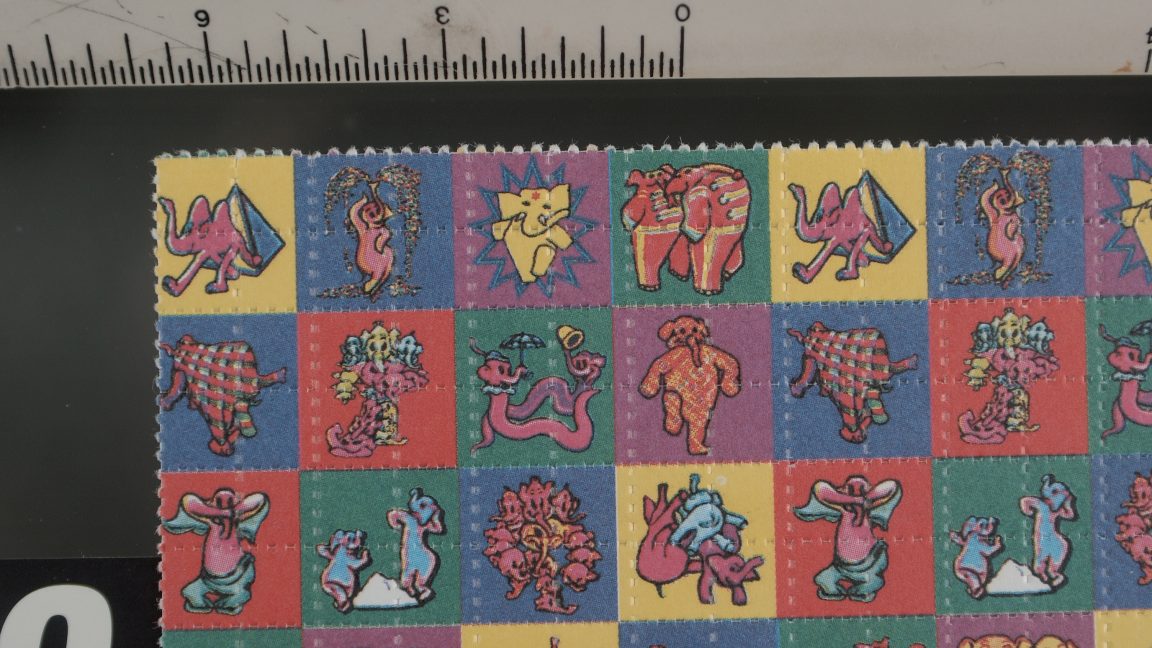
Brain scans show how LSD mimics mind of a baby
Scientists have for the first time scanned the brains of people using LSD and found the psychedelic drug frees the brain to become less compartmentalized and more like the mind of a baby.

This Is What Really Happens to Your Brain When You're Tripping on LSD
For the first time ever, researchers have peered into the brains of people tripping out on LSD. The groundbreaking scans reveal the dramatic extent to
