


Harvard scientists have developed an electrical scaffold that can be injected directly into the brain with a syringe. By using the technique to
Will these wearables finally make us cyborgs?
If you're contemplating becoming a cyborg, you could ease your way via biohacking, which puts implantable tech in the patients' hands.

Massively Scalable Neurotechnologies
Backed by £50m, this programme sits within the Scalable Neural Interfaces opportunity space and is seeking radically new ways to deliver responsive neurotechnologies to the brain without brain surgery.
Brain Computer Interface Company Implants New Type of Device
Synchron’s procedure will help an ALS patient text by thinking, in a major step forward in a nascent industry, with the Brooklyn-based company recently overtaking Elon Musk’s Neuralink.

Synchron — Still you.
We build implantable Brain-Computer Interfaces to protect what makes you human.

Neuroscientists Say They've Found An Entirely New Form of Neural Communication - Slashdot
Scientists think they've identified a previously unknown form of neural communication that self-propagates across brain tissue, and can leap wirelessly from neurons in one section of brain tissue to another -- even if they've been surgically severed. The discovery offers some radical new insights ab...

Neuralink implant enables patient to make YouTube videos with generative AI’s help
Smith is the first non-verbal individual and only the third person globally to receive a Neuralink Brain-Chip Interface (BCI) implant.
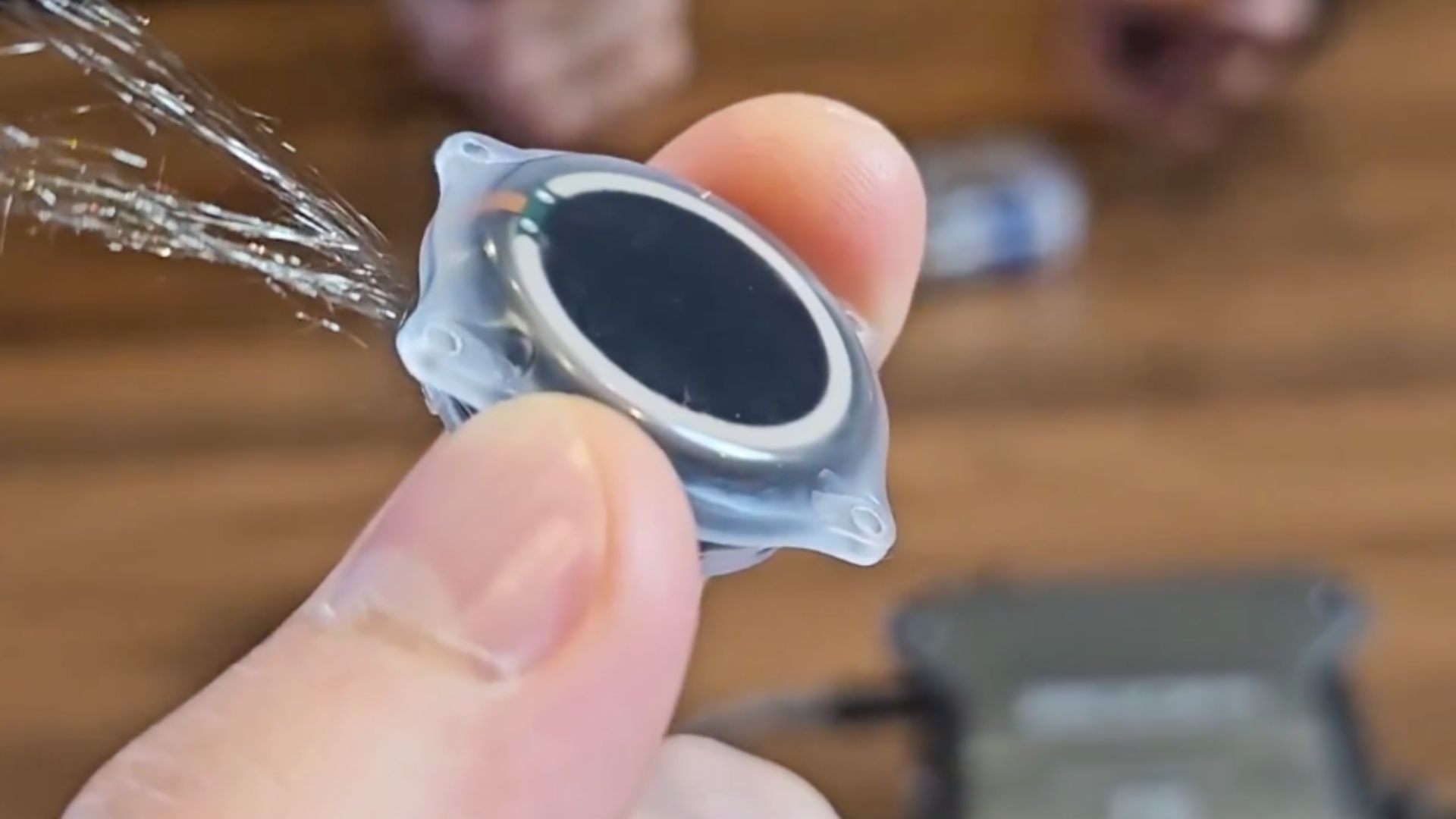
Researchers Have Successfully Grown Electrodes In Living Tissue - Slashdot
Researchers at Linkoping, Lund and Gothenburg universities in Sweden have successfully grown electrodes in living tissue using the body's molecules as triggers. The result, published in the journal Science, paves the way for the formation of fully integrated electronic circuits in living organisms. ...

Inventing the future: A neuroscience research roadmap
The past decade of transformative advances in neurotechnology portends an exciting future for neuroscience. This NeuroView charts a strategic path to accelerate and integrate research discovery and speed the development of new cures for human brain disorders.

Doctors Wired a Prosthetic Hand Directly Into a Woman’s Nerves
An array of 16 electrodes connect directly to her nerves and muscles.

Implantable 3D-printed organs could be coming sooner than you think | TechCrunch
At MBC Biolabs, an incubator for biotech startups in San Francisco's Dogpatch neighborhood, a team of scientists and interns working for the small startup

Doctors Remove Woman’s Brain Implant Against Her Will
A woman whose epilepsy was greatly improved by an experimental brain implant was devastated when she was forced to have it removed.
Sam Altman's Brain Chip Venture Is Mulling Gene Therapy Approach - Slashdot
Sam Altman's brain-chip venture is exploring the idea of genetically altering brain cells to make better implants. "The company, which has been referred to as Merge Labs, is looking at an approach involving gene therapy that would modify brain cells," reports Bloomberg. "In addition, an ultrasound d...

Open-Source Hardware For Neuroscience - Slashdot
the_newsbeagle (2532562) writes "The equipment that neuroscientists use to record brain signals is plenty expensive, with a single system costing upward of $60,000. But it turns out that it's not too complicated to build your own, for the cost of about $3000. Two MIT grad students figured out how to...

Synaptrix Labs | AI powered Brain-computer interface Solutions
Introducing Neuralis by Synaptrix Labs, the first device that allows paralyzed patients to move their wheelchairs through brain activity alone, powered by our novel AI based EEG signal processing model that makes it possible.

‘Neurograins’ Could Record Brain Activity From Thousands of Locations
Each of the tiny neurograins features electrodes to pick up electrical signals from brain tissue and circuitry to amplify the signal.

UK Patent Filed for Hair-Inclusive EEG Electrode by Synaptive | Synaptive posted on the topic | LinkedIn
Big news from us 🎉 We've just filed a United Kingdom patent application on our hair-inclusive EEG electrode, the first step in taking this from prototype to something that actually reaches the labs and people who need it. For too long, EEG hardware has quietly excluded people based on hair type. Thick, coily, tightly curled, if your hair didn't fit the mould, your signal quality suffered, or you were excluded from studies altogether. That's not a small technical footnote. That's data that shapes diagnoses, treatments, and our understanding of the brain itself, built on a foundation that didn't include everyone. We built Synaptive to fix that at the hardware level, so good signal doesn't depend on who you are or what your hair looks like. Filing the patent is a huge milestone for us, and we're only getting started. If you're a researcher, lab, or manufacturer interested in electrodes that actually work for everyone, reach out on our website (synaptiveltd.co.uk). Thank you to everyone who's backed us on this journey so far ❤️ Synaptive : ) Rishan P. Peter Bryan Michael-Merlin (Merlin) Krý