


Spider silk is ten times stronger than Kevlar, and it's also so stretchy that scientists have compared it to muscles. Now, nature's most amazing material
Markus J. Buehler on Twitter / X
After decades at MIT studying how nature builds - from spider silk to bone to nacre - I've become convinced of something: the biggest barrier to scientific progress isn't knowledge, it's connection. The insights we need already exist, scattered across millions of papers and… pic.twitter.com/EHUomaFyPj— Markus J. Buehler (@ProfBuehlerMIT) March 10, 2026

MIT scientists study spider web structure by translating it into music
We may one day be able to communicate with spiders in "language" of web vibrations.
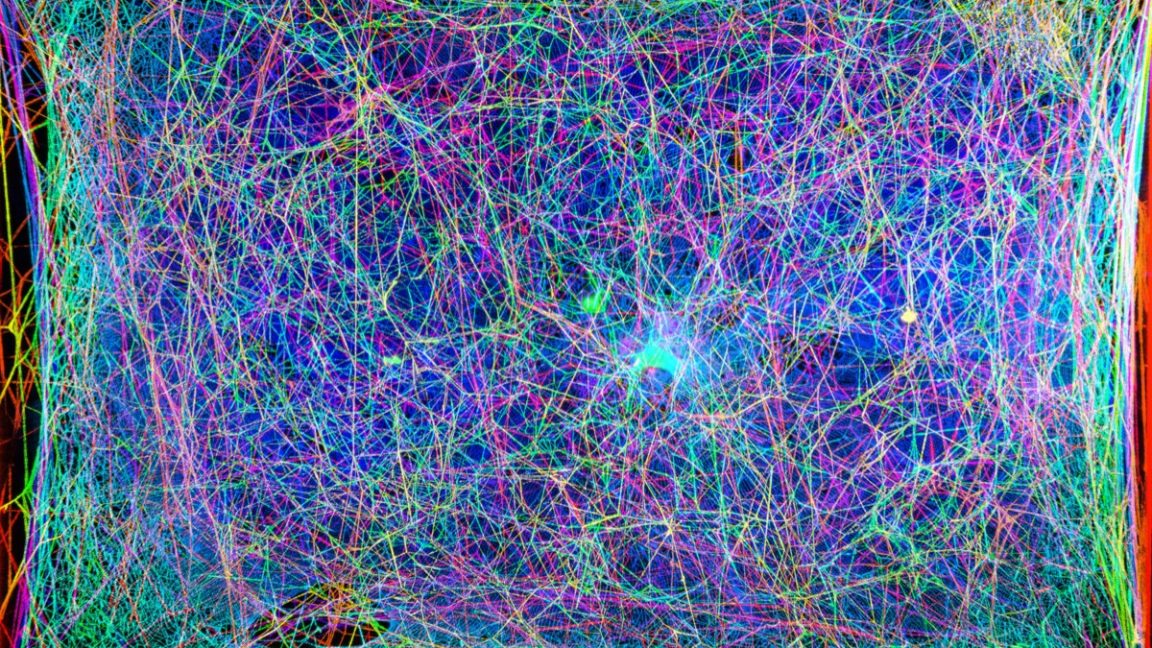
Muscles May Preserve a Shortcut To Restore Lost Strength - Slashdot
New research reviewed in the journal Frontiers in Physiology suggests that muscle nuclei -- the factories that power new muscle growth -- could give older muscles an edge in regaining fitness later on. "Muscles need to be versatile to meet animals' needs to move," reports NPR. "Muscle cells can be s...

Arthropod exoskeleton
Arthropods are covered with a tough, resilient integument, cuticle or exoskeleton of chitin. Generally the exoskeleton will have thickened areas in which the chitin is reinforced or stiffened by materials such as minerals or hardened proteins. This happens in parts of the body where there is a need for rigidity or elasticity. Typically the mineral crystals, mainly calcium carbonate, are deposited among the chitin and protein molecules in a process called biomineralization. The crystals and fibres interpenetrate and reinforce each other, the minerals supplying the hardness and resistance to compression, while the chitin supplies the tensile strength. Biomineralization occurs mainly in crustaceans. In insects and arachnids, the main reinforcing materials are various proteins hardened by linking the fibres in processes called sclerotisation and the hardened proteins are called sclerotin. The dorsal tergum, ventral sternum, and the lateral pleura form the hardened plates or sclerites of a typical body segment.
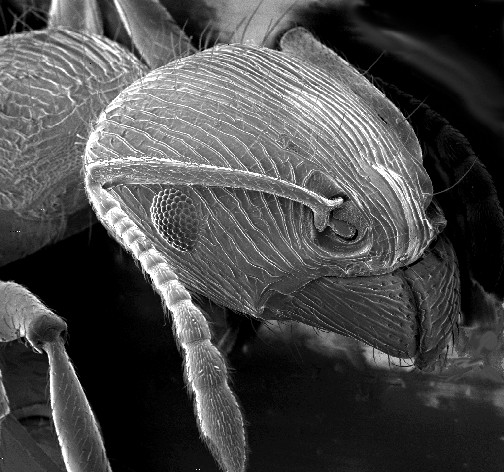
A Mind Made Out of Silk
Spiders appear to offload cognitive tasks to their webs, making them one of a number of species with a mind that isn’t fully confined within the head.

A Mind Made Out of Silk
Spiders appear to offload cognitive tasks to their webs, making them one of a number of species with a mind that isn’t fully confined within the head.
About Colibri
Learn more about what Colibri is, why we built it, and why you should use it.

AI leaders call for tougher protections against AI-aided bioweapons
AI industry rivals rarely agree, but they’re all concerned their technology could be used to develop biological weapons.

These spiders listen for prey before hurling webs like slingshots
Ballistic webs can reach speeds of nearly 1 m/s to catch mosquitoes within 38 milliseconds.
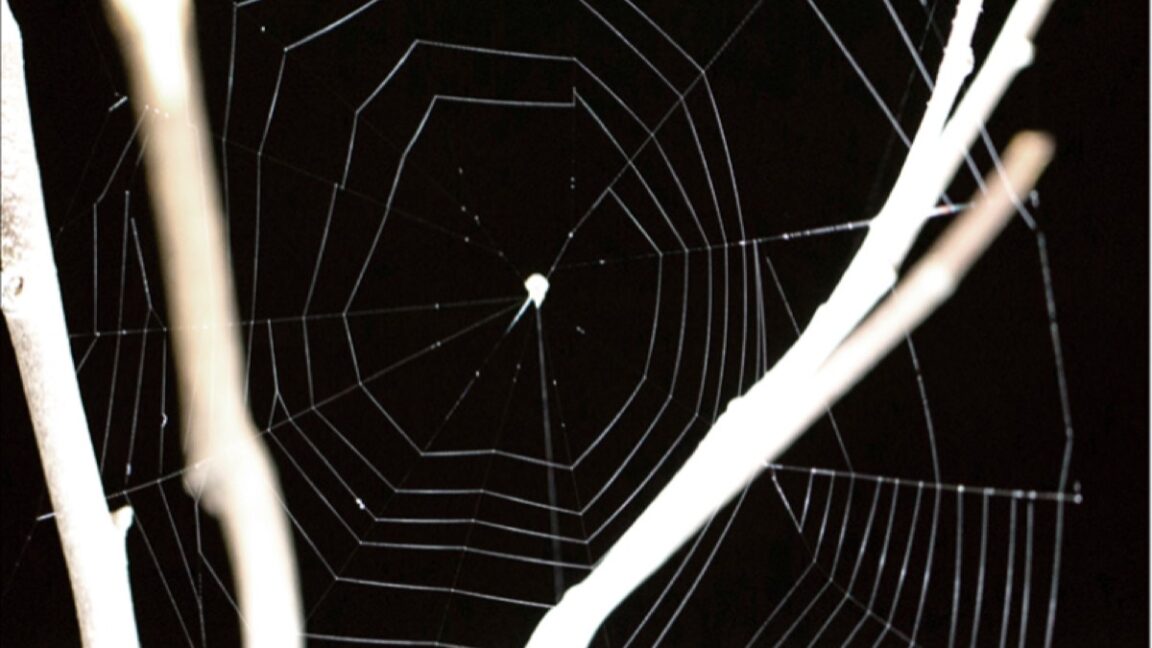
Scientists Have Built Robot Muscles That Can Lift 1,000 Times Their Own Weight - Slashdot
An anonymous reader quotes a report from Quartz: Researchers at Harvard's Wyss Institute and MIT's Computer Science and Artificial Intelligence Laboratory (CSAIL) announced today (Nov. 27) that they've created robotic "muscles" that can lift up to 1,000 times their own weight. The simple objects are...


b.next: rebuilding biology for engineering
For the First Time, a Cell Built From Scratch Grows and Divides | Quanta Magazine
Scientists built a synthetic cell that combines more lifelike properties than ever before — proof of concept that it’s possible to bring nonliving materials to life, or something close to it, in the lab.
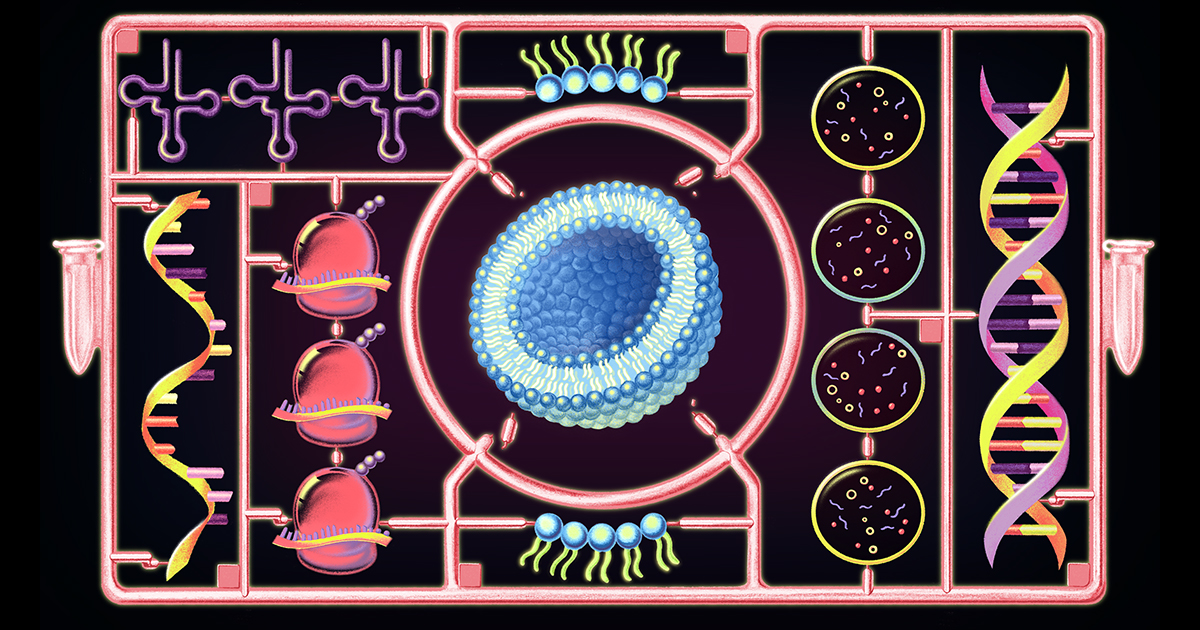
For the First Time, a Cell Built From Scratch Grows and Divides | Quanta Magazine
Scientists built a synthetic cell that combines more lifelike properties than ever before — proof of concept that it’s possible to bring nonliving materials to life, or something close to it, in the lab.
Graphene ‘miracle material’ could be toxic to humans
Two-dimensional graphene may be poised to revolutionize much of materials science, but a recent study has shown that this one-atom-thick material could

