


People who are agreeable are also more likely to make destructive choices, if they think doing so will help them conform to social expectations. That's

Kind Engineering: How To Engineer Kindness
How do you avoid becoming a Brilliant Jerk? Read this article to learn practical tips on communication, honesty and psychological safety.
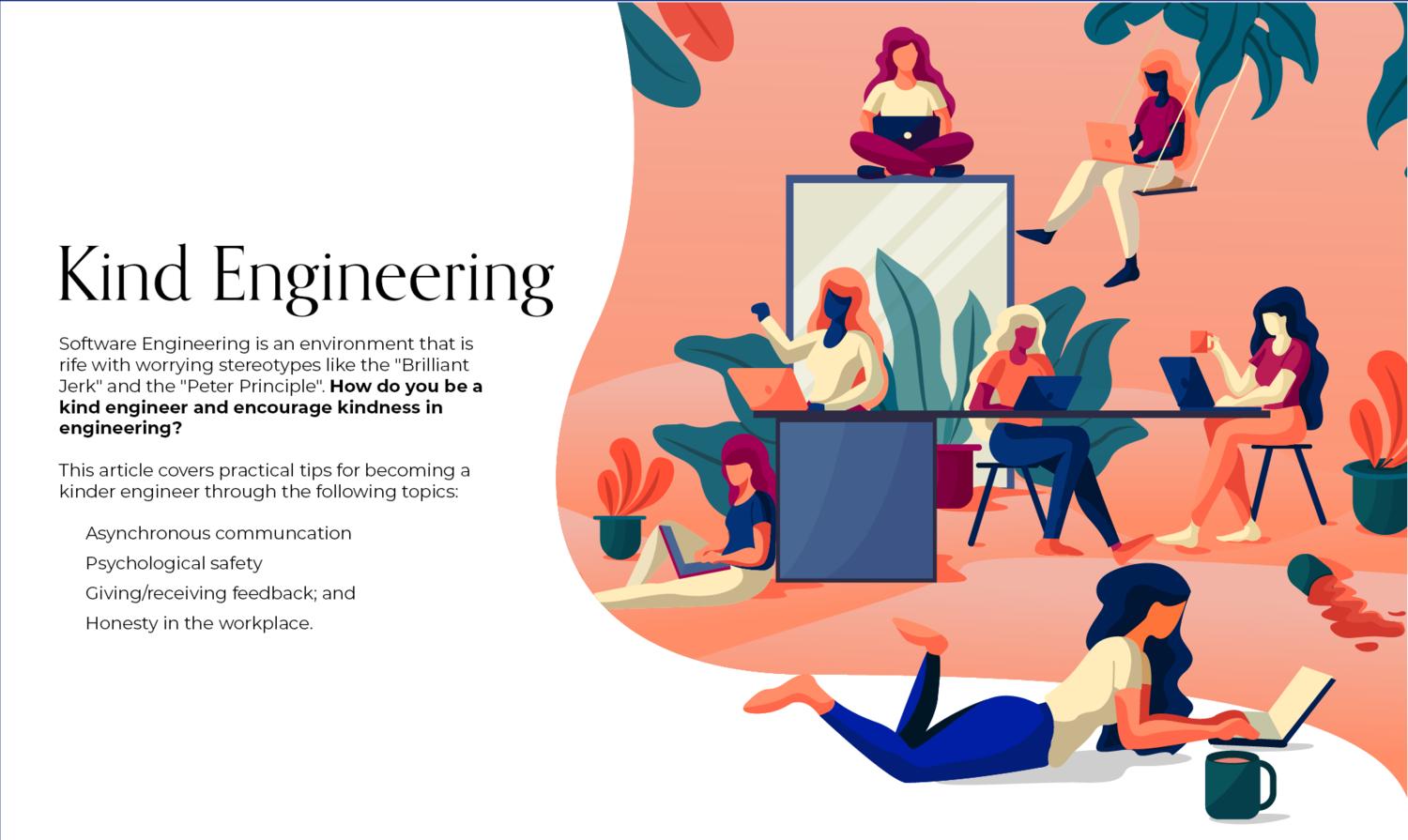
Unselfish People Are More Likely to Wind Up With Depression - Slashdot
People with depression are more likely to feel bad in response to perceived inequality, according to a study published this week in Nature Human Behaviour. From a report: Simply, in experiments where participants were tasked with playing a game with a strong element of unfairness, those participants...

Against Empathy
Most people see the benefits of empathy as too obvious to require justification.
The empathy paradox
There’s an image of empathy we all know that is beautiful: the fullness of completely understanding someone else, the symbolic walk in shoes that are not one’s own. The knowledge that someone else can share a pain so acute that would otherwise seem unbearably solitary. It’s an image inherent to empathy’s definition, an image many believe in wholeheartedly. Several studies conducted by Stanford researchers alone suggest people are motivated to feel empathy, that empathy is highly associated with social desirability, that it is as beneficial as it is admired.
Learning to be kind to yourself has remarkable benefits | Aeon Essays
Learning to be kind to yourself when you (inevitably) make mistakes could have a remarkable effect on your happiness
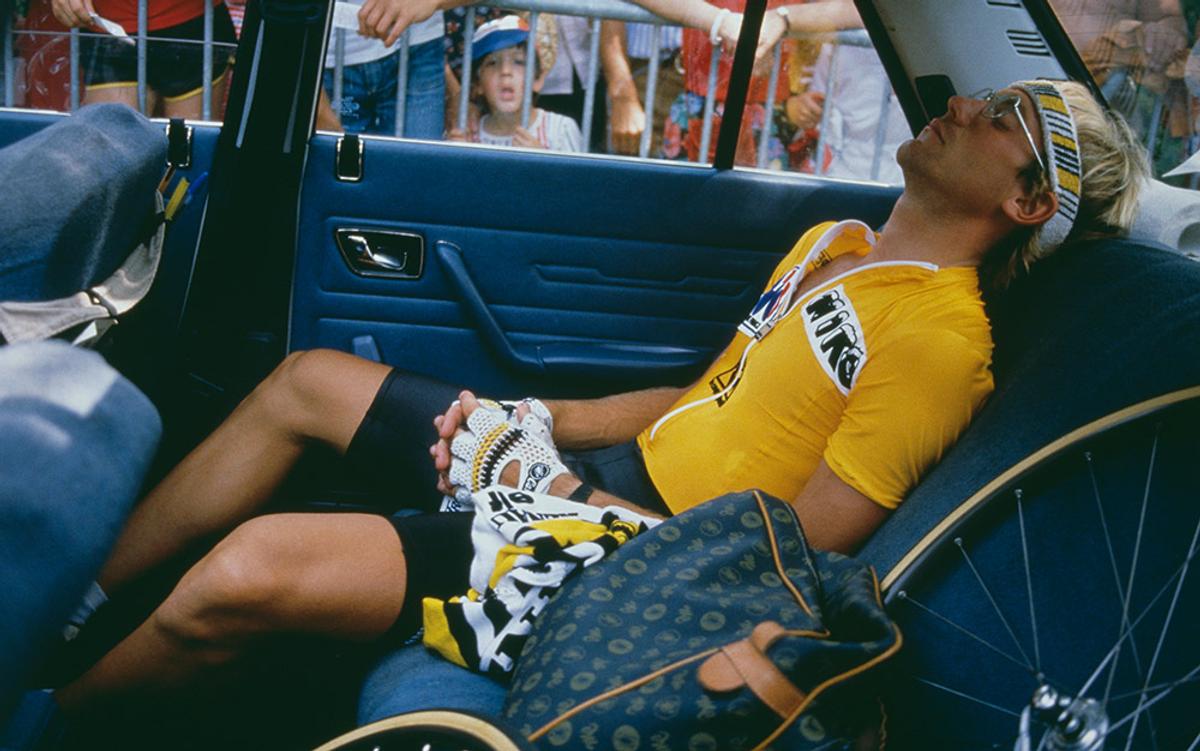
Opinion | To Make the World Better, Think Small (Published 2016)
It is easy to become numb to suffering. Feeling empathy for individual victims can overcome the numbness.

Undersociality: miscalibrated social cognition can inhibit social connection
A person’s well-being depends heavily on forming and maintaining positive relationships, but people can be reluctant to connect in ways that would create or strengthen relationships. Emerging research suggests that miscalibrated social cognition may create psychological barriers to connecting with others more often. Specifically, people may underestimate how positively others will respond to their own sociality across a variety of social actions, including engaging in conversation, expressing appreciation, and performing acts of kindness.

Study identifies a robust tendency to underestimate how much others appreciate being reached out to
We tend to systematically underestimate how much people appreciate being reached out to, according to new research published in the Journal of Personality and Social Psychology. This is particularly true in situations where people are not expecting to be contacted.

Mindfulness meditation reduces prosocial reparative behaviors by buffering people against feelings of guilt
A series of studies have uncovered a causal relationship between mindfulness meditation and decreased feelings of guilt. The findings have been published in the Journal of Personality and Social Psychology.

Don't soften feedback.
When I talk about balancing being directive and empowering as a leader, the distinction between being kind and being nice often comes up.
Neuroscience Reveals How Gratitude Literally Rewires Your Brain to be Happier
Find out how practicing gratitude can improve your health and why it's important to develop this habit.

Scientists Say Smart People Are Better Off With Fewer Friends - Slashdot
HughPickens.com writes: Christopher Ingraham writes in the Washington Post that a new study finds that when smart people spend more time with their friends, it makes them less happy. "The findings in here suggest (and it is no surprise) that those with more intelligence and the capacity to use it .....
It’s Not Enough to Be Right. You Also Have to Be Kind.
Takedowns and clever quips are easy, but empathy and persuasion are better
Meet Facebook’s Mr. Nice (Published 2014)
Arturo Bejar is trying to create empathy among teenage users to curb cyberbullying and harassment.
