


The proteins in your body are positively abuzz with energy. Now, physicists claim they have the measurements to prove it. The millions of proteins in
AlphaFold2 @ CASP14: “It feels like one’s child has left home.”
The past week was a momentous occasion for protein structure prediction, structural biology at large, and in due time, may prove to be so for the whole of life sciences. CASP14, the conference for …

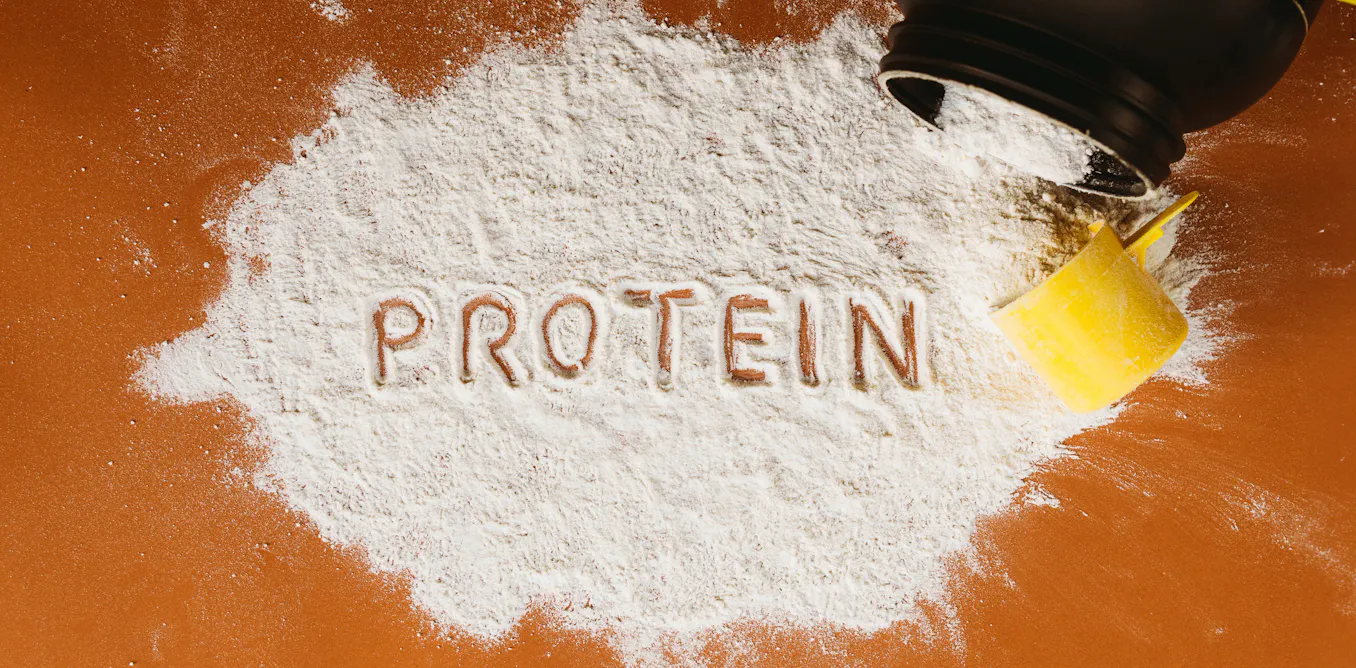
More protein in your breakfast or snacks won’t give you more muscle without more work – a biologist separates the science from the marketing
Protein powders and protein-fortified versions of all manner of foods line grocery store shelves. But just because something has added protein doesn’t necessarily make it better.
Are biological systems poised at criticality?
Many of life's most fascinating phenomena emerge from interactions among many elements--many amino acids determine the structure of a single protein, many genes determine the fate of a cell, many neurons are involved in shaping our thoughts and memories. Physicists have long hoped that these collective behaviors could be described using the ideas and methods of statistical mechanics. In the past few years, new, larger scale experiments have made it possible to construct statistical mechanics models of biological systems directly from real data. We review the surprising successes of this "inverse" approach, using examples form families of proteins, networks of neurons, and flocks of birds. Remarkably, in all these cases the models that emerge from the data are poised at a very special point in their parameter space--a critical point. This suggests there may be some deeper theoretical principle behind the behavior of these diverse systems.

How Food Powers Your Body
Metabolism, which unleashes the energy in what you eat, may be nature’s most electrifying invention.

The ‘Omics’ of Exercise (Published 2020)
When we exercise, even for a few minutes, hundreds of molecules related to our metabolic health rise and fall in our bloodstreams.

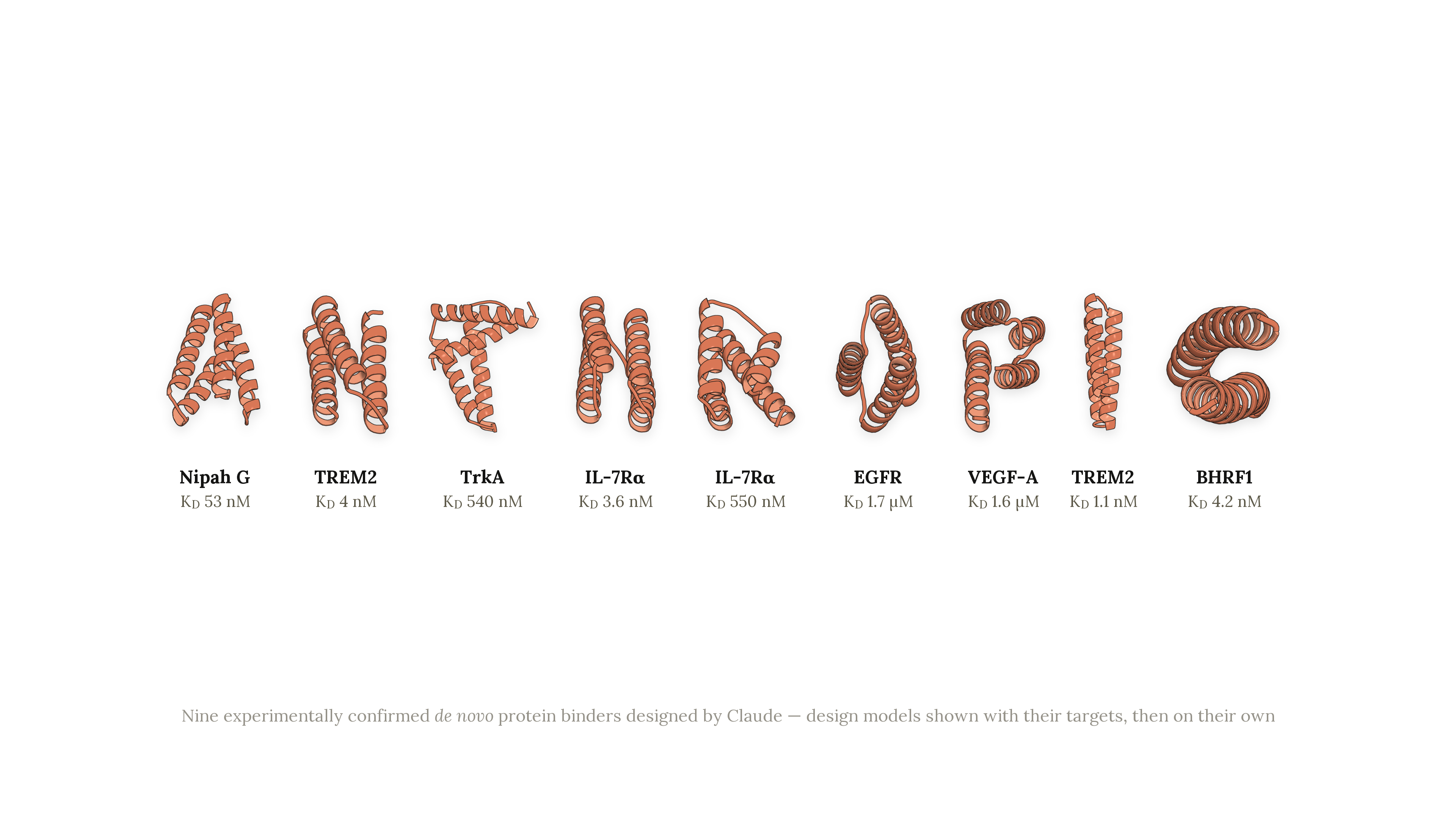
Claude accelerates protein design and analytical chemistry
Two results show how Claude helps life sciences researchers speed up their work: designing protein binders from scratch and analyzing NMR and LC-MS data to speed chemical analysis.
Aging Can Spread Through Your Body Via a Single Protein, Study Finds - Slashdot
alternative_right shares a report from Phys.org: Take note of the name: ReHMGB1. A new study pinpoints this protein as being able to spread the wear and tear that comes with time as it quietly travels through the bloodstream. This adds significantly to our understanding of aging. The researchers wer...

Four Red Flags and One Truth Amid the Peptide Hype - KFF Health News
Experimental peptides are all the rage on longevity and “optimization” podcasts, but a lot of the chatter is misleading.

Science Banana on Twitter / X
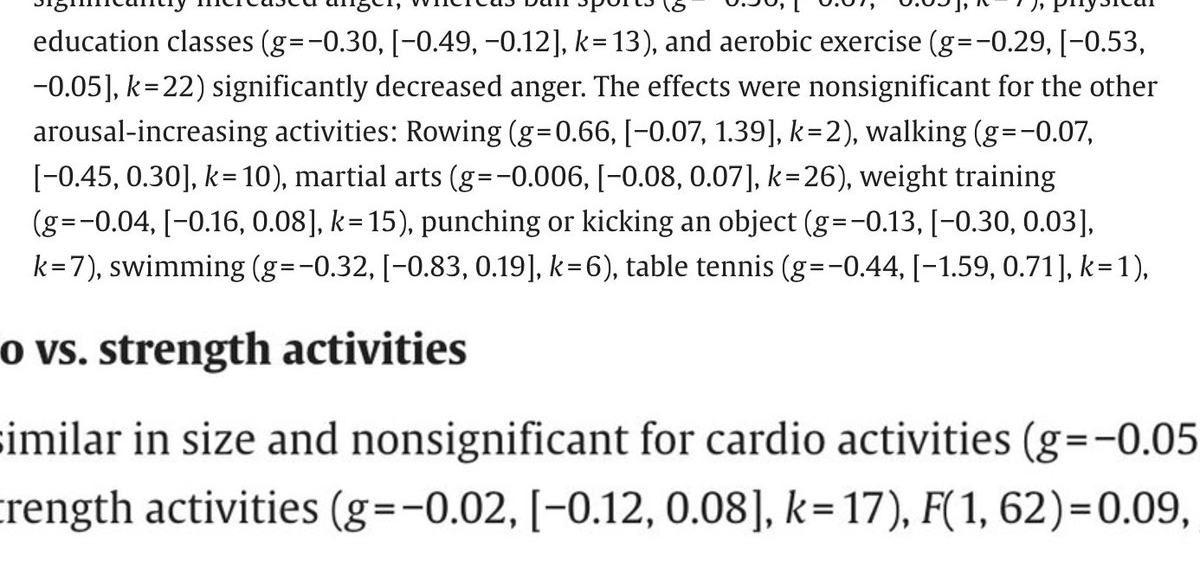
I don't even know where to start with this crap (partly because it's hard to tell which of the studies the 17 "jogging" effects came from, partly because it seems obvious from the paper that the more studies the more the "effect" disappears) https://t.co/Gniv5Ht8g3 pic.twitter.com/qbToQ2yOGM— Science Banana (@literalbanana) March 12, 2024
Design in The Age of Biology: Shifting From a Mechanical-Object Ethos to an Organic-Systems Ethos
In the early twentieth century, our understanding of physics changed rapidly; now, our understanding of biology is undergoing a similar rapid change.
Claude discovers a novel enzyme system
In early results from our new life sciences research lab, Claude agents found an enzyme system whose function is still unknown.
How the Physics of Resonance Shapes Reality | Quanta Magazine
The same phenomenon by which an opera singer can shatter a wineglass also underlies the very existence of subatomic particles.

Holy Shit! Scientists Have Confirmed the Existence of Gravitational Waves
Since Albert Einstein first predicted their existence a century ago, physicists have been on the hunt for gravitational waves, ripples in the fabric of

Cell membranes behave like cornstarch and water
(PhysOrg.com) -- Surprising discovery by physicists at the University of Oregon overturns a long-held belief, and raises fresh new scientific questions about the biology that regulates lipid and protein ...

Journal of Applied Physiology
<p>The <em>Journal of Applied Physiology</em> publishes original papers that deal with diverse areas of research in applied physiology, especially those papers emphasizing adaptive and integrative mechanisms. Adaptive physiology includes 1) inherent adaptations such as those related to development, aging, and pathophysiological conditions and 2) adaptations to the external environment such as those occurring with exercise, microgravity, hypoxia, hypo- and hyperbaria, and hypo- and hyperthermic conditions. Integrative physiology includes 1) horizontal integration across organ systems and 2) vertical integration from molecule to cell to organ. In all areas of applied physiology, the use of cutting-edge techniques including molecular and cellular biology is strongly encouraged.</p><p>The wide scientific span of the Journal rests on physiology as its keystone. However, the boundaries of physiology have enlarged as demarcations between concepts and techniques in the physiological, pharmacological, and biochemical sciences become increasingly blurred. Moreover, theoretical articles on research at any level of biological organization ranging from molecules to humans fall within the broad scope of the Journal. Papers dealing with topics in other basic sciences that impinge on physiology are also welcome.</p>
