

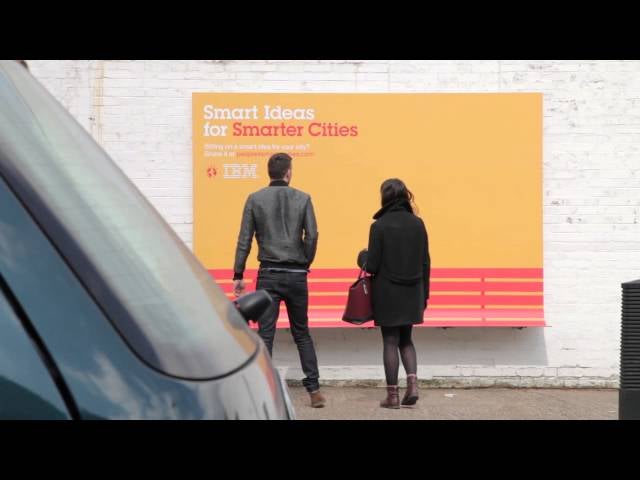
The "smart city" is a futurist's dream town. It's carbon neutral because computers regulate its energy use perfectly. It has no traffic jams because
Rethinking the Smart City: Democratizing Urban Technology - RLS-NYC
Following the celebration of the “creative city” (as described by Richard Florida), the “smart city” has become the new flavor of the month—and a brand. It makes clever use of resources, and it attracts money, corporate power, and private industries. Offering us cheap, effective solutions to social and political problems, the smart city is functional, […]

As tech companies race to build data centers, more communities are pushing back
Concerns about electricity bills and local impacts are fueling bipartisan opposition to the massive data centers that power the digital economy, from cloud services to AI chatbots. In Wisconsin, as in other states, the tussles are personal – and fraught.
AI’s Carbon Footprint — Here’s How Much Carbon Everyday Internet Tasks Emit
Internet activity produces carbon emissions and AI is one of the worst offenders. Here’s how much everyday internet activities costs the environment.

When Adding Bike Lanes Actually Reduces Traffic Delays
In New York, smart street design helped the city have its safety and its speed, too.

Reclaiming the Smart City: Personal Data, Trust and the New Commons
Why and how city governments are taking a more responsible approach to the collection and use of personal data.

A City Is Not a Computer: Other Urban Intelligences
<strong>A bold reassessment of "smart cities" that reveals what is lost when we conceive of our urban spaces as computers</strong> Computational models of urbanism—smart cities that use data-driven planning and algorithmic administration—promise to deliver new urban efficiencies and conveniences. Yet these models limit our understanding of what we can know about a city. <i>A City Is Not a Computer</i> reveals how cities encompass myriad forms of local and indigenous intelligences and knowledge institutions, arguing that these resources are a vital supplement and corrective to increasingly prevalent algorithmic models. Shannon Mattern begins by examining the ethical and ontological implications of urban technologies and computational models, discussing how they shape and in many cases profoundly limit our engagement with cities. She looks at the methods and underlying assumptions of data-driven urbanism, and demonstrates how the "city-as-computer" metaphor, which undergirds much of today's urban policy and design, reduces place-based knowledge to information processing. Mattern then imagines how we might sustain institutions and infrastructures that constitute more diverse, open, inclusive urban forms. She shows how the public library functions as a steward of urban intelligence, and describes the scales of upkeep needed to sustain a city's many moving parts, from spinning hard drives to bridge repairs. Incorporating insights from urban studies, data science, and media and information studies, <i>A City Is Not a Computer</i> offers a visionary new approach to urban planning and design.
Welcome to the neighbourhood. Have you read the terms of service? | CBC News
Toronto is becoming a test bed for new smart-city technology, but some observers are concerned about the privacy of the data the city would be collecting.

A City Is Not a Computer
This seems an obvious truth, but we need to say it loud and clear. Urban intelligence is more than information processing.

Thinking about other industries like we think about data centers shows how impoverished the debate is
Clumsy, arbitrary environmental ideas ignore the incredible complexity of the systems modern society depends on

US views of how data centers affect the environment, energy costs, jobs and more
A broad majority of Americans have heard about data centers – the often-sprawling computing facilities that are popping up nationwide. But the public has mixed opinions about data centers’ impact…

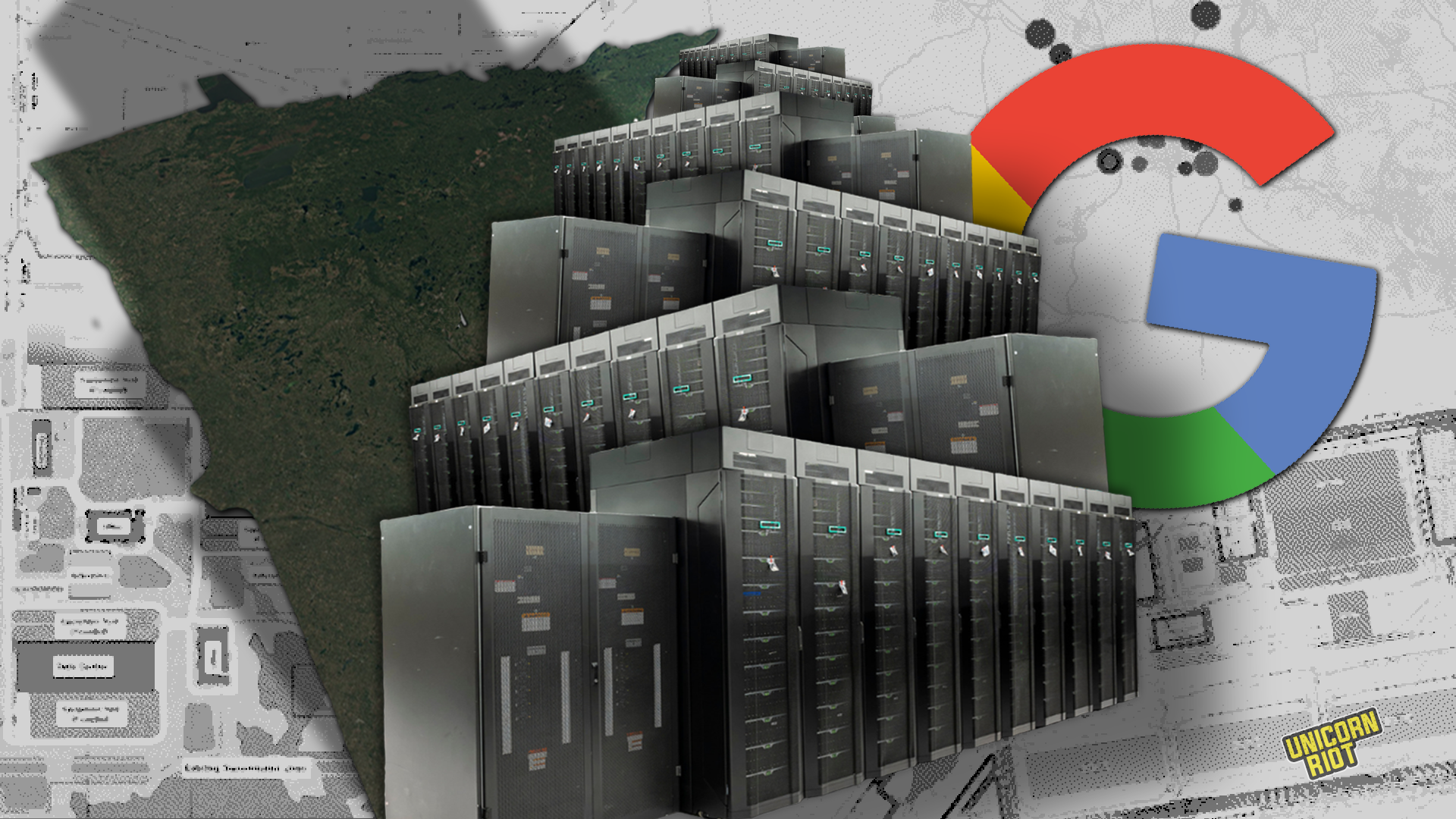
The Fight Against Google’s Minnesota Data Centers - UNICORN RIOT
Minnesota residents are organizing against proposed hyperscale data centers, especially Google-linked projects in Pine Island and Hermantown, citing secrecy through NDAs, inadequate environmental review, and issues with water use, electricity, noise pollution and more.
Big-city problems, small-farm solutions: 'Carbon Zero,' chapter 6
Reorganizing our food system provides an opportunity to ratchet down our cities' carbon emissions while also reconnecting them to the natural world.

What Happens When Data Centers Come to Town?
The rapid growth of data centers, with their enormous energy and water demands, necessitates targeted policy interventions to mitigate environmental impacts and protect local communities. To address these issues, states with existing data center tax breaks should adopt sustainable growth policies for data centers, mandating energy audits, strict performance standards, and renewable energy integration, while also requiring transparency in energy usage reporting. “Renewable energy additionality” clauses should ensure data centers contribute to new renewable capacity rather than relying on existing resources.

Trump's 'Freedom Cities'? A Tech Blueprint to Dismantle the USA
AI is becoming a disaster for the climate
Two new studies reveal the exploding carbon emissions of the AI industry, while Silicon Valley pushes to kill communities’ means of protesting data centers and the impacts on human health mount.

The City as Platform | David Bollier
In the age of ubiquitous Internet connections, smartphones and data, the future vitality of cities is increasingly based on their ability to use digital networks in intelligent, strategic ways. While we are accustomed to thinking of cities as geophysical places governed by mayors, conventional political structures and bureaucracies, this template of city governance is under great pressure to evolve. Urban dwellers now live their lives in all sorts of hyper-connected virtual spaces, pulsating with real-time information, intelligent devices, remote-access databases and participatory crowdsourcing. Expertise is distributed, not centralized. Governance is not just a matter of winning elections and assigning tasks to bureaucracies; it is about the skillful collection and curation of information as a way to create new affordances for commerce and social life.