


Scientists and health experts at the World Health Organization and Centers for Disease Control are constantly on guard against diseases that could sweep
Why Is Everyone Getting Sick? Behind the Global Rise in RSV, Flu, Measles
It's not your imagination: At least 13 communicable diseases are surging past pre-pandemic levels

The type and frequency of animals coming down with COVID is trying to tell us something about the future of the pandemic. Scientists are on the case | Fortune
The health of people, animals, plants, and the environment are inexorably intertwined, experts say

How we rank the world's most pressing problems (and why)
We started with global health, then pandemics. Now we focus on AI risk. How our views changed and what problems we'd recommend you work on today.
The Story behind the Science: Preprints of pandemic potential—how bioRxiv and medRxiv brought preprints to the life sciences
ABSTRACT The bioRxiv and medRxiv preprint servers brought preprinting to the life sciences and played a critical role in disseminating COVID research during the pandemic. Here, I reflect on the birth of bioRxiv and medRxiv and the crucial role so many members of the community played, our experience during the pandemic, and the launch of the new non-profit organization set up to oversee the servers. The pandemic was a stress test for bioRxiv and medRxiv that demonstrated their value and robustness. Under the umbrella of openRxiv, they are now poised to become long-term infrastructure underpinning a new publishing ecosystem.

Global Risk Report highlights climate crisis and COVID-19 | World Economic Forum
While the world still reels from the coronavirus pandemic, the greatest threats we collectively face come from multiple sources.

Briefing: Data Security + Infectious Disease Control — Unbreaking
Failed attempts to scuttle the midterms, potential corporate capture at CISA, and more preventable deaths from infectious disease.

Syndemic Magazine – A project of the L.R. Wilson Institute for Canadian History, McMaster University
The pandemic of 2020-23 can be analysed as an unpredictable natural event, akin to a hurricane or an earthquake, an accident of global dimensions for which humanity was unprepared. Yet, as Dr. Richard Horton of The Lancet suggests, a more appropriate term might be “syndemic,” combining three elements: “the virus, the chronic conditions that make people more susceptible to it, and a situation of deepening poverty and inequality.” In this broader sense, Covid-19 was not just a natural occurrence, but assumed its world-historic proportions because it took place within a global socio-economic order whose very structure determined both its genesis and its impact.
A break from Covid waves and a breakthrough for preventing Long Covid
Facts, data and analytics about biomedical matters
From Long COVID Odds to Lost IQ Points: Ongoing Threats You Don’t Know About
Stuck in a fog of misleading narratives, most of us don’t see the true extent of COVID's persisting—and intensifying—threats. INET’s Lynn Parramore talks to Dr. Phillip Alvelda about the dangers we’re missing and the failures of public health agencies to inform and protect us. *This is Part 1 of a two-part interview.
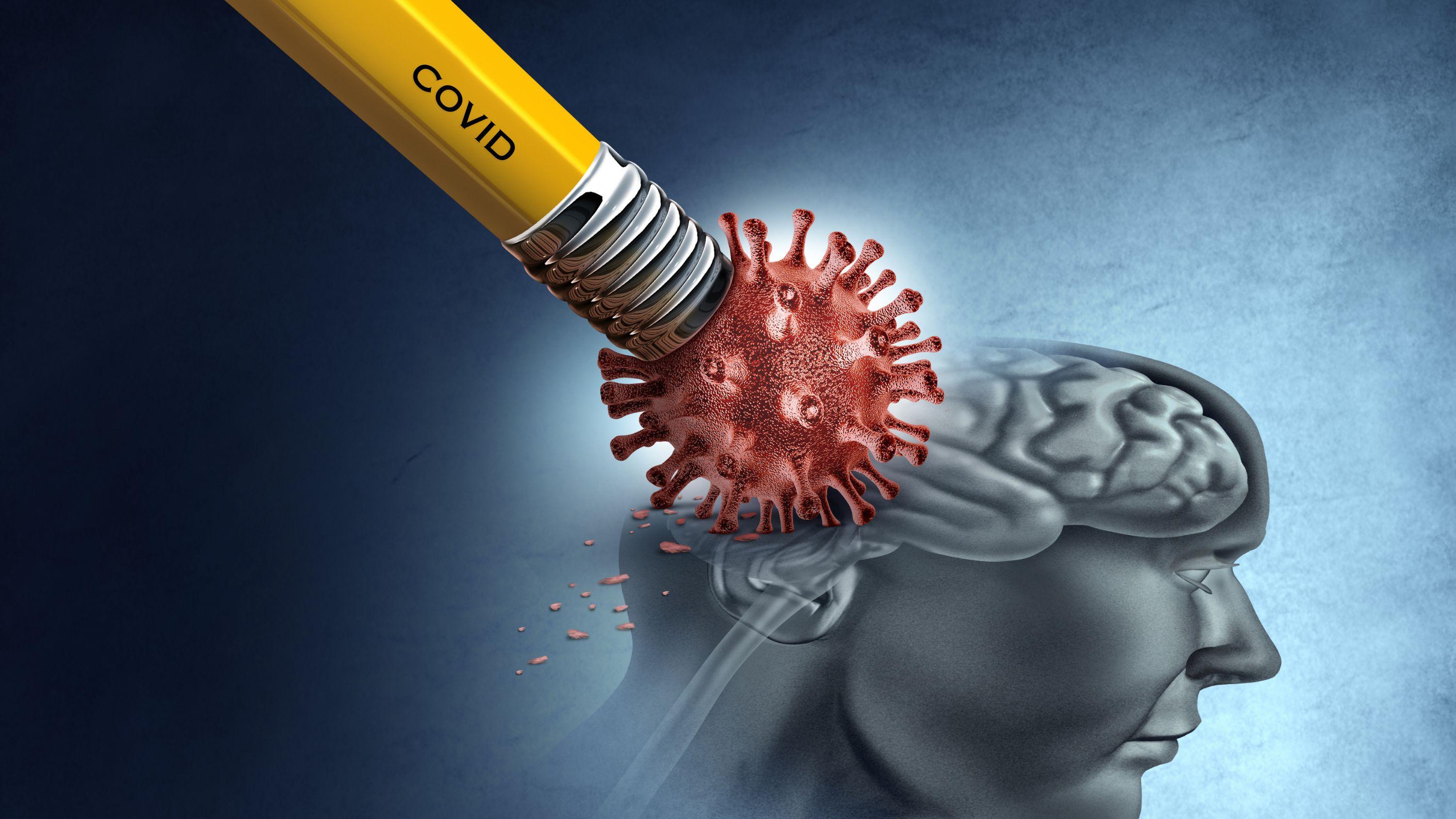
Opinion | When It Comes to Covid-19, Most of Us Have Risk Exactly Backward (Published 2020)
We aren’t very good at discussing trade-offs, but we need to make some during this pandemic.

I Lived Through SARS and Reported on Ebola. These Are the Questions We Should Be Asking About Coronavirus. — ProPublica
For concerned civilians and journalists covering the coronavirus, the figures and projections can be overwhelming, frightening or confusing. Here’s what reporter Caroline Chen is focusing on to keep things as accurate and clear as possible.

Fauci speaks out about the pandemic, global health—and his own record
Archive: New COVID-19 ‘Citizen Science’ Initiative Lets Any Adult with a Smartphone Help to Fight Coronavirus
The online study would try to help researchers gain insight into how the virus is spreading and identify ways to predict and reduce the number of new infections.

Here’s relevant paper on #metascience lit from 2018, 7 years and a pandemic ago. This hasn’t been hypothetical or hard to see. During the pandemic science reform was weaponized by Ioannidis, Prasad, Bhattacharya, etc and lives were lost. pnas.org/doi/10.1073/pnas.1708276114

Crisis or self-correction: Rethinking media narratives about the well-being of science | PNAS
www.pnas.org