


Biofluorescence is what happens when an animal absorbs light, then throws it back out in a different color. It's one of the weirdest and most beautiful
PFAS and Precursor Bioaccumulation in Freshwater Recreational Fish: Implications for Fish Advisories
Abstract. Per- and polyfluoroalkyl substances (PFAS) are a diverse class of fluorinated anthropogenic chemicals that include perfluoroalkyl acids (PFAA), w

Characterizing the Areal Extent of PFAS Contamination in Fish Species Downgradient of AFFF Source Zones
Abstract. Most monitoring programs next to large per- and polyfluoroalkyl substances (PFAS) sources focus on drinking water contamination near source zones

New understanding of how we see colors
(Medical Xpress)—Scientists have until now not fully understood how animals see in color, since visual pigments in eyes contain exactly the same chromophore (light absorbing segment of the molecule) and ...
Don’t Trust the White Fish. It Could Be Anything.
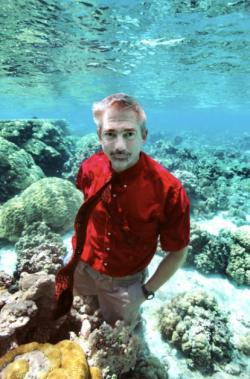
Steve Palumbi has a few rules when it comes to sushi. If something is labeled tuna, then it probably is, but stay away from the salmon, because it...
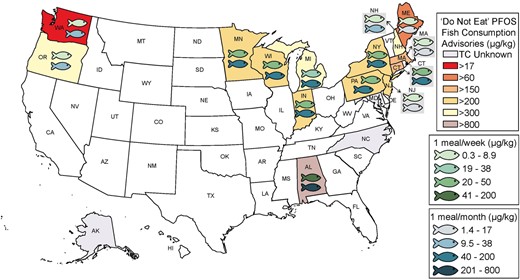
Considerations and challenges in support of science and communication of fish consumption advisories for per‐ and polyfluoroalkyl substances
Abstract. Federal, state, tribal, or local entities in the United States issue fish consumption advisories (FCAs) as guidance for safer consumption of loca
Popular seafood species in sharp decline around the world - UBC News
Fish market favourites such as orange roughy, common octopus and pink conch are among the species of fish and invertebrates in rapid decline around the world, according to new research.

Whale Baleen To Monitor Per- and Polyfluoroalkyl Substances (PFAS) in Marine Environments
Abstract. Per- and polyfluoroalkyl substances (PFAS) comprise >10 000 synthetic compounds that are globally distributed and highly persistent but remain

Characterizing the Areal Extent of PFAS Contamination in Fish Species Downgradient of AFFF Source Zones
Dataset of targeted PFAS and extractable organofluorine concentrations in water, sediment, and biological tissue samples that support data included in two papers: "Characterizing the Areal Extent of PFAS Contamination in Fish Species Downgradient of AFFF Source Zones" and "Bioaccumulation of Perfluoroalkyl Sulfonamides (FASA)"
Communicating Pollutants That Threaten Tribal Identities: PFAS Contamination in Local Fish and Shellfish
Indigenous communities that rely on the consumption of local fish and shellfish may have elevated exposures to environmental contaminants, such as PFAS (perfluoroalkyl and polyfluoroalkyl substances). Conventional public health communication that focuses on reducing consumption can conflict with cultural identities tied to harvesting local fish. Through a series of focus groups and interviews ( n = 25) and a community-wide survey ( n = 155) among members of the Mashpee Wampanoag Tribe (Cape Cod, Massachusetts, USA), we document the connection between local fish/shellfish consumption and Tribal cultural identity, how PFAS contamination may threaten this identity, and explore how to more effectively communicate health risks to Tribal communities.

Legacy and Novel Per- and Polyfluoroalkyl Substances in Juvenile Seabirds from the U.S. Atlantic Coast
Abstract. Per- and polyfluoroalkyl substances (PFAS) are anthropogenic, globally distributed chemicals. Legacy PFAS, including perfluorooctane sulfonate (P
Octopus Eyes Are Crazier Than We Imagined
As if we needed more evidence that cephalopods are on the verge of a global uprising that will end in humanity’s destruction, our favorite tentacled
Phospholipid Levels Predict the Tissue Distribution of Poly- and Perfluoroalkyl Substances in a Marine Mammal
Abstract. Exposure to poly- and perfluoroalkyl substances (PFASs) has been linked to many negative health impacts in humans and wildlife. Unlike neutral hy

"Magnetic Cells" Isolated For First Time - Slashdot
sciencehabit writes "For the first time, researchers have isolated magnetic cells in an animal. The cells--found in this case in rainbow trout--may help the fish respond to Earth's magnetic fields, allowing it to find its way home after spending 3 years at sea and traveling up to 300 kilometers away...

Bluesky Siphonophore Viewer
Posts now gather into a translucent siphonophore-like colony drifting through dark water. Oldest posts begin at one end of the spine and newer ones accumulate toward the other. Engagement thickens bells, membranes, and feeding clusters. Drag to orbit, mouse wheel to zoom, right-drag to pan, hover for a specimen overlay, click a segment to glide toward it, and double click the background to zoom to the whole organism.
