Getting things done
A Beginner’s Guide to Getting Things Done® | Zenkit
Getting things done is a task management system that helps you clarify what needs to be done, and when. Learn the GTD basics here.
How to Get Things Done When You Don’t Feel Like It: Five strategies for pushing through: Queue: Vol 16, No 4
If you want to be successful, then it serves you better to rise to the occasion no matter what. That means learning how to push through challenges and deliver valuable results.

How Priorities Make Things Happen
Editor: Project manager and writer Scott Berkun knows how to get things done when you've got a team of people, a to-do list, and a deadline. Today h

If you don’t finish then you’re just busy, not productive – Jack Simpson
One of the biggest realisations I’ve come to as part of my PhD, is how little people care about how I spend my time, they only care about what I am able to deliver. Yet in order to deliver, you need to finish. I was recently reading an article on this topic, and I think the advice can be best summed up as:

Chesterton’s Fence: A Lesson in Thinking
A core component of making great decisions is understanding previous decisions. If we don’t understand how we got “here,” we run the risk of making things much worse.

Harnessing Frustration: Using LLMs to Overcome Activation Energy
One of my biggest weaknesses as a software engineer is procrastination when facing a new project. When the scope is unclear, I have a tendency to wait until I feel I’ve “felt out” the problem to start doing anything. I know I’ll feel better and work much faster when I get “stuck in” but I still struggle with that first step, overcoming the “activation energy” required to engage with the details. LLMs have been a game-changer for me in this respect: I can just throw a couple of sentences at them with the shape of the problem. This leads to one of two outcomes: The LLM comes up with a good solution, usually in a slightly different way than what I was thinking. I realize “oh wow the solution is much simpler than I thought”. Straight away I start thinking about the consequences of implementing and improving what the LLM suggested. The LLM comes up with a solution that I intuitively recognize as “wrong”. My immediate reaction is frustration (“How could it get it so wrong”) which leads me to go back and forth with the model, explaining to it why its solution could not possibly work. But in the process of arguing with the model, my brain is churning away and generating variations or different approaches that could work. After a while, even if the AI is still on the wrong track, the debate will trigger a moment of inspiration where suddenly the solution will come to me. I’ll excitedly start up a new conversation and start working through it with the model. The key is the emotional reaction I have immediately to the LLM’s response, either excitement or frustration. By harnessing this immediate feedback loop, I get my brain out of its passive, procrastination mode. It’s almost like a jolt: either I’m thrilled because it’s simpler than I thought, or I’m spurred to action by the urge to correct a perceived ‘wrong’ answer. This forces me to engage with the problem in a meaningful way.
Make a change in our society with Make.org -
Finding proposals is easier when working together. Make.org helps you share ideas with forward-thinking people like you. Discover a democratic place where you can discuss the big issues you care about, submit your proposals concerning them and vote on proposals proposed.
The Shape of Things to Come, Part 2: Model Welfare for Agentic Engineers — Steve Yegge
Part 2 of The Shape of Things to Come. Model welfare as an engineering discipline: seats and sessions, laurels, handoffs instead of /exit, and how to build a city worth waking up in.
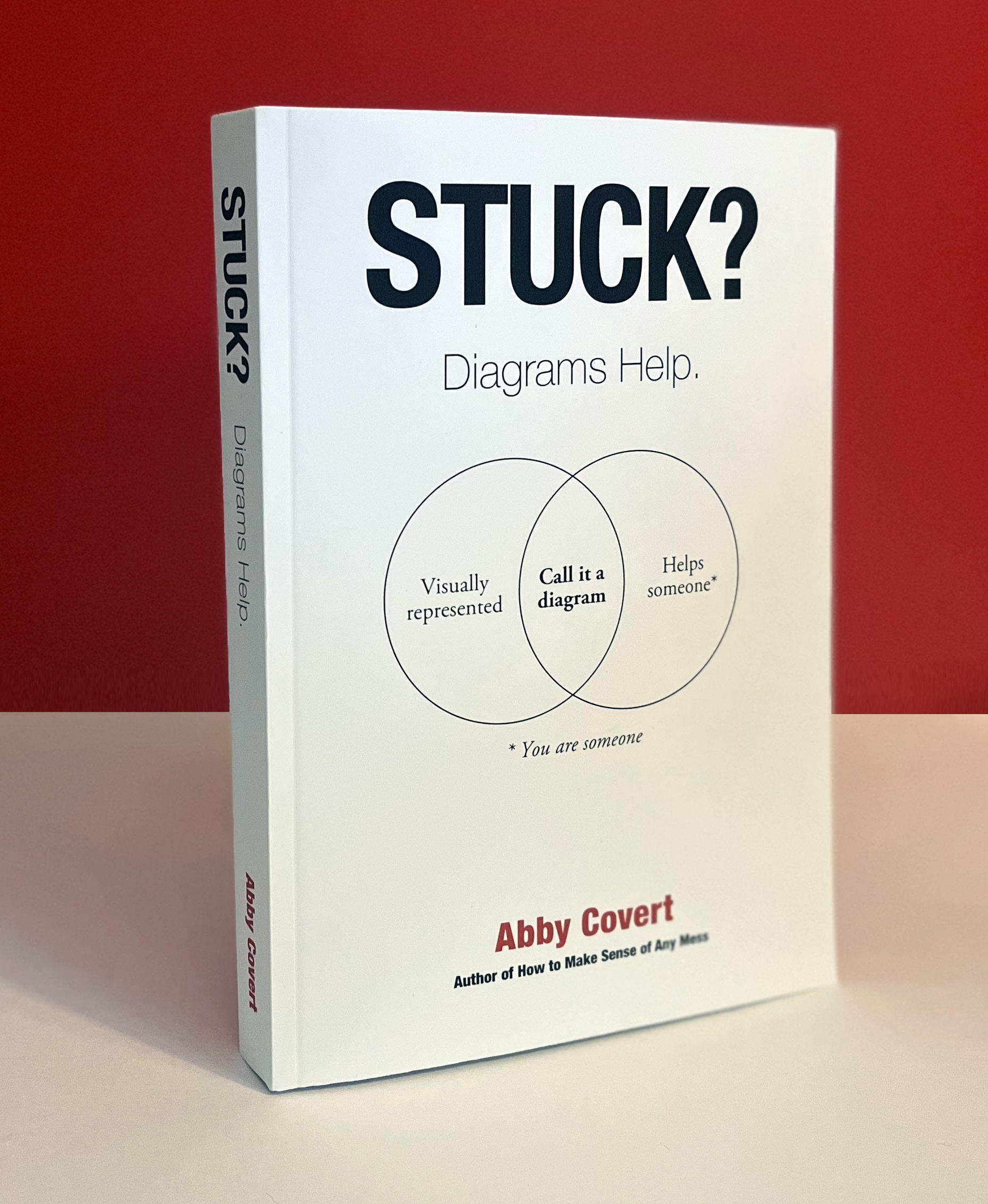
Stuck? Diagrams help. - Abby Covert, Information Architect
Stuck? Diagrams help. When was the last time you felt stuck? Maybe it was because of a decision you were struggling to make, a complex topic you were
Denizen / Change from within
Meet our community, attend our events and get our latest ideas delivered

How Small Stories Solve Big Problems with Ellie Snowden | Ep. #021
why do we assume progress should feel good?
I can count on one hand the number of times I’ve achieved something and genuinely felt lasting satisfaction.

On Making
TLDR: I gain a lot of fulfillment by making things. I don't consider things built by others at my request to be made by me, and are therefore much less fulfilling. And then I feel sad. This article starts strong and then heads off into the weeds.
in progress works
lightweight accountability community and journal for your side projects
Hey! I'm Isaac
I like building tools, breaking workflows, and putting them back together better.