

What are the criteria that make something a good “Clockwork Game”? The Clockwork Game Design model is something I have been working on for the last five years or so. It is specifically …
Aesthetic Deception
Designing Strategy: Rushdown, Economy, and Defense
Hey everyone! Today I have a good-old-fashioned formalist-ish game design article. It’s been a little while since I’ve really done one of those, unless it was attached to Push the Lane.…

The 100:10:1 method – the heart of my game design process
This is the second post of a series on practical game-design techniques. Here’s the first. In my years designing games, my methods have evolved from Games-Randomly-Emerging-from-the-Inchoate…

“The Door Problem”
Game design is one of those nebulous terms to people outside the game industry that’s about as clear as the “astrophysicist” job title is to me. It’s also my job, so I find myself explaining what game design means to a lot of people from different backgrounds, some of whom don’t know anything about games.
Context Sensitivity
Build, gather, brawl, repeat: The history of real-time strategy games
As we wait on a new Age of Empires this fall, let's revisit the RTS genre's highs and lows.
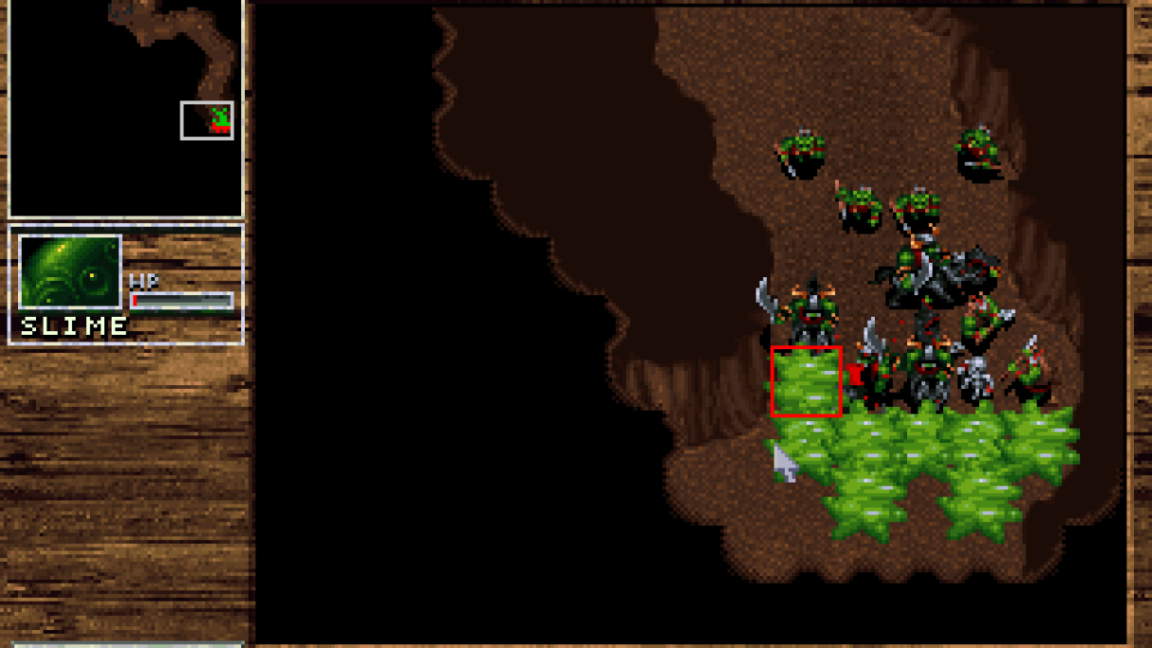
Planning - The Core Reason Why Gameplay Feels Good
In this post I dig into planning, and how it is a fundamental part of what makes a game engaging. Planning affects many aspects of what is s...

The Math of Idle Games, Part I
Originally published October 4, 2016 I’ve given a few talks in the past about the appeal and general mechanics of idle games, but what if you actually wanted to make one? Theory and patterns are nice, but there’s some complicated math running behind it. And how on earth
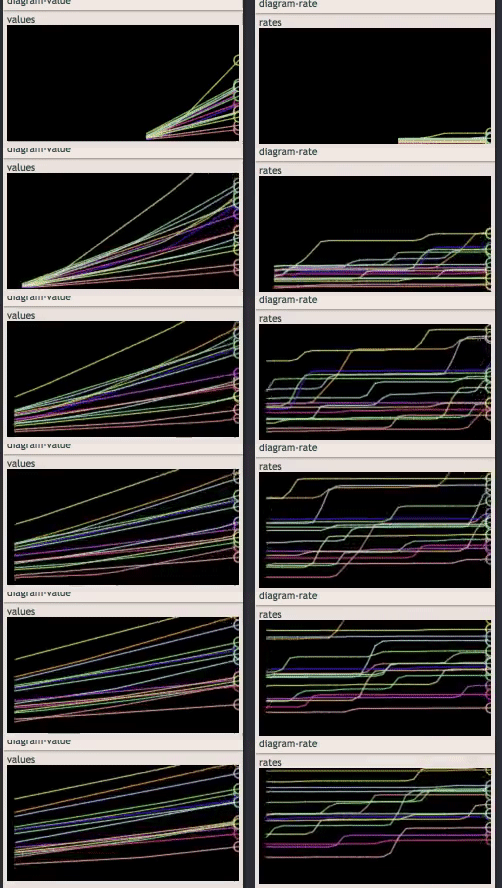
Building games that can be understood at a glance
Building games that can be understood at a glance - Zach Gage, GDC 2018
Building games that can be understood at a glance
Building games that can be understood at a glance - Zach Gage, GDC 2018
Specification gaming: the flip side of AI ingenuity
Specification gaming is a behaviour that satisfies the literal specification of an objective without achieving the intended outcome. We have all had experiences with specification gaming, even if not by this name. Readers may have heard the myth of King Midas and the golden touch, in which the king asks that anything he touches be turned to gold - but soon finds that even food and drink turn to metal in his hands. In the real world, when rewarded for doing well on a homework assignment, a student might copy another student to get the right answers, rather than learning the material - and thus exploit a loophole in the task specification.

GameSpot's SIMply Divine: The Story of Maxis Software
GameSpot action adventure driving puzzle role-playing simulation sports strategy hardware
4-Layers, A Narrative Design Approach
Introduction This blog post will be about a new way to approach narrative design in games - the 4 Layers Approach. It is based on a GDC ...

Game Theory | Open Yale Courses
This course is an introduction to game theory and strategic thinking. Ideas such as dominance, backward induction, Nash equilibrium, evolutionary stability, commitment, credibility, asymmetric information, adverse selection, and signaling are discussed and applied to games played in class and to examples drawn from economics, politics, the movies, and elsewhere.
Game design is simple, actually
So, let’s just walk through the whole thing, end to end. Here’s a twelve-step program for understanding game design. One: Fun There are a lot of things people call “fun.” But most of them are not u…
