Rapid development of electronic technology promotes the complex function of a product. Users have to adapt themselves to interface with diverse mental model setting. To improve usability, both resolutions of consistent interface and wizard interface were frequently applied to help novice. However, both of them require as much time for those who are familiar with the system, i.e. expert users. Shneiderman (2000) remarked that Universal Usability requires that software systems accommodate a diverse set of users. Multi-Layer interface might be a solution for complex user interface and satisfy both novice and expert users. The idea of multi-layer interface has been applied to hardware and software interface design. Cases were discussed in which the improved Multi-Layer Interface was analyzed and conclusions made.
Mental Models and User Experience Design
What users believe they know about a user interface impacts how they use it. Mismatched mental models are common, especially with designs that try something new.

Sikuli: using GUI screenshots for search and automation
Usability is one of the factors that determines the success of a software system. Aiming to improve it’s usability, it is necessary to evaluate the interfaces using scientific evaluation methods, like questionnaires. Often the results of these ...

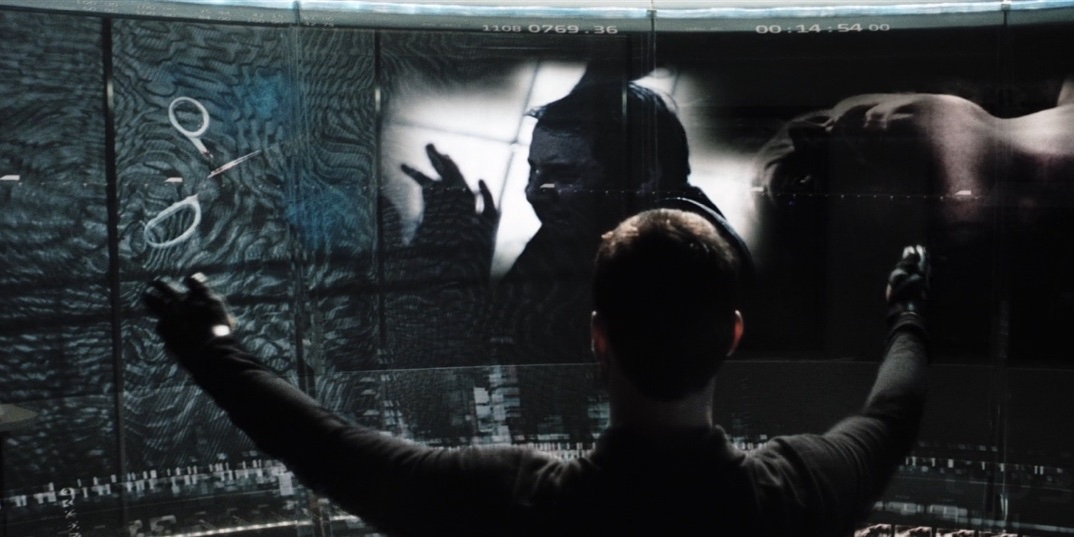
Our interfaces have lost their senses
We programmed them by punching cards, plugging in wires, and flipping switches. Programmers walked among banks of switches and cables, physically choreographing their logic. Being on a computer used to be a full-body experience.
Learning From Terminals to Design the Future of User Interfaces
How we overvalue the wrong technology and novel aspects of interface design at the expense of substantial gains to our productivity.
10 Usability Heuristics for User Interface Design
Jakob Nielsen's 10 general principles for interaction design. They are called "heuristics" because they are broad rules of thumb and not specific usability guidelines.
userinterface.wiki
A living manual for better interfaces. Learn design principles, motion, typography, and more.
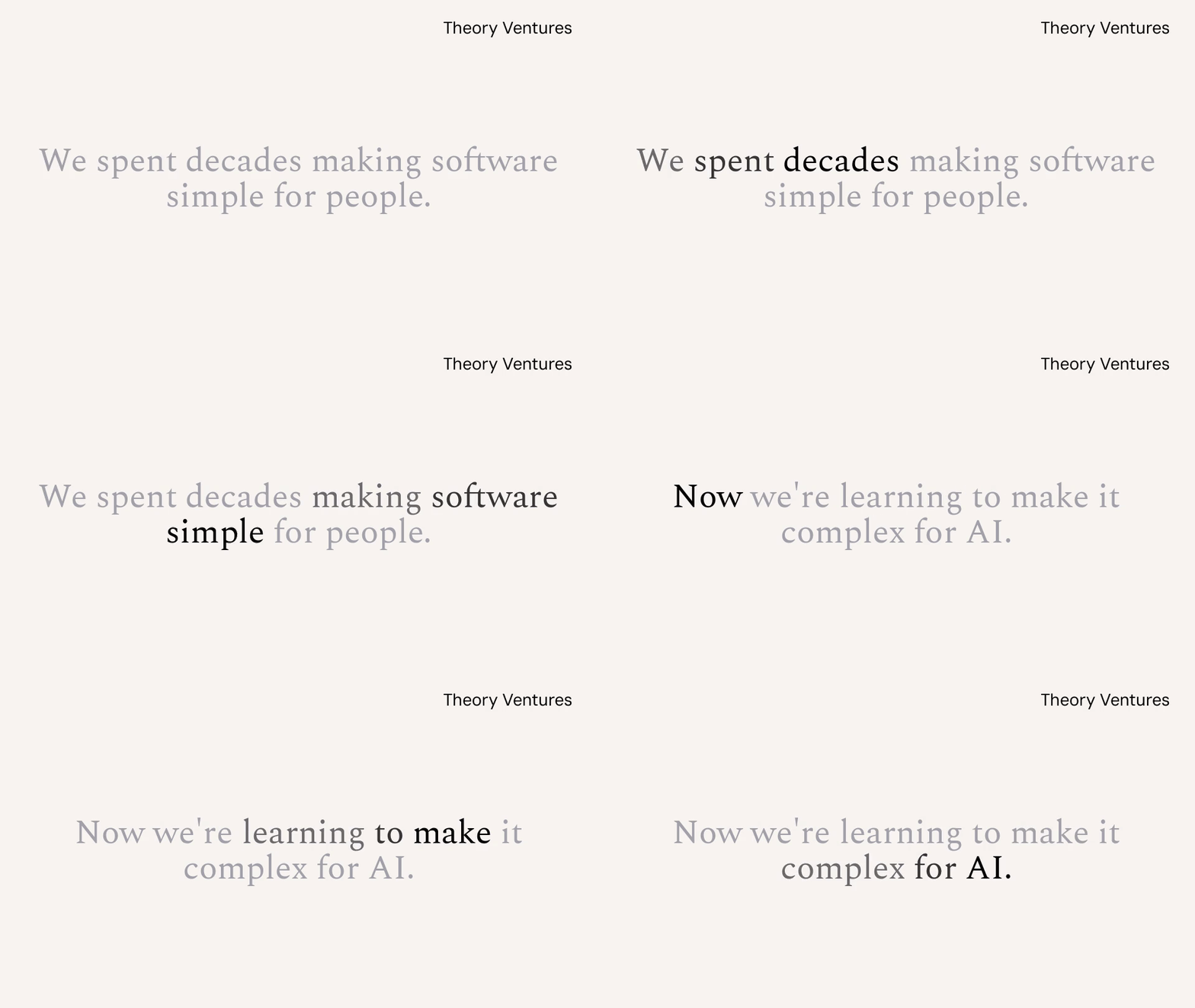
How AI Tools Differ from Human Tools
Why the mental models we've built for human interfaces don't work for AI, & how Anthropic's latest guidelines are reshaping tool design for better performance & efficiency.
The Interfaces With Which We Think
The concepts in modern operating systems — apps, windows, desktops, notifications, and so on — have so permeated our understanding of personal computing, it’s hard to imagine anything else, let alone believe there could be anything better.
Instrumental interaction: an interaction model for designing post-WIMP user interfaces
Although the power of personal computers has increased 1000-fold over the past 20 years, user interfaces remain essentially the same. Innovations in HCI research, particularly novel interaction techniques, are rarely incorporated into products. In this ...

German UPA | Berufsverband für User Experience Professionals
Der Berufsverband für UX-Professionals in Deutschland: Veranstaltungen, Konferenzen & Austausch zu User Experience und Usability
Stanford Seminar - Generative, Malleable, and Personal User Interfaces
Cognitive Load | Laws of UX
The amount of mental resources needed to understand and interact with an interface.

Are we stuck with the same Desktop UX forever? | Ubuntu Summit 25.10
Are we stuck with the same Desktop UX forever? | Ubuntu Summit 25.10
Are we stuck with the same Desktop UX forever? | Ubuntu Summit 25.10