

Why are so many interactions online terrible now?
RIP social media. What comes next is messy.
As social media splinters, how can we keep the new online spaces from devolving into toxic pits of despair?
Introducing a network for thoughtful conversations
The quality of conversations on the Internet is terrible. Most platforms like Twitter, Facebook, Instagram, Reddit, etc. optimize for engagement as their key metric. This spawns and rewards behavior that leads to bragging of gameable metrics such as likes and followers, self-feeding thought bubbles, knee-jerk reactions, “if you’re not on our side, you’re on their side” mentality, and thought policing even by people who think they’re fighting for a good cause. Today’s Internet doesn’t incentiviz
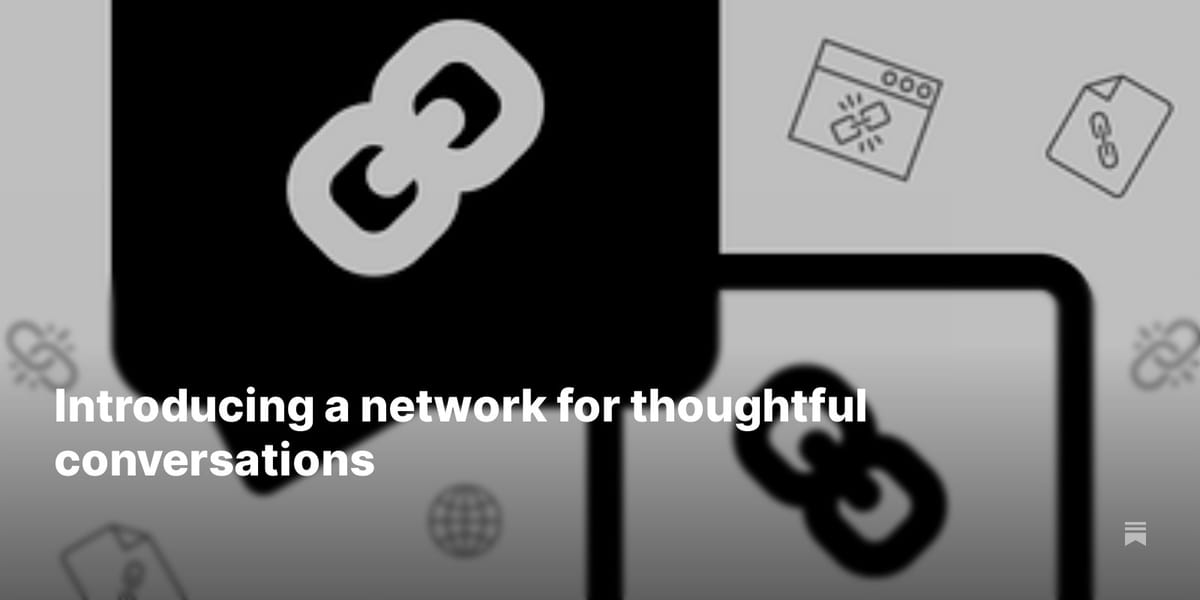
Lisa Nakamura: The internet is a trash fire. Here's how to fix it.
Life on the internet is real life, and we need to stop pretending that what happens online doesn't matter, says digital media researcher Lisa Nakamura. In this timely talk, she explains the steps we can take to correct the toxic behaviors that have become common online -- and help make the internet a place where we all feel safe.
Hard Questions: Is Spending Time on Social Media Bad for Us?
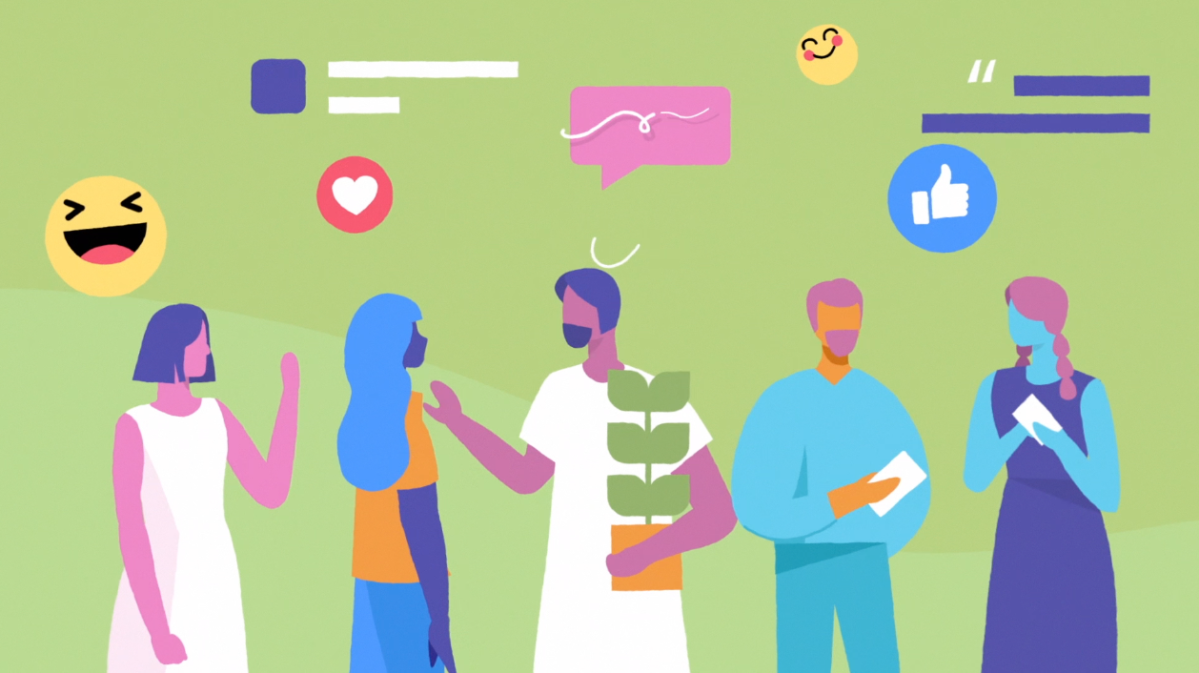
With people spending more time on social media, many rightly wonder whether that time is good for us. Do people connect in meaningful ways online? Or are they simply consuming trivial updates and polarizing memes at the expense of time with loved ones?
14 Theses on Online Political Violence
The old world of content safety practices is dead, and the new one is struggling to be born.
The Nightmare of Eternal Spring: Why Social Media Can't Survive on "Niceness" Alone - Nightflight
The Boring Internet
The internet you grew up on isn't dying. A commercial veneer glued on top of it is.
The Boring Internet
The internet you grew up on isn't dying. A commercial veneer glued on top of it is.
Social Media Is Now Parasocial Media
When practitioners used the term “social media” to describe the internet tools that emerged in the mid-aughts, they were giving a name to the kinds of platforms and protocols that allowed people to socialize with friends and communities of interest by using digital technologies. Twenty years later, users of social media are far more likely to scroll than post – and the content that they consume is often strategically produced and algorithmically curated. In this essay, I argue that the very essence of social media has changed. To more effectively interrogate what we are witnessing, we need to stop presuming that these tools are “social media” and begin recognizing that they are now “parasocial media.” Doing so raises new questions about digitally mediated sociality, not to mention the politics and governance of these platforms.

The year we wanted the internet to be smaller
Why tiny, weird online communities made a comeback in 2017

Death by a thousand likes: How Facebook and Twitter are killing the open web
Here’s one way to understand the symbiotic relationship between publications and platforms in the digital age. Publications depend on advertising dollars to keep producing content, so they need to hold readers’ attention. Big platforms like Facebook and Twitter already have plenty of attention, but they need vast quantities of content to fill up their newsfeeds. It seems natural, then, that publications have started relying on platforms to drive readership.

Shifts in U.S. Social Media Use, 2020–2024: Decline, Fragmentation, and Enduring Polarization
The social media ecosystem appears to be in flux. Twitter’s rebranding to X has come to symbolize a broader reorganization of online publics – political reshuffling, user attrition, and uncertainty over the role of legacy platforms. Simultaneously, the shift from text-based, networked feeds toward algorithmically curated, short-form video has accelerated, with TikTok setting the pace for the wider ecosystem [18, 14, 16]. At the same time, everyday communication increasingly migrates from large, open networks to semi-private spaces such as group chats and messaging apps. Commentators describe a digital public sphere in transition: smaller, more fragmented, less dominated by traditional social networking sites, and rise of more broadcast-oriented forms of media – with some even suggesting that we are seeing the beginning of the end of the social media era.
Anatomy of an internet argument
Social media isn't toxic, most people just haven't figured out the game (yet)
Reddit and the Struggle to Detoxify the Internet
From 2018: The trolls are winning. How do we fix life online without limiting free speech?
Impact of the COVID-19 pandemic on social media
Social media became an important platform for interaction during the COVID-19 pandemic, coinciding with the onset of social distancing. According to a study conducted by Facebook's analytics department, messaging rates rose by over 50% during this period. Individuals confined to their homes utilized social media not only to maintain social connections but also as a source of entertainment to alleviate boredom. Concerns arose regarding the overreliance on social media for primary social interactions, particularly given the constraints imposed by the pandemic.

I do think this is a kind of novel problem with our current media environment - Serious people aren't good at making content, they have other things to do, but content is what drives attention. Tastemakers used to highlight the serious people but they're gone, replaced by content creators.
