


The brief was simple: build a tech product for low-income American households. It wasn’t simple at all.
The low-tech guys
No-buzzwords driven development. We create those apps that you never thought you need but now you can't stop using them.
Tim Sweeney on Twitter / X
Finally, American developers will be free to compete with Apple’s App Store and payment systems here at home!A solid move to free the United States from the crony capitalist intentions of Big Tech and Big Law. https://t.co/7NXHiQxhEf— Tim Sweeney (@TimSweeneyEpic) April 1, 2025
Native Or Web? Bizness Apps Adds HTML5 Platform To Let SMBs Create Their Own Apps -- For Both | TechCrunch
Bizness Apps, the startup that gives small businesses the tools to quickly and easily build mobile apps, launched in October 2010 and has been growing like gangbusters, reaching over 1,000 applications, 10 languages, and over 20 countries in less than 9 months. It also recently partnered with WuFoo to give SMBS the ability to create and seamlessly add contact forms, online surveys, and invitations to their apps. The startup also has an interesting founding story that provides some useful lessons for your entrepreneurs. Check out our April coverage here. Bizness Apps's value proposition is simple: The startup wants to make mobile apps affordable, customizable, and simple to make for small business owners. Thus, the startup offers a DIY iPhone, iPad, and Android app platform that enables SMBs to create, edit, and manage mobile apps without any programming experience required. You start with a template, customize them to suit your business, and then Bizness Apps makes them native apps and distributes them on iTunes and the Android Marketplace.

The Web Is More Than Enough, by Paul Ford
Web browsers enable incredibly rich app development—and that’s radically easier than it used to be.

Why Simple Is Better Than Your Bank, Both Online And On Mobile Devices | TechCrunch
Most banks are notoriously bad at online, and especially mobile, experiences. Some don't have mobile apps at all, and those that do exist typically aren't that good. That's why the folks at Portland, Ore.-based startup Simple think they can make banking better, with new ways of keeping track of your money.

GREG ISENBERG on Twitter / X
Apple JUST quietly announced something that’s a lot BIGGER than it looks: "the Mini Apps Partner Program"Apple is admitting that the future of software is embedded, lightweight, vertical mini-apps distributed inside bigger appFor founders who want to make $$ building apps:… pic.twitter.com/jZz7dU6w07— GREG ISENBERG (@gregisenberg) November 14, 2025


Presentation: The End of the Beginning — Benedict Evans
Close to three quarters of all the adults on earth now have a smartphone, and most of the rest will get one in the next few years. However, the use of this connectivity is still only just beginning. Ecommerce is still only a small fraction of retail spending, and many other areas that will be transf
What Isn’t There an App For? (Published 2015)
A writer spent three weeks trying to improve his life through apps.

When we blame tech for everything, capitalism gets off the hook | SE Smith
Our smartphones and computers make us permanently contactable and ‘on-call’. But we should be angry at capitalist structures, not app developers

Ask Slashdot: Why Aren't Techies Improving The World? - Slashdot
Slashdot reader marmot7 isn't impressed by "the latest app that solves some made up problem. I'm impressed by apps that solve real problems..." I don't feel that developers, sys admins, finance people, even policy wonks focus on the problems that we need to solve to have a healthy functioning socie...

A letter to my younger self: big things start small
What I wish I had known when starting my career in consumer tech a decade ago…
What Happens When We Become A Cashless Society? - Fast Company
Imagine a future where everything is seamlessly paid for via your phone. It's a beautiful vision—with some dangerous unintended consequences.
Rescuing Restaurants: How to Protect Restaurants, Workers, and Communities from Predatory Delivery App Corporations - American Economic Liberties Project
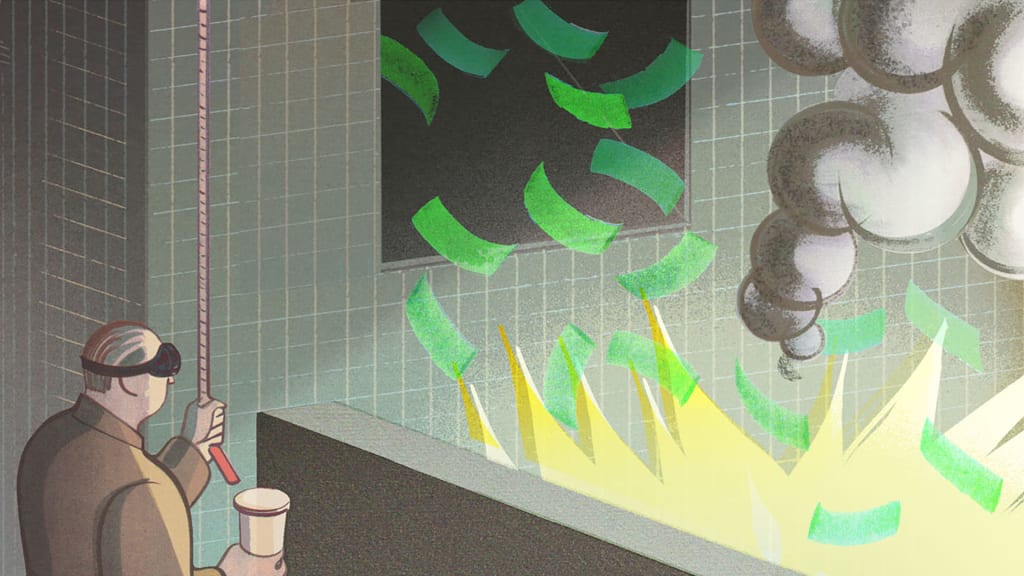
What the apps have done, instead of competing to serve customers and restaurants, is use Wall Street money to accumulate market power, raise barriers to entry, and then merge with each other and set up regional monopolies.The people who have invested tens of billions of dollars in the four dominant delivery apps tolerate huge short-term losses purely because they see the likelihood of monopoly power.
Google launches a new portal for small businesses | TechCrunch
To celebrate International Small Business Day, Google today launched a new website that will suggest its products that seem like the best fit for a

