

New research shows a simple reason why even the most intelligent, complex brains can be taken by a swindler's story – one that upon a second look offers clues it was false.
How reading rewires your brain for higher intelligence and empathy
Get lost in a good book. Time and again, reading has been shown to make us healthier, smarter, and more empathic.

The empathy paradox
There’s an image of empathy we all know that is beautiful: the fullness of completely understanding someone else, the symbolic walk in shoes that are not one’s own. The knowledge that someone else can share a pain so acute that would otherwise seem unbearably solitary. It’s an image inherent to empathy’s definition, an image many believe in wholeheartedly. Several studies conducted by Stanford researchers alone suggest people are motivated to feel empathy, that empathy is highly associated with social desirability, that it is as beneficial as it is admired.
AI Is the Black Mirror - Nautilus
Why the kinship between artificial intelligence and the human mind is terrifying.
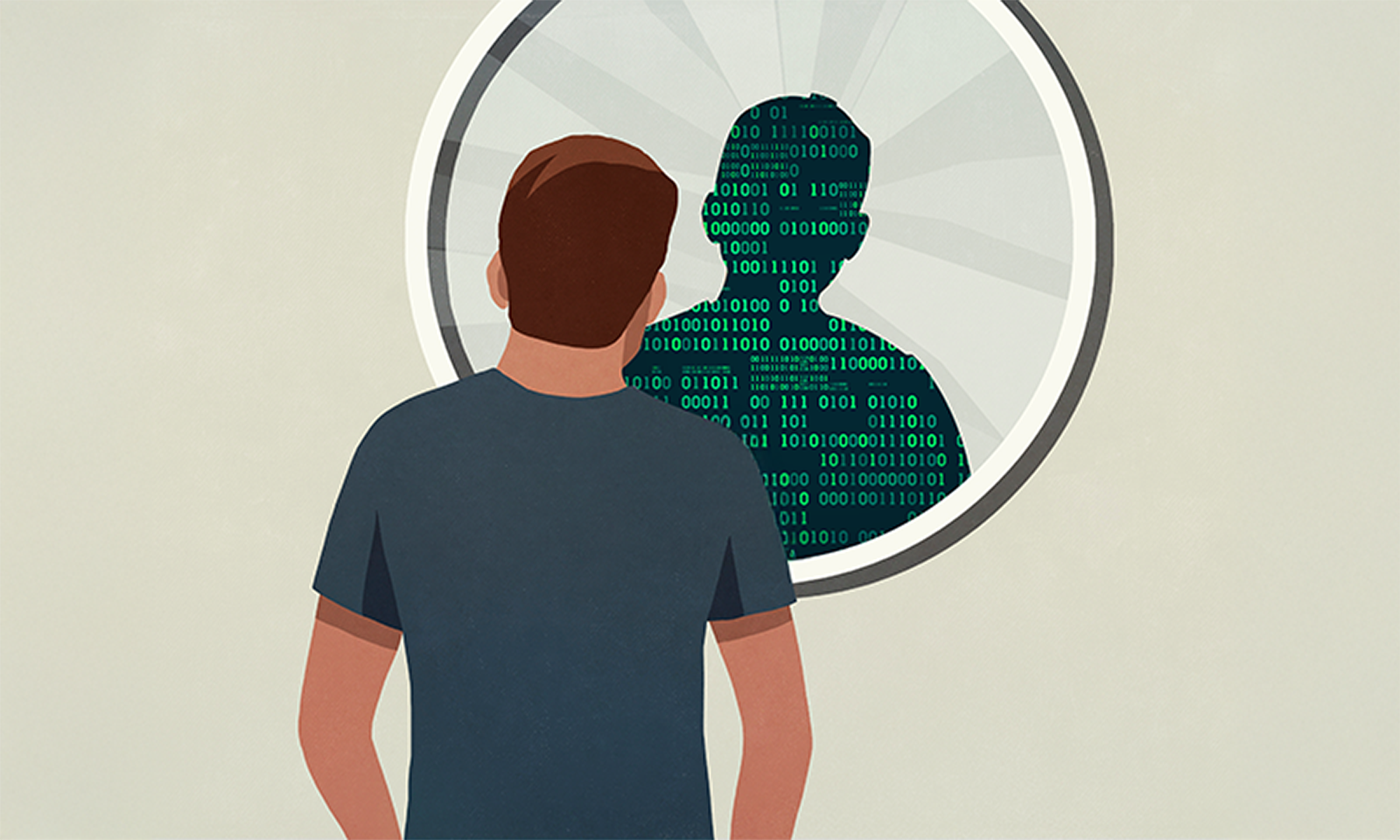
How Your Cheese-Powered Baby Trounces AI
An O.G. AI Researcher on How Being Social and Cultural Makes us Intelligent--and Whether Machines Can Ever Learn Empathy

Against Empathy
Most people see the benefits of empathy as too obvious to require justification.

Study: Sycophantic AI can undermine human judgment
Subjects who interacted with AI tools were more likely to think they were right, less likely to resolve conflicts.

Scientists find there is something universal about what occurs in the brain when it processes stories
New brain research by USC scientists shows that reading stories is a universal experience that may result in people feeling greater empathy for each other, regardless of cultural origins and differences.

Emotional Memory Cells Driving Empathy Discovered - Neuroscience News
Researchers have uncovered a brain mechanism in the prefrontal cortex that determines how animals respond to others’ emotions based on their own past experiences.

What the Studies Say About How AI Affects Your Brain: A (Very Big) Compilation
The entire literature clearly points to a single surprising finding
The Empathy Paradox
Understanding The Empathy Paradox can transform relationships by enabling you to appreciate differing perspectives and foster collaboration.

Empathy, Neurochemistry, and the Dramatic Arc: Paul Zak at the Future of StoryTelling 2012
Practicing with Language Models Cultivates Human Empathic Communication
Empathy is central to human connection, yet people often struggle to express it effectively. In blinded evaluations, large language models (LLMs) generate responses that are often judged more empathic than human-written ones. Yet when a response is attributed to AI, recipients feel less heard than when comparable responses are attributed to a human. We built a conversation platform in which participants are asked to offer empathic support to an LLM expressing realistic troubles and conducted a randomized experiment collecting 33,938 messages spanning 2,904 text-based conversations between 968 participants and their LLM conversational partners. We find participants report feeling empathy but systematically fail to express it, but an LLM coaching intervention offering personalized feedback on effective empathic communication significantly boosts it without homogenizing participants' responses. Moreover, we derive a data-driven taxonomy of idiomatic empathic expressions in naturalistic dialogues across personal and workplace trouble scenarios. These results advance the scientific understanding of how empathy is expressed and demonstrate a scalable, AI-based intervention for scaffolding and cultivating it.

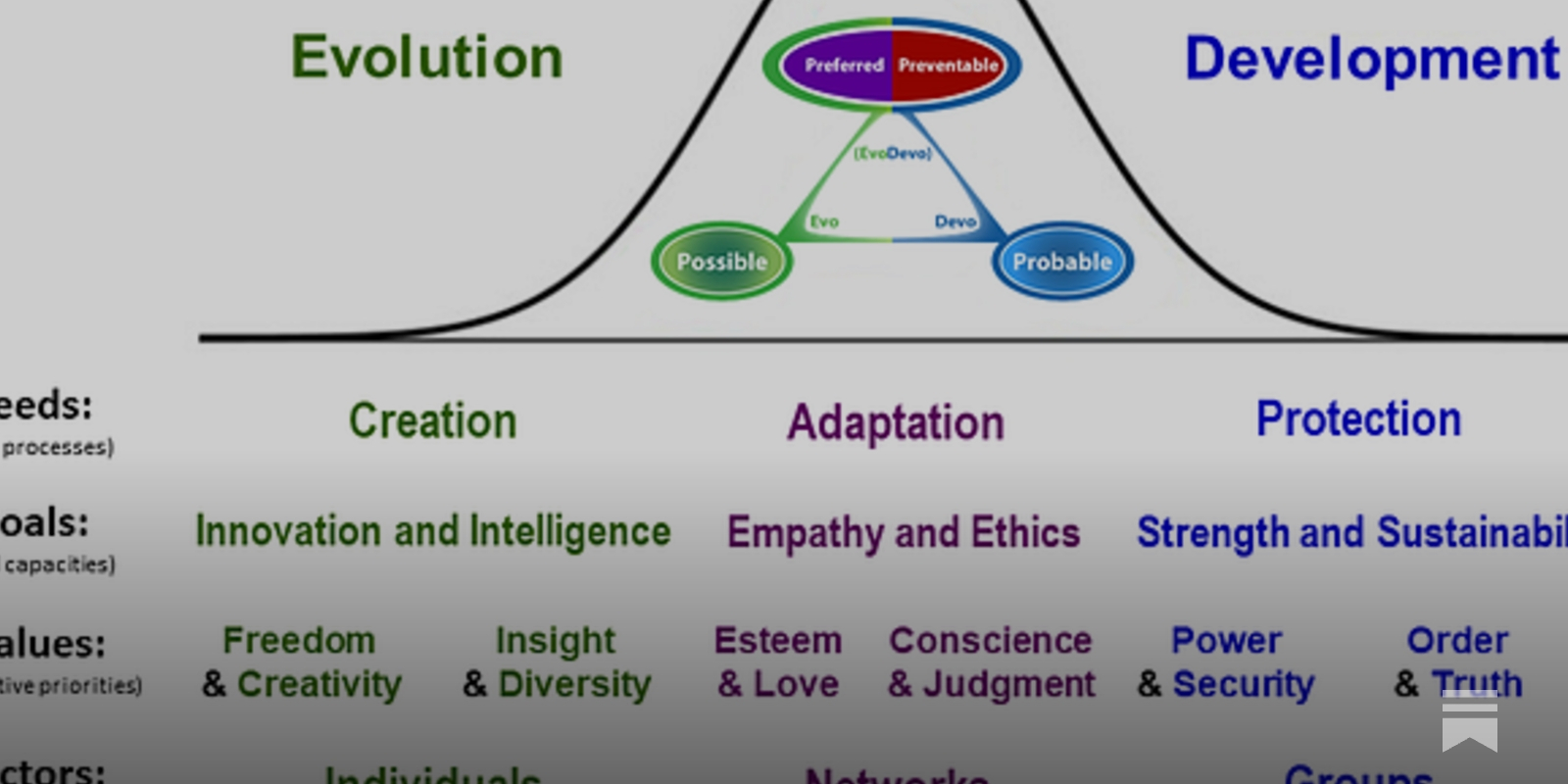
Natural Ethics: Empathic and Social Intelligence
Building Ethical and Empathic AIs, PAIs, and Human-AI Teams. - Part 3 of an Introductory Series on Neuro- and Bio-Inspired AI Strategy
Three reasons why AI is not conscious and perhaps never will be
Large language models can mimic thought and feeling with uncanny skill. But evidence from neuroscience suggests that intelligence alone is not enough for subjective experience.

Researchers debunk the IQ myth
After conducting the largest online intelligence study on record, a Western University-led research team has concluded that the notion of measuring one's intelligence quotient or IQ by a singular, standardized ...
Collective Intelligence Research

Explorations into the idea that a group of humans is "more intelligent" than the sum of their "IQ" (i.e. "groups of individuals doing things collectively that seem intelligent")
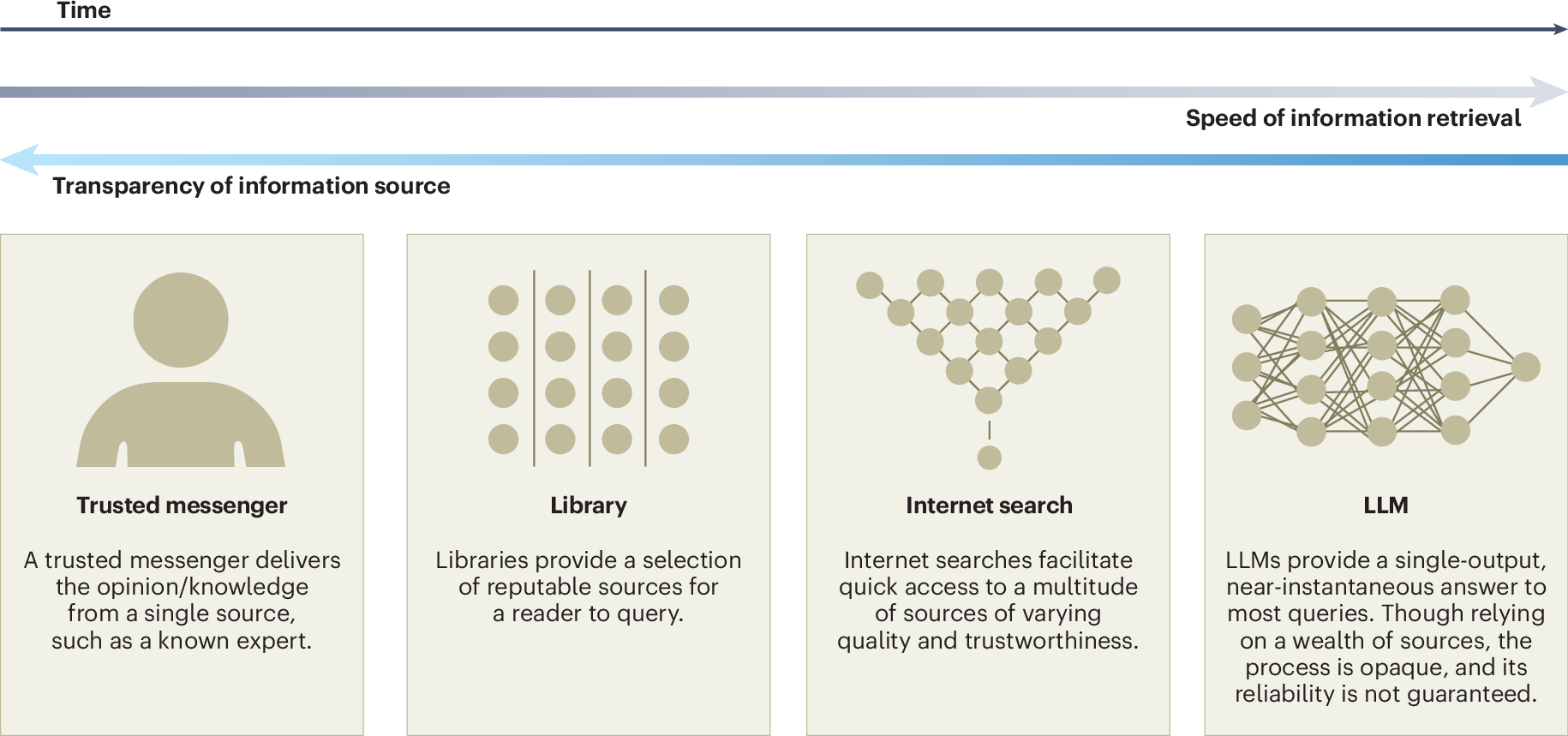
How large language models can reshape collective intelligence

Sharing Notes about Collective Intelligence — Pop Junctions
Socially Minded Intelligence: How Individuals, Groups, and Artificial Intelligence Can Make Each Other Smarter (or Not)

Profile: Adrien Treuille

NOVA | The Wisdom of the Crowds | Season 45 | Episode 6
Mapping Citizen Science through the Lens of Human-Centered AI