


How our brains fool us on climate, creationism, and the vaccine-autism link.
The current war on science, and who’s behind it
A vaccine developer and a climate scientist walk into a bar write a book.
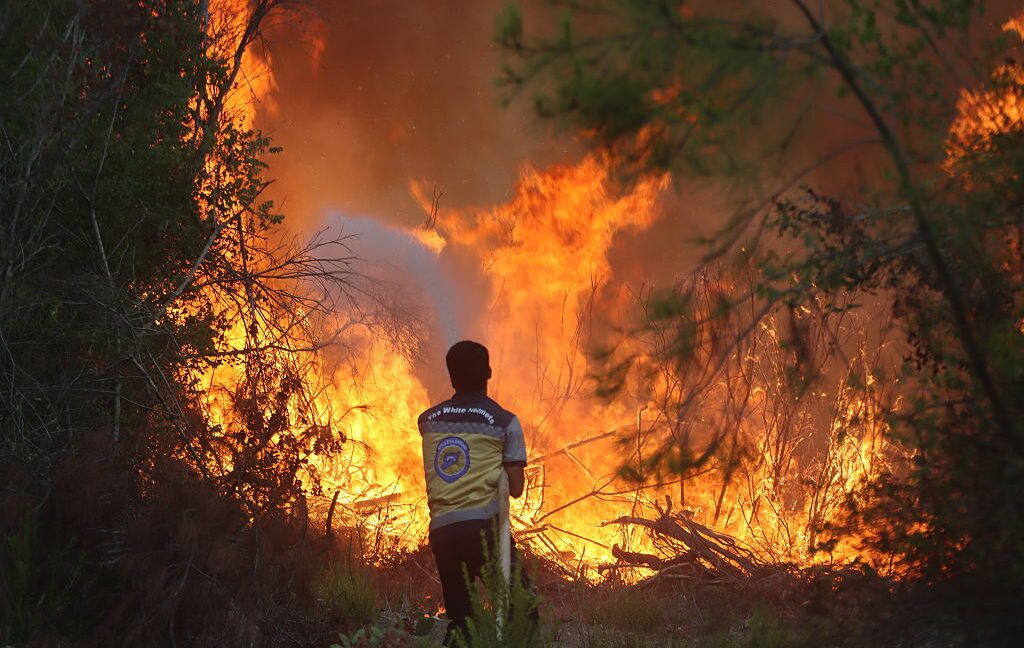
Humans need to become smarter thinkers to beat climate denial | Dana Nuccitelli
Dana Nuccitelli: A new paper shows that climate myths consistently fail critical thinking tests
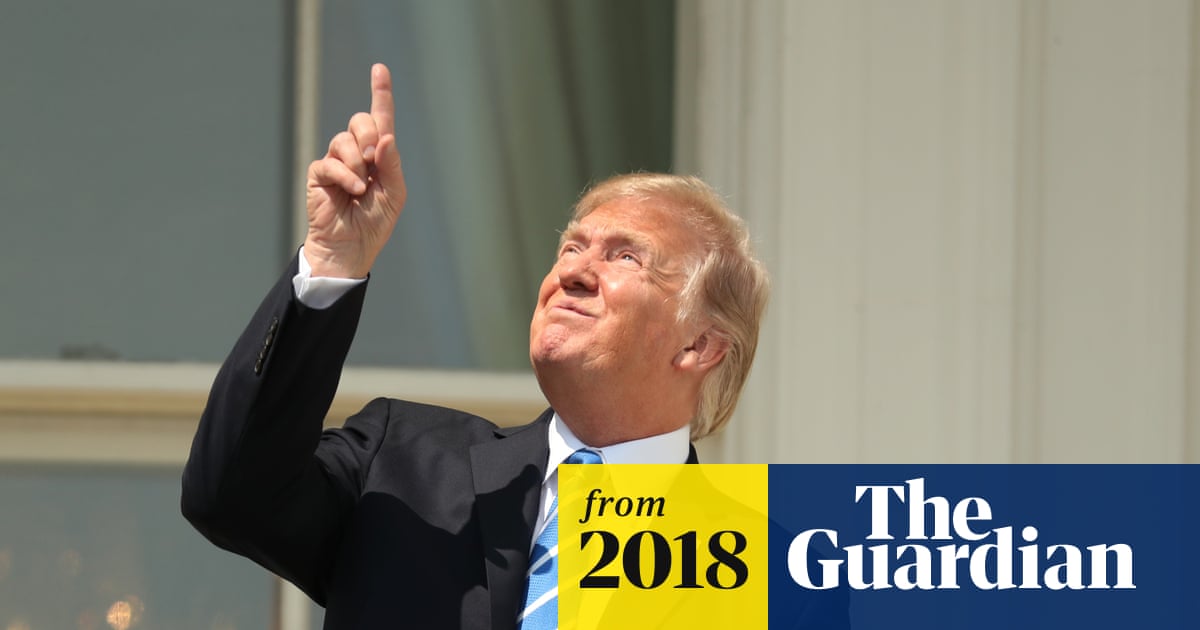
Science could enable a fascist future. Especially if we don’t learn from the past
We need to reckon honestly with science’s past and present to avoid a grim future
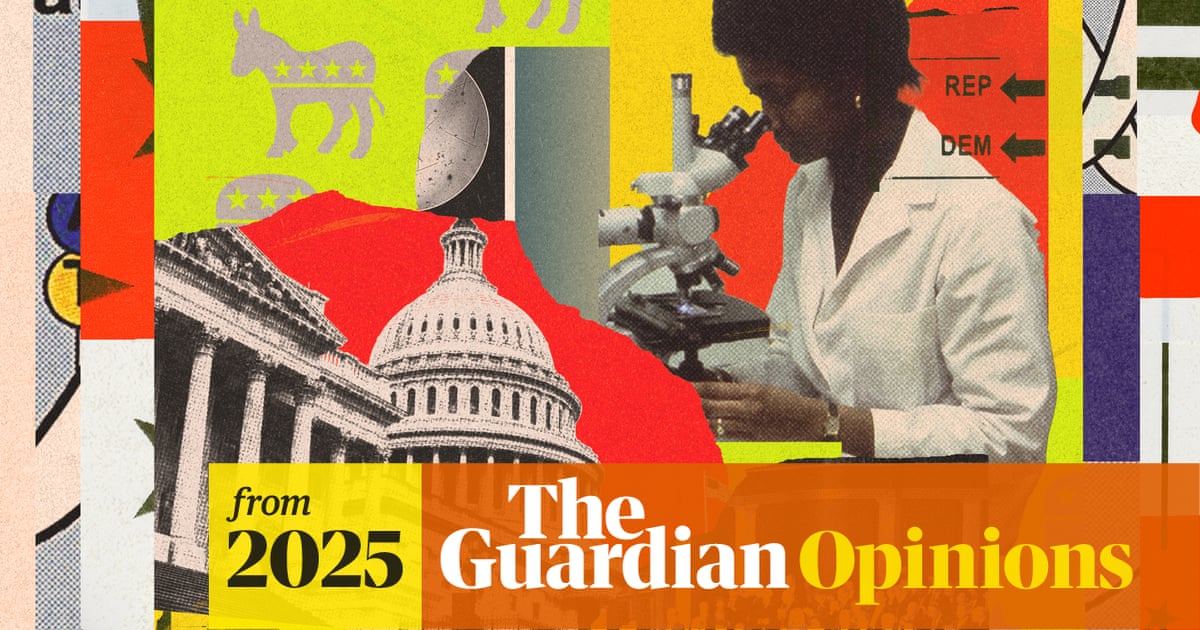
Why Science Can't Settle Political Disputes
Attempts to scientifically “rationalize” policy, based on the belief that science is purified of politics, may be damaging democracy
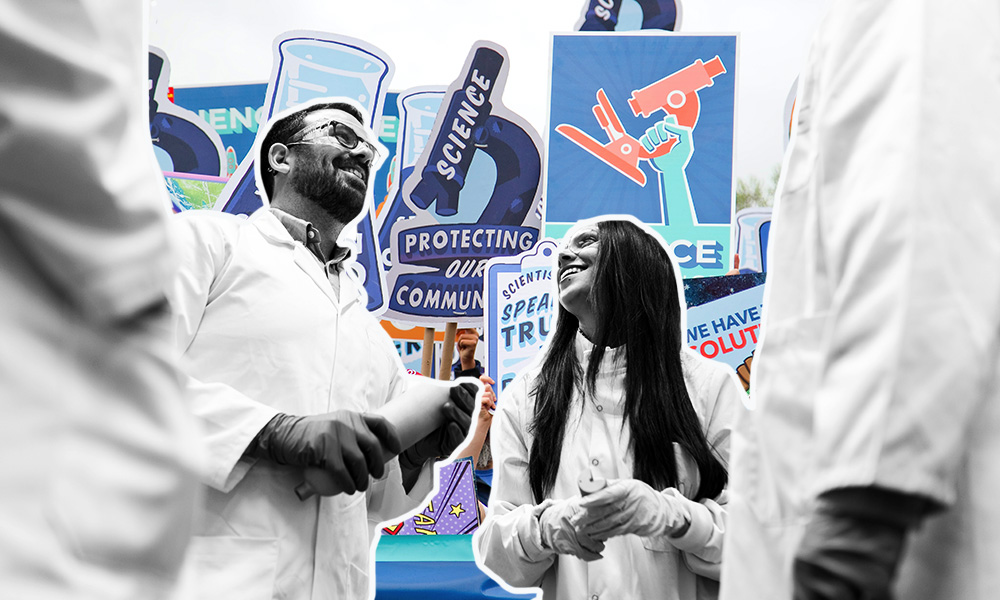
Sciences perceived as precise and consensual are more trusted
Research focused on the United States shows that people’s trust in science varies considerably between disciplines. Existing explanations of these trust gaps stress the role of ideology: when people perceive scientists of a particular discipline to be ideologically like-minded, they tend to trust them more. Here, we report two findings: first, trust gaps between disciplines also exist in France—a representative sample of the French population (N = 1012) trusted researchers in biology and physics more than researchers studying climate science, economics, or sociology. Second, the more precise and consensual participants perceive scientific findings to be, the more they tend to trust the scientists (across and within disciplines). While these findings are correlational, they align with a non-ideological explanation of trust in science: the rational impression account. This account proposes that people can come to trust scientists by relying on basic cognitive inference processes, which tend to be generally rational.

We ignore what doesn’t fit with our biases – even if it costs us | New Scientist
We tend to pay more attention to information that confirms our own beliefs and biases, and we are prepared to lose money to stick to our guns

America’s compact between science and politics is broken
How did we get here?
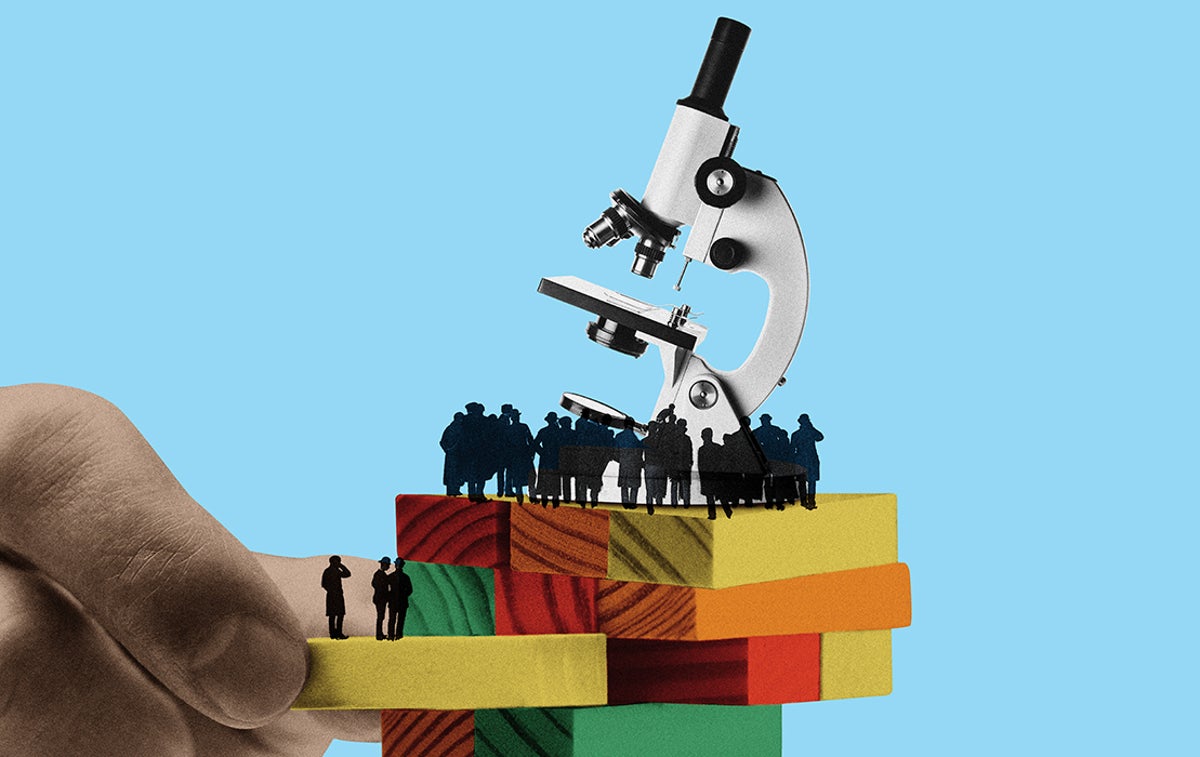
Have people stopped trusting science? The data tell a surprising story
Some say there’s a global crisis of trust — but research reveals where the real problems lie.
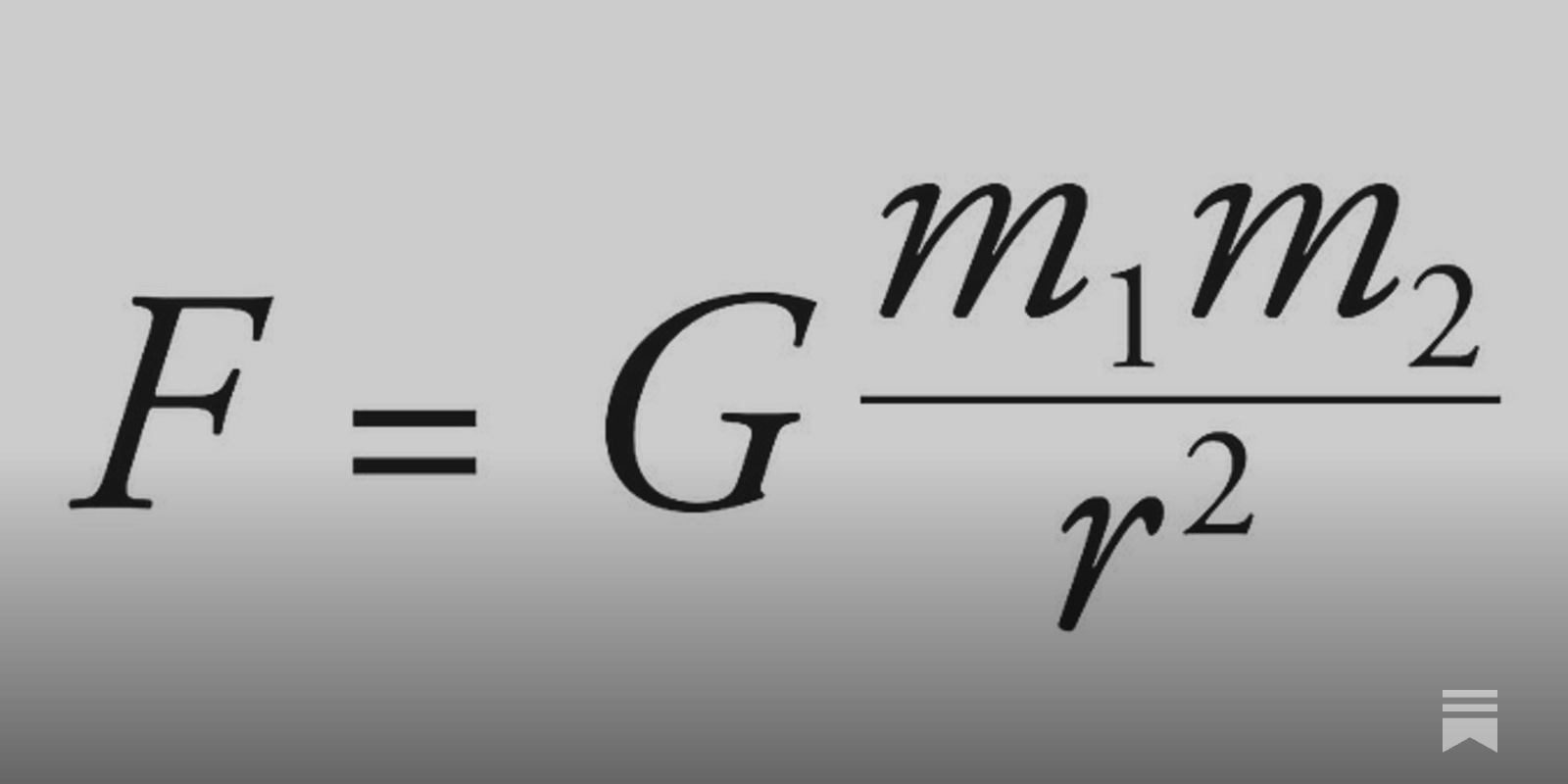
Newton's "Absurdity"
A look at the history of scientific progress through an often unused perspective: the people that actually lived it.
Understanding Without Defectiveness:
Why Autistic Self-Ignorance Is Interference, Not Failure
The one science reform we can all agree on, but we're too cowardly to do
OR: the long overdue forest fire
Dark-Moneyed Denialists Are Running 'Fixing Science' Symposium of Doubt
The “Fixing Science” symposium, which is hosted by the National Association of Scholars and kicks off today in Oakland, California, includes credible speakers who want to improve some areas of science hurt by the use of poor statistical methods or making irreproducible claims. Unfortunately, they are outnumbered by people who have often cast doubt on mainstream climate, environmental, and health sciences. For […]
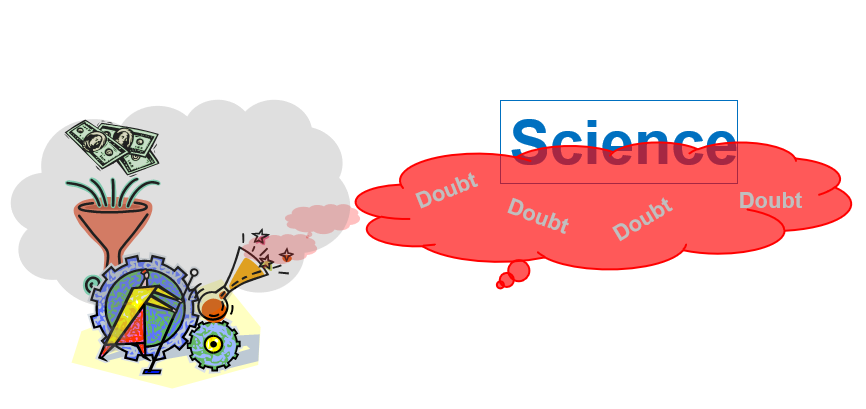
New Studies: How Commercial Forces Make Science Less Reliable
Computational social science has been distorted by commercial forces, and AI is making it worse.

Andreas De Block on Twitter / X
It took Nature three years to publish this rebuttal, which clearly demonstrates the fundamental flaws in the original paper. In the meantime, the paper's conclusions influenced scientific debate and policy decisions. Such delays in correcting flawed research do real damage. https://t.co/QI3Ei3PE70— Andreas De Block (@DeblockBlock) August 13, 2026