


College Student Creates Gel to Stop Bleeding Instantly
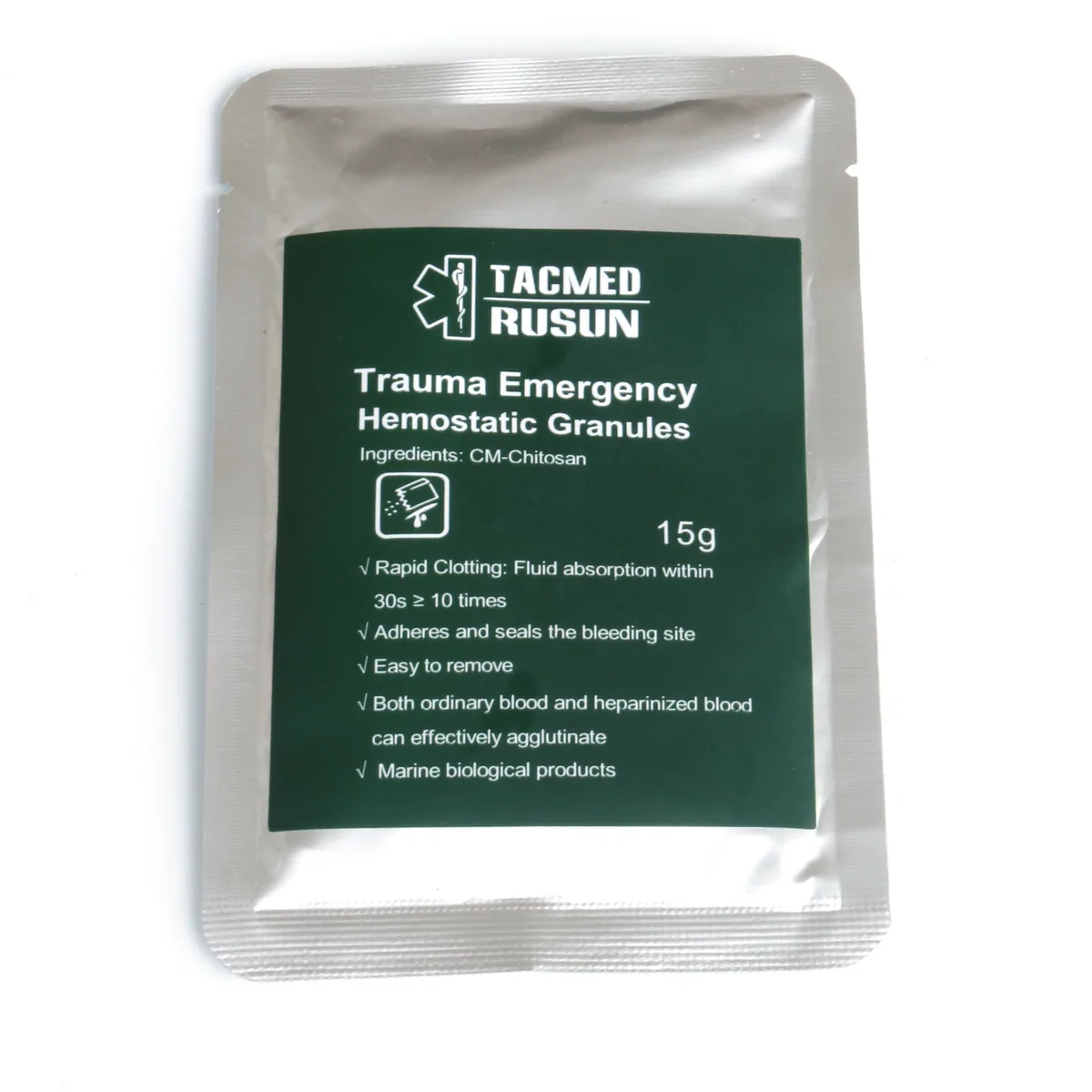
BioShield Chitosan Hemostatic Powder
High-purity chitosan microparticles swell on contact with blood and form a positively charged mucoadhesive gel layer that aggregates red blood cells and seals the bleeding surface. Because the action is independent of the coagulation cascade, it works reliably on anticoagulated and hypothermic casualties, and residual gel irrigates away cleanly with sterile saline at debridement.
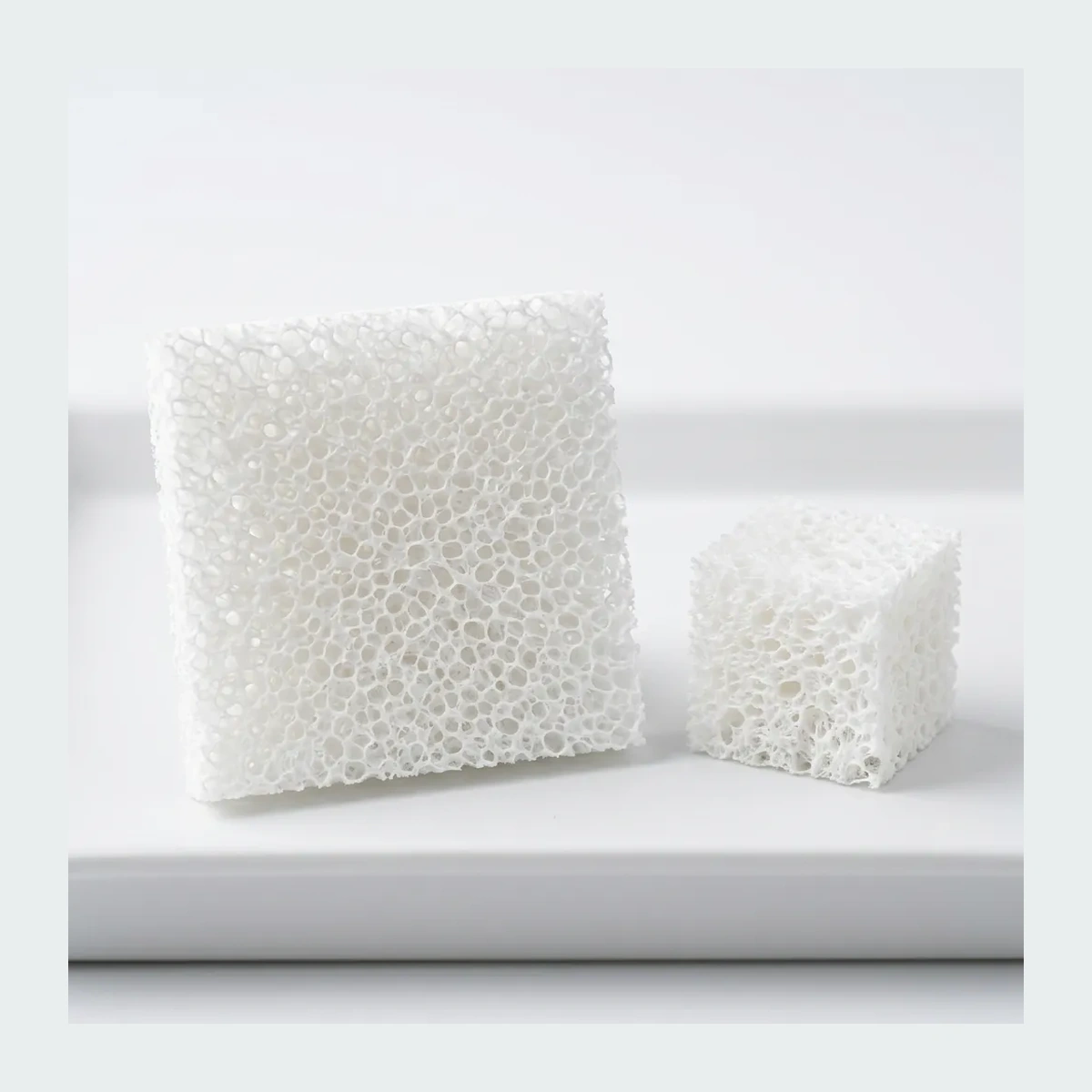
Absorbable Chitosan Hemostatic Sponge
A highly porous absorbable sponge that takes up more than 20 times its own weight in fluid. It gels and seals the wound bed, then degrades completely in the body over 8–12 weeks with no second procedure to remove it.
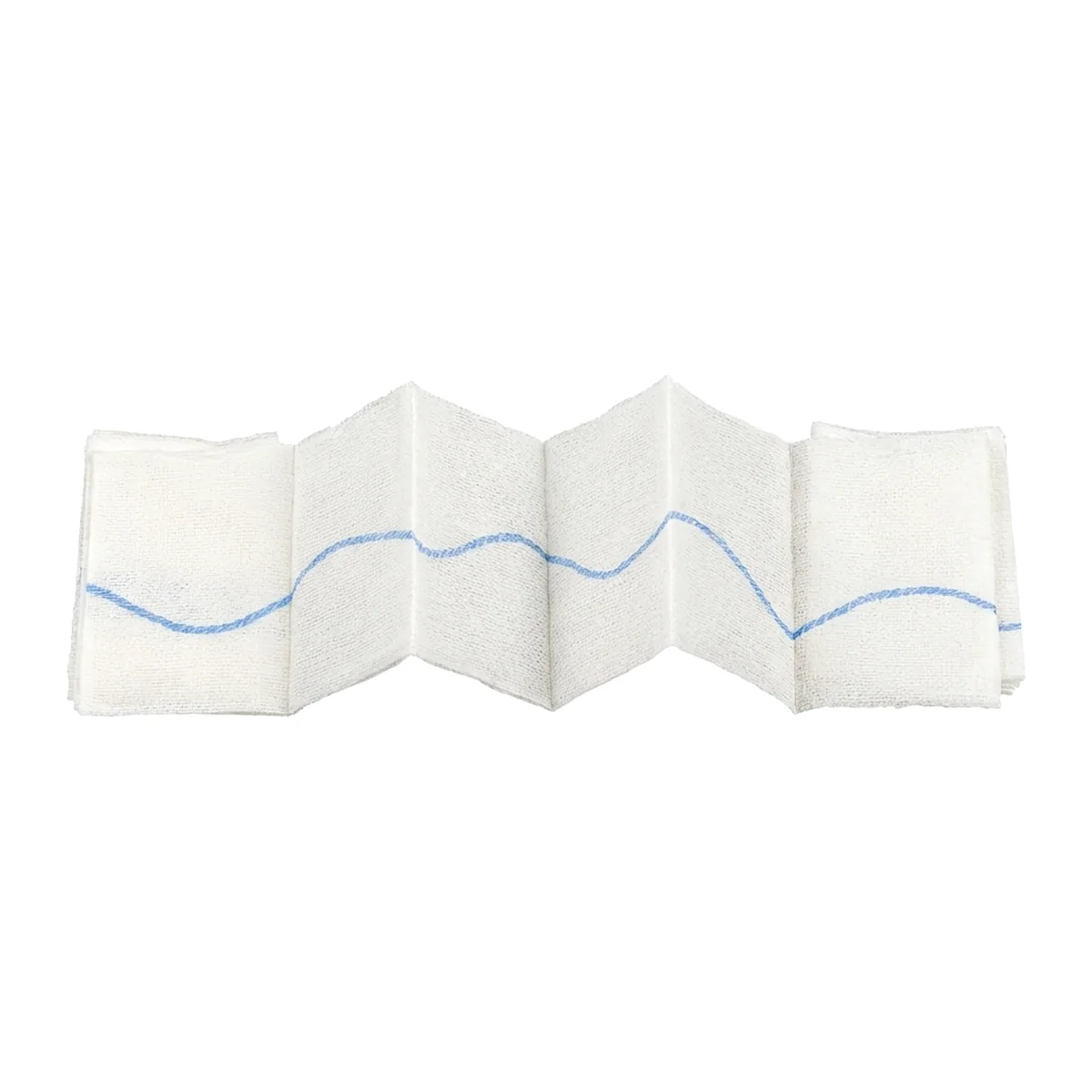
Kaolin Hemostatic Gauze
A Z-folded medical hemostatic gauze impregnated with purified kaolin (available in Standard Spunlace Mesh Non-Woven or Natural Bamboo Fiber PRO plain-weave substrates). Upon blood contact it activates Factor XII and Factor XI to trigger the intrinsic coagulation pathway, controlling deep-tract bleeding with ~3 minutes of direct pressure. Zero exothermic reaction, vacuum-compressed waterproof foil packaging for IFAKs and EMS kits, and optional Type II blue X-ray detectable thread.
Kaolin Hemostatic Pad
A non-woven pad with a kaolin active layer, designed for broad surface oozing from abrasions and lacerations. It needs almost no training: lay it on, apply simple pressure, and the bleeding is controlled.
Kaolin Hemostatic Pad
A non-woven pad with a kaolin active layer, designed for broad surface oozing from abrasions and lacerations. It needs almost no training: lay it on, apply simple pressure, and the bleeding is controlled.
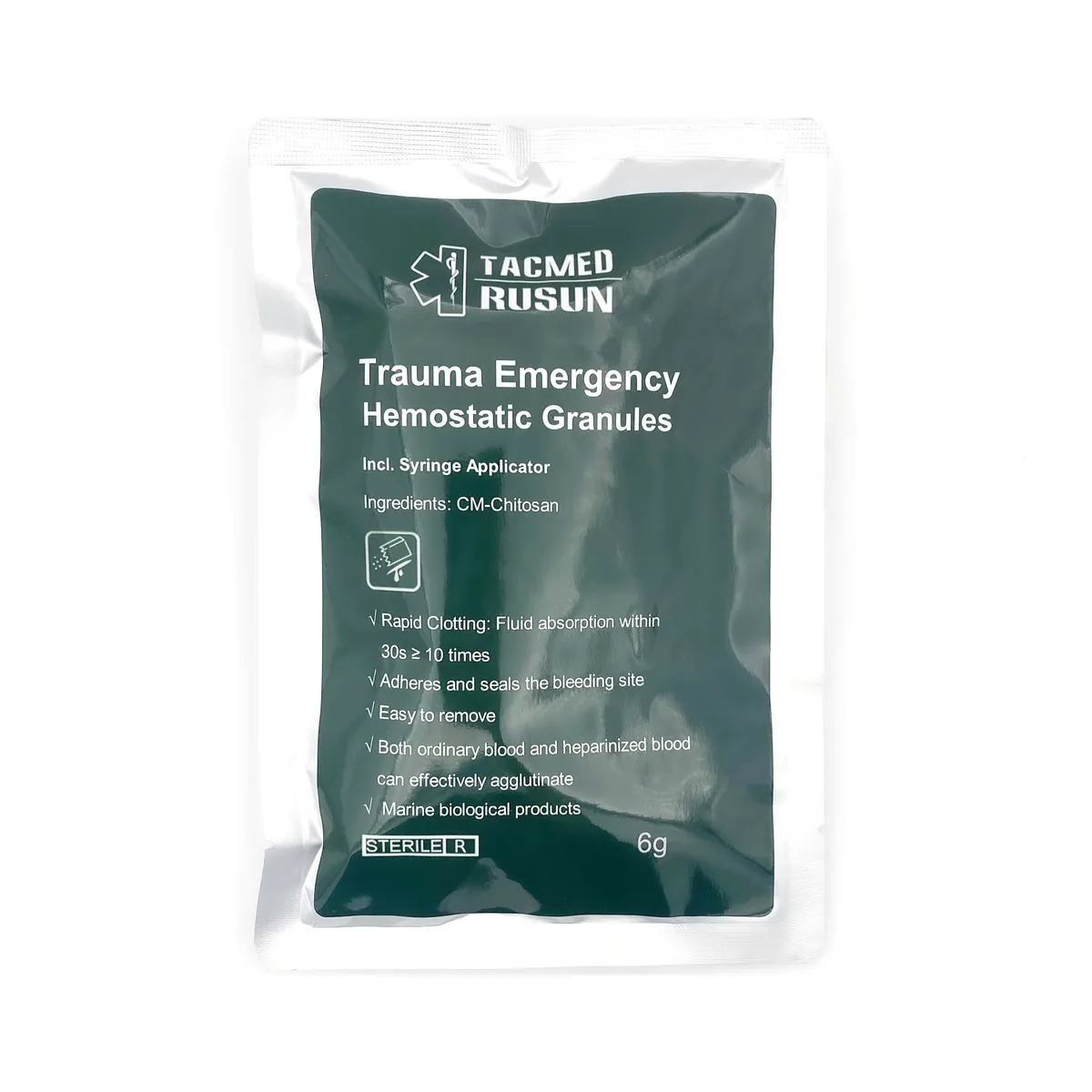
Chitosan Hemostatic Powder with Applicator
A 6 g pre-filled long-neck applicator that delivers chitosan powder to the base of a penetrating or blind-tract wound. It keeps the powder from sitting on the wound surface where blood flow washes it away — the decisive difference in deep bleeding.
Zeolite Hemostatic Dressing 25 g
A 25 g granule-type zeolite dressing — the smallest routine size in the domestic registration — for individual first-aid kits, vehicle stocks and clinic use. Nanopores draw water quickly to concentrate clotting factors and release calcium, with contact temperature rise below 7 °C. The material is identical to the 50 g and 100 g packs.

MIT's DuoSkin turns temporary tattoos into on-skin interfaces | TechCrunch
Your next tattoo could be functional as well as aesthetic. A new MIT Media Lab product called DuoSkin created in partnership with Microsoft Research turns

Why students are throwing tons of money at a program that won’t give them a college degree
There's a hidden dark side of one of the hottest trends in higher education.

Cease-fire at the leading edge: new perspectives on actin filament branching, debranching and cross-linking
Membrane protrusion at the leading edge of migrating cells is driven by the polymerization of actin. Recent studies using advanced imaging techniques raised a lively controversy about the morphology of these filaments; however, common ground between ...

Friday Facts #416 - Fluids 2.0 | Factorio
Hello, Grab your best lube, because it's time to talk about fluids!

BICO – educational program about hypothermia & cold injuries – Hypothermia & cold injury online learning resources for first responders
In this course you will find a range of educational video modules on a variety of treatment topics, self-assessment exercises at the end of each to verify your knowledge of the material taught and interactive video scenarios that put you into a search and allow you to test your newly acquired knowledge in simulated real life situations. Your teacher is Dr. Gordon Giesbrecht (aka Professor Popsicle), a world-renowned expert on ‘freezing to death’ and Professor Emeritus of Thermophysiology at the University of Manitoba.
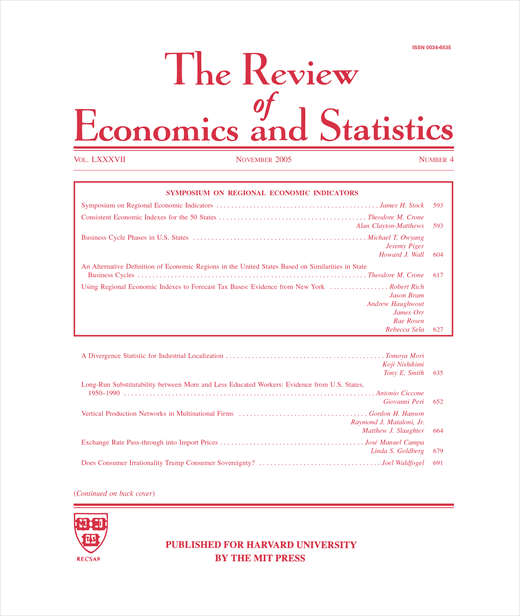
Can Self-Control Explain Avoiding Free Money? Evidence from Interest-Free Student Loans
Abstract This paper uses insights from behavioral economics to explain a particularly surprising borrowing phenomenon: one in six undergraduate students offered interest-free loans turns them down. Models of impulse control predict that students may optimally reject subsidized loans to avoid excessive consumption during school. Using the National Postsecondary Student Aid Study, we investigate students' take-up decisions and identify a group of students for whom the loans create an especially tempting liquidity increase. Students who would receive the loan in cash are significantly more likely to turn it down, suggesting that consumers choose to limit their liquidity in economically meaningful situations.
A Brief Note Regarding the Public Musings of College Students
For the love of God, stop paying attention.

Thread by @AustenAllred: "This is a tweetstorm about things that have surprised me having started a school, coming from a non-educational background 1. Students’ brai […]"
Thread by @AustenAllred: "This is a tweetstorm about things that have surprised me having started a school, coming from a non-educational bacents’ brains are broken by our existing system. We’ve been reworked purely for extrinsic reward and forgotten […]"

We may finally know what causes Alzheimer’s – and how to stop it | New Scientist
Evidence is growing that a bacteria involved in gum disease causes Alzheimer's, raising hopes over new kinds of treatments that are currently undergoing testing
